2 citations
,
May 2011 in “Journal of Clinical Oncology” Further testing of paclitaxel poliglumex for this cancer treatment is not justified.
5 citations
,
March 2020 in “Thoracic Cancer” CT-707 is effective and safe for treating certain Chinese lung cancer patients.
 78 citations
,
March 2004 in “Annals of Oncology”
78 citations
,
March 2004 in “Annals of Oncology” The treatment combining docetaxel, cisplatin, and 5-FU is feasible and effective for advanced head and neck cancer.
33 citations
,
May 2017 in “Journal of Clinical Oncology” ETC-159 was safe up to 30 mg, but no tumor shrinkage was seen.
 January 1994 in “European Journal of Cancer”
 The European School of Oncology organized various educational events in 1994, highlighting important cancer research findings.
 14 citations
,
January 2001 in “Current Treatment Options in Oncology”
14 citations
,
January 2001 in “Current Treatment Options in Oncology” Treat limited stage small cell lung cancer with chemotherapy and radiation, and consider preventive brain radiation for better survival chances.
 5 citations
,
January 2024 in “Journal of Cancer”
5 citations
,
January 2024 in “Journal of Cancer” The treatment combination is effective and generally safe for lung cancer.
 January 2025 in “Recent Patents on Anti-Cancer Drug Discovery”
 The treatment showed high response rates and was well-tolerated, potentially extending patient survival.
September 2002 in “Oncology Times” Promising cancer treatments were found, but the manufacturer closed.
September 2023 in “Journal of the American Academy of Dermatology” 4 citations
,
September 2025 in “Journal of the American Academy of Dermatology”  April 2007 in “Nature Clinical Practice Urology”
 TICE salvage chemotherapy is effective for treating germ-cell tumors with poor prognosis.
2 citations
,
September 2024 in “Journal of the American Academy of Dermatology”  March 2018 in “International journal of basic and clinical pharmacology”
 Carboplatin-paclitaxel is preferred for advanced lung cancer due to its balance of affordability and patient well-being.
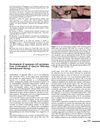
January 2012 in “Journal of Clinical Medicine in Practice” The treatment is safe and effective for elderly patients with advanced non-small-cell lung cancer.
 3 citations
,
May 2018 in “European Journal of Dermatology”
3 citations
,
May 2018 in “European Journal of Dermatology” Photodynamic therapy may not work for erythroplasia of Queyrat and could lead to invasive squamous cell carcinoma.
March 2009 in “European Urology Supplements” 147 citations
,
October 2021 in “Cancer Communications” RC48 shows promise for treating certain advanced cancers, but more research is needed.
July 2024 in “Journal of Investigative Dermatology” A new test helps find drugs to treat head and neck cancer by targeting c-Rel.
 106 citations
,
March 2013 in “Nature Communications”
106 citations
,
March 2013 in “Nature Communications” A new genetic region, 17q21.31, is linked to higher ovarian cancer risk.
July 2024 in “Reactions Weekly” May 2015 in “Cancer research” After chemotherapy for early breast cancer, 33.4% of patients had long-term significant hair loss, with some hair regrowth over time, but treatments for hair loss were largely ineffective.
March 2005 in “European Urology Supplements”  29 citations
,
August 2007 in “Annals of Oncology”
29 citations
,
August 2007 in “Annals of Oncology” Docetaxel and oxaliplatin are effective and have manageable side effects for recurrent platinum-sensitive ovarian cancer.
 3 citations
,
February 2005 in “Lung Cancer”
3 citations
,
February 2005 in “Lung Cancer” The new chemotherapy combination for advanced lung cancer showed a 35.7% response rate but caused significant side effects.
January 2023 in “Figshare” Quality of life, overall survival, and progression-free survival should be equally prioritized in advanced breast cancer treatment decisions.
December 2010 in “Cancer Prevention Research” Presurgical models can effectively and affordably screen cancer prevention agents.
January 2023 in “Figshare” Patients with advanced breast cancer prioritize quality of life, overall survival, and progression-free survival in treatment decisions.
22 citations
,
May 2011 in “European Journal of Cancer” The drug combination was safe and showed promise in treating advanced tumors.
3 citations
,
February 2019 in “Molecular genetics and metabolism” The combination of tadalafil and finasteride improves urinary symptoms and erectile function in men with enlarged prostates.