4 citations
,
April 1955 in “Archives of Dermatology” Hydrocortisone ointment effectively improved eyebrow skin and hair in a 10-year-old.
 May 2026 in “Ukrainian journal of veterinary sciences”
 Effective diagnosis and treatment of parasitic dermatitis in dogs require systematic approaches using specific drugs and preventive measures.
3 citations
,
June 2024 in “Allergy”  2 citations
,
November 1990 in “International Journal of Dermatology”
2 citations
,
November 1990 in “International Journal of Dermatology” Albendazole can cause hair loss, and piroxicam can cause fixed drug eruption.
 28 citations
,
February 2012 in “PLoS ONE”
28 citations
,
February 2012 in “PLoS ONE” A PKP1 gene mutation causes skin fragility and hair loss in Chesapeake Bay retriever puppies.
July 2024 in “Journal of Investigative Dermatology”  December 2023 in “Asian journal of medical sciences”
 Psoriasis is the most common cause of erythroderma, and proper medical follow-up is crucial.
3 citations
,
March 2019 in “European Journal of Dermatology” A specific gene mutation (Y449H in K10) was found in a patient with severe skin disorder.
 January 1982 in “Journal of The American Academy of Dermatology”
 Experts discussed treatments for skin conditions in children, emphasizing hydration, cautious medication use, and early intervention for infections.
April 2025 in “Suez Canal University Medical Journal” Valproic acid can rarely cause fluid buildup around the lungs and heart.
 January 2023 in “Surgical & Cosmetic Dermatology”
 The patient quickly recovered from hair loss caused by DRESS syndrome using topical minoxidil.
July 2004 in “Transplantation” Iron deficiency is common in kidney transplant patients, and while iron treatment helps, it can cause high red blood cell levels.
116 citations
,
December 2003 in “Acta Dermato Venereologica” Iressa often causes skin issues like acne and dryness in lung cancer patients.
July 2025 in “Dermatology Reports” Dermatologists should recognize diverse discoid lupus signs to avoid misdiagnosis.
 21 citations
,
November 1981 in “Archives of Dermatology”
21 citations
,
November 1981 in “Archives of Dermatology” Ashy dermatosis may be linked to atopy and thyroid disease and can be treated with topical steroids.
6 citations
,
April 2012 in “PubMed” Enteral supplements can improve symptoms of Cronkhite-Canada syndrome.
June 2026 in “Annals of Clinical Pathology” Methylene blue, combined with ceramides, may reduce skin and hair side effects from GLP-1 therapy.
245 citations
,
January 2010 in “Blood” Antihepcidin antibodies may treat inflammation-induced anemia by improving iron metabolism.
July 2022 in “European Journal of Dermatology” Brodalumab is more effective than ustekinumab in treating psoriasis.
9 citations
,
September 1989 in “PubMed” Sudanese children with severe malnutrition have low selenium levels, which may affect their recovery.

Early diagnosis and lifelong zinc supplementation are crucial for treating acrodermatitis enteropathica effectively.
 71 citations
,
May 2007 in “The FASEB journal”
71 citations
,
May 2007 in “The FASEB journal” Human hair follicles produce and respond to erythropoietin, helping protect against stress.
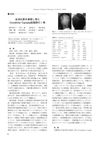 January 2014 in “Progress of Digestive Endoscopy”
 Prednisolone improved symptoms in a woman with Cronkhite-Canada syndrome, but regular screenings are needed due to cancer risk.
June 2018 in “International Journal of Dermatology”  1 citations
,
April 2006 in “International Journal of Oncology”
1 citations
,
April 2006 in “International Journal of Oncology” Lysocellin helps stop cell damage from etoposide and may prevent hair loss.
Ongoing monitoring and treatment are crucial to manage sarcoptic mange in reintroduced red foxes.
 9 citations
,
July 2017 in “Journal of medical case reports”
9 citations
,
July 2017 in “Journal of medical case reports” Ruxolitinib treatment may cause eyelash growth.
 June 2023 in “British Journal of Dermatology”
 The protein called small nuclear ribonucleoprotein polypeptide E is identified as a cause of a type of hair loss without other symptoms.
October 2025 in “Figshare” Deuruxolitinib improves hair regrowth in alopecia areata but needs more safety research.
 April 2016 in “Journal of The American Academy of Dermatology”
 People with certain allergic conditions or higher white blood cell counts have more severe hair loss, and treating hair and nail side effects early in melanoma therapy can improve quality of life.