 5 citations
,
October 2024 in “International Journal of Molecular Sciences”
5 citations
,
October 2024 in “International Journal of Molecular Sciences” Piperonylic acid may help hair growth and treat hair loss.
Delta-opioid receptors affect skin cell circadian rhythms, possibly impacting wound healing and cancer.
7 citations
,
January 2025 in “Journal of Experimental & Clinical Cancer Research” PRMT5 inhibitors effectively fight adenoid cystic carcinoma in salivary glands.
 2 citations
,
April 2012 in “Science-business Exchange”
2 citations
,
April 2012 in “Science-business Exchange” Blocking a protein called prostaglandin D2 might help treat hair loss.
 100 citations
,
May 2003 in “Journal of Neuroscience”
100 citations
,
May 2003 in “Journal of Neuroscience” Neuroactive steroids affect cocaine's rewarding effects through the ς1 receptor.
 July 2026 in “International Journal of Molecular Sciences”
 TSG-enriched Polygonum multiflorum extract may effectively treat hair loss by blocking 5α-reductase and activating hair growth pathways.
October 2025 in “Frontiers in Toxicology” A new method effectively predicts estrogen-related health effects for early screening.
 April 2018 in “The journal of investigative dermatology/Journal of investigative dermatology”
 17β-estradiol may help hair growth by increasing cannabinoid receptor type 1.
January 2008 in “Journal of Medicinal Chemistry” Finasteride may cause sexual and psychological side effects by affecting an enzyme related to epinephrine.
 1 citations
,
January 2019 in “Skin Pharmacology and Physiology”
1 citations
,
January 2019 in “Skin Pharmacology and Physiology” Eplerenone, a mineralocorticoid receptor antagonist, was found to promote hair growth in human hair follicles.
November 2025 in “OPAL (Open@LaTrobe) (La Trobe University)” Tectona grandis leaves may help treat hair loss and inflammation.
Polygonum multiflorum, especially emodin, may help treat hair loss by targeting specific proteins, offering a new approach beyond traditional therapies.
January 2006 in “Benzina: Revista d'excepcions culturals” Trienones are more effective at inhibiting the enzyme linked to hair loss than dienones.
 47 citations
,
November 1982 in “Journal of Cardiovascular Pharmacology”
47 citations
,
November 1982 in “Journal of Cardiovascular Pharmacology” Nitrendipine and nifedipine effectively block muscle contractions, while papaverine relaxes them and minoxidil needs high amounts to work.
 2 citations
,
July 2005 in “International Joint Conference on Artificial Intelligence”
2 citations
,
July 2005 in “International Joint Conference on Artificial Intelligence” EREG therapy may help treat hair loss by promoting hair growth.
 November 2006 in “Reactions Weekly”
 A woman's hair grew back after she stopped taking the Parkinson's disease medication pramipexole.
 5 citations
,
September 2011 in “Bioorganic & Medicinal Chemistry Letters”
5 citations
,
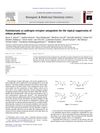
September 2011 in “Bioorganic & Medicinal Chemistry Letters” Pfizer found that pantolactam-based compounds can reduce sebum (skin oil) production when applied topically.
Dexmedetomidine-loaded microneedles effectively reduce pain without sedation.
4 citations
,
January 2023 in “Journal of Clinical Investigation” Specific mutations in a receptor cause facial abnormalities and hair loss.
8 citations
,
August 2022 in “Pharmaceutics” Erythrocyte-anchored nanoparticles improved Cepharanthine delivery and effectiveness for treating acute lung injury.
March 2005 in “Current Prostate Reports” 4 citations
,
September 2025 in “Biomolecules” The effect of GLP-1 RAs on erectile function is unclear and needs more research.
42 citations
,
May 1997 in “The Journal of Biochemistry” PAD type III enzyme is specific to rat skin and hair follicles.
 38 citations
,
June 2015 in “Expert Opinion on Therapeutic Targets”
38 citations
,
June 2015 in “Expert Opinion on Therapeutic Targets” Blocking the prolactin receptor might help treat various diseases, but more research is needed.
 14 citations
,
December 1998 in “The Journal of Clinical Endocrinology and Metabolism”
14 citations
,
December 1998 in “The Journal of Clinical Endocrinology and Metabolism” MENT could be a better option than testosterone for male hormone therapy and birth control because it works well at lower doses and has fewer side effects on the prostate.
July 2024 in “Journal of Investigative Dermatology” ATR04-484 ointment shows promise for treating skin issues from cancer therapies.
 1 citations
,
January 2009 in “X-ray Structure Analysis Online”
1 citations
,
January 2009 in “X-ray Structure Analysis Online” A new compound was made that might help treat diseases related to male hormones.
1 citations
,
January 2013 Bimatoprost treats glaucoma and promotes hair growth, with potential for more medical uses.
29 citations
,
January 2020 in “BioMed Research International” Sinapic acid may help fight obesity and promote hair growth.
 18 citations
,
March 2002 in “The journal of investigative dermatology/Journal of investigative dermatology”
18 citations
,
March 2002 in “The journal of investigative dermatology/Journal of investigative dermatology” Estrogen increases blood vessel growth factor production, while testosterone blocks this increase.