
mEphA1 receptor tyrosine kinase is important for skin and hair development and may play a role in certain diseases.
 42 citations
,
October 2011 in “Seminars in Cell & Developmental Biology”
42 citations
,
October 2011 in “Seminars in Cell & Developmental Biology” Eph/ephrin signaling is important for skin cell behavior and could be targeted to treat skin diseases.
 15 citations
,
July 2008 in “Journal of Dermatological Science”
15 citations
,
July 2008 in “Journal of Dermatological Science” Ephrin-A3 helps increase and speed up hair growth in baby mice.
 39 citations
,
May 2010 in “Stem Cells”
39 citations
,
May 2010 in “Stem Cells” Ephrins slow down skin and hair follicle cell growth.
 October 2023 in “bioRxiv (Cold Spring Harbor Laboratory)”
 Immune cells are essential for early hair and skin development and healing.
 10 citations
,
November 2014 in “Sexual medicine reviews”
10 citations
,
November 2014 in “Sexual medicine reviews” Effective, well-tolerated, and affordable treatments are needed for recurrent ischemic priapism.
 13 citations
,
September 2024 in “Frontiers in Pharmacology”
13 citations
,
September 2024 in “Frontiers in Pharmacology” Morroniside has many health benefits, including protection against diabetes complications, bone and brain diseases, heart and skin issues, and it supports hair growth and reduces inflammation.
 11 citations
,
July 2008 in “International Journal of Dermatology”
11 citations
,
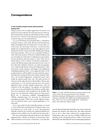
July 2008 in “International Journal of Dermatology” Greying hairs may be protected from alopecia areata.
 222 citations
,
October 2014 in “Annual Review of Pharmacology and Toxicology”
222 citations
,
October 2014 in “Annual Review of Pharmacology and Toxicology” Eph receptors and ephrins may be promising targets for treating diseases, but more understanding is needed for effective and safe therapies.
 9 citations
,
May 2013 in “JAMA Dermatology”
9 citations
,
May 2013 in “JAMA Dermatology” Sunlight exposure improved a patient's skin condition, and there may be a link between a certain disease and skin growths; a leukemia treatment caused changes in hair color and growth.
 January 2022 in “Archiv für Tierzucht”
 EPHA4 and Ephrin A3 are found in the skin of Aohan fine-wool sheep.
1 citations
,
October 2025 in “BMC Genomics” Goat genes show adaptation to environments and traits like body development, with differences among cashmere, feral, and milk-producing goats.
128 citations
,
August 2020 in “Cell stem cell” Dermal fibroblasts have adjustable roles in wound healing, with specific cells promoting regeneration or scar formation.
 199 citations
,
April 2010 in “Nature”
199 citations
,
April 2010 in “Nature” A gene called APCDD1, which controls hair growth, is found to be faulty in a type of hair loss called hereditary hypotrichosis simplex.
 9 citations
,
May 2013 in “JAMA Dermatology”
9 citations
,
May 2013 in “JAMA Dermatology” A woman's hair turned white after taking a cancer drug called dasatinib.

Intermittent fasting slows hair growth by damaging hair follicle cells.
 191 citations
,
September 2011 in “Cell stem cell”
191 citations
,
September 2011 in “Cell stem cell” Hair follicle stem cells use specific chromatin changes to control their growth and differentiation.
 3 citations
,
January 2023 in “Science advances”
3 citations
,
January 2023 in “Science advances” The enzymes Tet2 and Tet3 are important for skin cell development and hair growth.
 April 2016 in “Journal of Investigative Dermatology”
 Using a stimulating cream shampoo before applying Minoxidil helps it penetrate hair follicles better, enhancing its hair growth-promoting effect.
 April 2016 in “Journal of Investigative Dermatology”
 Microneedle arrays deliver botulinum toxin effectively for sweat suppression, similar to injections.
 April 2016 in “Journal of Investigative Dermatology”
 Mefloquine, an antimalarial drug, is effective in killing melanoma cells resistant to other treatments by causing lethal stress in the cells.
 April 2016 in “Journal of Investigative Dermatology”
 Phenylephrine may help prevent hair loss from pulling on the hair roots.
 April 2016 in “Journal of Investigative Dermatology”
 A peptide known for reducing wrinkles also effectively inhibits an enzyme linked to skin inflammation and acne.
 April 2016 in “Journal of Investigative Dermatology”
Ovol2 is crucial for hair growth and skin healing by controlling cell movement and growth.
 43 citations
,
March 2009 in “Journal of Cellular and Molecular Medicine”
43 citations
,
March 2009 in “Journal of Cellular and Molecular Medicine” TGF-β2 plays a key role in human hair growth and development.
 30 citations
,
April 2020 in “Stem Cell Research & Therapy”
30 citations
,
April 2020 in “Stem Cell Research & Therapy” PI3K/Akt pathway is crucial for hair growth and regeneration.
 24 citations
,
May 2016 in “Stem Cell Reviews and Reports”
24 citations
,
May 2016 in “Stem Cell Reviews and Reports” The document concludes that understanding how adult stem and progenitor cells move is crucial for tissue repair and developing cell therapies.
 8 citations
,
October 2023 in “Folia Histochemica et Cytobiologica”
8 citations
,
October 2023 in “Folia Histochemica et Cytobiologica” Exosomes from modified stem cells may help treat liver injury.
 April 2026 in “Cellular and Molecular Immunology”
 SPT6 prevents excessive skin inflammation by blocking a feedback loop.