 April 2026 in “International Journal of Drug Delivery Technology”
 Herbal shampoos with natural ingredients are a safe and effective alternative to ketoconazole for treating seborrheic dermatitis.
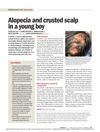 March 2026 in “Open MIND”
 Early treatment of scalp infections can prevent permanent hair loss.
 January 2026 in “Forum Dermatologicum”
 Platelet-rich plasma helps improve skin and hair conditions.
 January 2026 in “Food and Nutrition Sciences”
 USPlus PRO saw palmetto extract improves urinary symptoms and is safe for men.

Virtual healthcare significantly improves quality of life for men with hair loss if they stick to the treatment.
 December 2025 in “International Journal of Medicine and Public Health”
 Overt hyperthyroidism is the most common thyroid disorder, especially in women.
 November 2025 in “Frontiers in Pharmacology”
 Botanical treatments like saw palmetto, rosemary oil, and ginseng may help reduce hair loss in menopausal women.
 February 2025 in “International Journal of Research in Medical Sciences”
 Reinfection patients had more physical complications, while initial infection patients had more mental health issues.
January 2025 in “Multimedialen Archiv und Publikationsserver der Christian-Albrechts-Universität zu Kiel (Christian-Albrechts-Universität zu Kiel)” Oxidized LDL reduces cell growth but affects stem cell differentiation less negatively than cytokine-induced inflammation.
 November 2024 in “Open Repository of the University of Porto (University of Porto)”
 Tailored medication preparation and ongoing education are crucial for effective treatments.
 January 2024 in “Women's health science journal”
 Hormonal imbalances are a key cause of missed menstrual periods in women.
 October 2023 in “Open Repository of the University of Porto (University of Porto)”
 Pharmacists play a crucial role in patient care and optimizing treatment outcomes.
 August 2023 in “Anales de la Facultad de Ciencias Médicas”
 The patient with lupus and hair loss improved with oral and topical minoxidil.
 July 2023 in “Dermatology and therapy”
 People with alopecia areata may have a higher risk of blood clots.

Female rats showed more panic-related behavior than males, influenced by hormonal cycles and certain drugs.
 June 2023 in “LA Referencia (Red Federada de Repositorios Institucionales de Publicaciones Científicas)”
 Home photobiomodulation therapy can improve life quality and mobility for disabled individuals.
 January 2023 in “Open veterinary journal”
 Cow blood vessel cell secretions helped heal rat burn wounds and may treat burns and hair loss.

Social media data can help track and predict COVID-19 symptoms and trends.
 November 2022 in “LA Referencia (Red Federada de Repositorios Institucionales de Publicaciones Científicas)”
 Platelet-rich fibrin speeds up burn wound healing in rabbits.
 October 2022 in “Journal of experimental and clinical medicine”
 Repurposing existing drugs for COVID-19 shows promise but requires more research to confirm effectiveness.
 April 2022 in “Health care of Tajikistan”
 Managing alopecia areata in children needs a personalized approach considering genetic, immune, and environmental factors.

Alopecia Areata has no cure, treatments are limited, and the condition often recurs, but new therapies like JAK inhibitors show promise.
 July 2017 in “Cardiologia Croatica”
 Metabolic syndrome's individual issues are real and need treatment to reduce diabetes and heart disease risks.

Accurate diagnosis of cicatricial alopecias requires thorough scalp examination and multiple biopsy techniques.
 January 2008 in “Springer eBooks”
 Thyroid disease can cause hair loss and treating thyroid problems might help with hair disorders.
 June 2019 in “Brain Imaging and Behavior”
 Hair loss can indicate brain aging and potential small vessel disease, but more research is needed to understand the clinical impact.
January 2018 in “Turkiye Klinikleri Journal of Dermatology” Commonly used plants in hair products can guide future research and help professionals recommend treatments.
 January 2018 in “Turkiye Klinikleri Journal of Dermatology”
 Eczema and acne were the most common skin issues in children at the clinic.

Many women with postadolescent acne also have hormonal imbalances and are at higher risk for metabolic issues.
 September 2014 in “Springer eBooks”
 Men and women experience skin aging differently due to changes in sex hormone levels with age.