9 citations
,
October 1989 in “Australian Journal of Agricultural Research” Mouse epidermal growth factor temporarily stops wool growth and causes cell changes in Merino sheep.
7 citations
,
March 2020 in “Journal of the American Academy of Dermatology” EGFR inhibitors often cause dry, brittle hair and eyebrow/eyelash changes.
7 citations
,
November 1997 in “Reproduction Fertility and Development” Epidermal growth factor disrupts hair and gland formation in bandicoots.
6 citations
,
July 2015 in “JAAD Case Reports” Doxycycline can effectively treat hair loss caused by EGFR inhibitors.
6 citations
,
October 1998 in “Experimental Dermatology” Normal skin results from interactions between EGF and the Tabby mutation.
5 citations
,
April 2016 in “PubMed” Cetuximab often causes skin problems, but they can be managed without stopping treatment.
4 citations
,
June 2024 in “British Journal of Dermatology” EGFRi/MEKi treatments cause hair follicles to lose some immune protection, leading to inflammation.
4 citations
,
August 2014 in “International Wound Journal” Topical EGF may cause unexpected hair growth during wound healing.
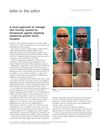 4 citations
,
March 2012 in “Annals of oncology”
4 citations
,
March 2012 in “Annals of oncology” New treatment with green tea polyphenols and nicotinamide improves skin problems from cancer therapy.
4 citations
,
March 2008 in “Journal of the American Academy of Dermatology” 3 citations
,
August 2013 in “Journal of the American Academy of Dermatology” A new method quickly detects hair changes from EGFR inhibitors using a microscope.
2 citations
,
January 2014 in “Journal of Cytology & Histology” Rapamycin and anti-EGFR antibody reduce LAM/TSC cell migration and blood vessel growth in the uterus.
1 citations
,
July 2024 in “British Journal of Dermatology” Inhibiting certain proteins harms hair follicle immunity and increases IL-33, affecting hair health.
1 citations
,
January 2024 in “International Journal of Applied Biochemistry and Molecular Biology.” Higher EGF levels are linked to more severe alopecia areata.
1 citations
,
May 2017 in “Journal of cosmetic and laser therapy” Lasers can help reduce skin side effects from cancer treatment.
 1 citations
,
March 2004 in “Journal of the American Academy of Dermatology”
1 citations
,
March 2004 in “Journal of the American Academy of Dermatology” ZD1839, a cancer drug, can cause mild skin rashes that are treatable without stopping the medication.
August 2024 in “Postgraduate Medical Journal” A rare skin reaction from cancer treatment was successfully managed with topical treatments and antihistamines.
July 2024 in “Journal of Investigative Dermatology” ATR04-484 ointment shows promise for treating skin issues from cancer therapies.
 April 2024 in “Journal of pharmacy & pharmacognosy research”
 A compound from Calophyllum inophyllum L. leaf may help treat non-small cell lung cancer.
November 2023 in “Journal of Skin and Sexually Transmitted Diseases” Gefitinib can cause scalp skin issues and permanent hair loss.
June 2023 in “Zenodo (CERN European Organization for Nuclear Research)” PRP and EGF speed up healing in severe rat burns.
 April 2023 in “The journal of investigative dermatology/Journal of investigative dermatology”
 Blocking EGFR can lead to hair loss due to inflammation and stem cell damage.
TNFα and interleukin-1 blockers reduce skin inflammation from EGFR antibody therapy.
TNFα and interleukin-1 blockers reduce skin inflammation from EGFR antibody therapy.
 July 2020 in “Benha Journal of Applied Sciences”
 People with alopecia areata have higher levels of EGF in their blood than healthy people.
MSC-CM cream speeds up burn wound healing better than the control treatment.
January 2013 in “Seoul National University Open Repository (Seoul National University)” Epidermal growth factor helps hair regrow after chemotherapy.
November 2010 in “International Journal of Dermatology and Venereology” EGFR inhibitors can cause skin issues, and managing these is important for treatment success.
January 2005 in “Di-san junyi daxue xuebao” Aerosol bioelectricity speeds up wound healing in burned rats.
EGF affects hair and skin development.