10 citations
,
November 1964 in “Zentralblatt für Veterinärmedizin Reihe A” Benign epithelial tumors in dogs don't spread or become cancerous.
 5 citations
,
January 2013 in “Journal der Deutschen Dermatologischen Gesellschaft”
5 citations
,
January 2013 in “Journal der Deutschen Dermatologischen Gesellschaft” The document concludes that individualized treatment for malignant epithelial tumors is necessary and more research on metastatic squamous cell carcinoma treatments is needed.
 4 citations
,
August 2021 in “Annals of Translational Medicine”
4 citations
,
August 2021 in “Annals of Translational Medicine” Dihydroartemisinin helps reduce prostate enlargement in rats by stopping the growth of prostate cells.
4 citations
,
July 2006 in “British journal of dermatology/British journal of dermatology, Supplement” Testosterone increases hair follicle cell growth when beard or axillary skin cells are present together.
3 citations
,
December 2013 in “Journal of Cell Science” Keratin 79 cells help form and regenerate hair canals.
 1 citations
,
June 2021 in “bioRxiv (Cold Spring Harbor Laboratory)”
1 citations
,
June 2021 in “bioRxiv (Cold Spring Harbor Laboratory)” Activating β-catenin in mammary cells leads to changes that cause early-stage abnormal growths similar to skin structures.
October 2025 in “International Journal of Molecular Sciences” Extracellular vesicles from mammary cells help heal skin wounds effectively.
 September 2025 in “Sahel Journal of Life Sciences FUDMA”
 Chemical hair straighteners can severely damage hair and scalp with repeated use.
 May 2025 in “Journal of Developmental Biology”
 Jawless vertebrates have teeth proteins similar to those in mammalian hair and nails.
 January 2025 in “Frontiers in Cell and Developmental Biology”
 Hox proteins help maintain keratinocyte identity by regulating miRNA expression.
 April 2018 in “Journal of Investigative Dermatology”
 The conclusion is that the cornea has two types of stem cells, with Lrig1+ cells being key for renewal in aging corneas, independent of CD44.
 April 2017 in “Journal of Investigative Dermatology”
 The protein CTCF is essential for skin development, maintaining hair follicles, and preventing inflammation.
 September 2016 in “Journal of dermatological science”
 Adult skin cells can be used to create new hair in a lab.
April 2010 in “The journal of immunology/The Journal of immunology” FoxN1 gene is crucial for proper thymus structure and normal skin appearance.
September 2008 in “Acta Ophthalmologica” Hair follicle stem cells can become corneal-like cells with the right environment.
January 2008 in “Infoscience (Ecole Polytechnique Fédérale de Lausanne)” Thymic epithelial cells may be related to skin stem cells.
January 2006 in “Zhongguo bijiao yixue zazhi” A new method efficiently isolates and cultures rat hair follicle cells.
 11 citations
,
October 2001 in “Tissue engineering”
11 citations
,
October 2001 in “Tissue engineering” Cultured epithelium can form hair follicles when combined with dermal papillae.
 8 citations
,
September 1993 in “British journal of dermatology/British journal of dermatology, Supplement”
8 citations
,
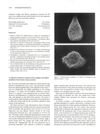
September 1993 in “British journal of dermatology/British journal of dermatology, Supplement” A new method helps isolate key hair components to study hair growth and loss.
 April 2023 in “Journal of Investigative Dermatology”
 MPZL3 protein helps control the size of oil glands and the growth of oil-producing cells in both mice and humans.
Skin cells can naturally limit the growth of cancerous changes by balancing cell renewal and differentiation.
December 2010 in “HAL (Le Centre pour la Communication Scientifique Directe)” The cornea develops independently of the lens, following its own default pathway.
173 citations
,
July 1995 in “Biochemical and biophysical research communications” Male hormones promote hair cell growth by using a growth factor from nearby skin cells.
130 citations
,
April 2003 in “Journal of Investigative Dermatology” Four specific keratins in hair follicles help understand hair structure and function.
 102 citations
,
August 2008 in “Genes & Development”
102 citations
,
August 2008 in “Genes & Development” Laminin-511 is crucial for early hair growth and maintaining important hair development signals.
88 citations
,
December 2003 in “Journal of Biological Chemistry” Epiprofin helps cells grow in developing teeth, hair, and limbs.
86 citations
,
May 2002 in “Journal of Investigative Dermatology” A new keratin, hK6irs1, is found in all layers of the hair follicle's inner root sheath.
66 citations
,
March 2016 in “Nucleic Acids Research” Musashi-2 limits epithelial cell movement and affects cell growth.
42 citations
,
July 2015 in “PLoS ONE” The study revealed the detailed structure of a keratin dimer, aiding understanding of how intermediate filament proteins function.
42 citations
,
July 2010 in “European Journal of Cell Biology” Thyroid hormones affect hair follicle stem cells by promoting differentiation and reducing growth.