10 citations
,
May 2021 in “Frontiers in Plant Science” OsRopGEF3 is crucial for rice root hair growth and ROS production.
 24 citations
,
January 2012 in “Journal of Cellular Biochemistry”
24 citations
,
January 2012 in “Journal of Cellular Biochemistry” C-reactive protein helps monocytes stick to blood vessel cells by causing oxidative stress.
344 citations
,
May 2018 in “EMBO journal” Phosphorylation controls TFEB's location in the cell, affecting cell metabolism and stress response.
 April 2018 in “The journal of investigative dermatology/Journal of investigative dermatology”
 Double-stranded RNA helps regenerate hair follicles by increasing retinoic acid production and signaling.
9 citations
,
October 2017 in “Frontiers in plant science” The peach gene CTG134 helps control the interaction between auxin and ethylene, which could lead to new agricultural chemicals.
 April 2019 in “Journal of Investigative Dermatology”
 Researchers fixed gene mutations causing a skin disease in stem cells, which then improved skin grafts in mice.
 6 citations
,
December 2022 in “Cell reports”
6 citations
,
December 2022 in “Cell reports” Eating a high-fat fish oil diet caused mice to lose hair due to a specific immune cell activity in the skin linked to a protein called E-FABP.

Higher TGF-β signaling may increase skin cancer risk in organ transplant recipients.
7 citations
,
November 1997 in “Reproduction Fertility and Development” Epidermal growth factor disrupts hair and gland formation in bandicoots.
2 citations
,
May 2024 in “International Journal of Molecular Sciences” Targeting CD169+ skin macrophages may help treat psoriasis.

New insights into cell communication in psoriasis suggest innovative drug treatments.
49 citations
,
January 2005 in “Dermatology” Systemic retinoids may effectively treat erosive pustular dermatosis of the scalp.
July 2022 in “British Journal of Dermatology”  August 2019 in “Journal of Invertebrate Pathology”
 Thymosin beta 4 protects cells from damage by blocking a harmful microRNA and boosting a protective gene.
Equine hoof progenitor cells can help develop therapies for hoof diseases like laminitis.
 December 2024 in “Pharmaceutics”
 Extracellular vesicles show promise for treating psoriasis by reducing inflammation and skin lesions.
 19 citations
,
September 2019 in “EMBO molecular medicine”
19 citations
,
September 2019 in “EMBO molecular medicine” Blocking TSLP reduces skin inflammation and cell overgrowth in psoriasis.
8 citations
,
November 2013 in “Vojnosanitetski pregled” Erosive pustular dermatosis of the scalp may not be as rare as previously thought.
 48 citations
,
January 2012 in “The journal of investigative dermatology/Journal of investigative dermatology”
48 citations
,
January 2012 in “The journal of investigative dermatology/Journal of investigative dermatology” Chemokine signaling is important for hair development.
July 2025 in “Journal of Investigative Dermatology” Resident memory T cells and necroptosis may drive fibrosis in eosinophilic fasciitis and morphea.
 1 citations
,
April 2018 in “Journal of Investigative Dermatology”
1 citations
,
April 2018 in “Journal of Investigative Dermatology” PRC1 is essential for proper skin development and stem cell formation by controlling gene activity.
117 citations
,
April 2008 in “Developmental biology” Ectodysplasin inhibits Wnt signaling to help form hair follicles.
 July 2022 in “The journal of investigative dermatology/Journal of investigative dermatology”
 A patient with a PLEC mutation has epidermolysis bullosa, muscular dystrophy, and myasthenia gravis, which improved with steroid treatment.
5 citations
,
July 2017 in “Molecular Medicine Reports” Lygodium japonicum spores can reduce inflammation by blocking certain cell signals.
September 2019 in “Journal of Investigative Dermatology” PCE-DP brightens skin and promotes hair growth by enhancing cell growth and reducing melanin uptake.
July 2024 in “Journal of Investigative Dermatology” IL-13 protein is much higher in the skin of atopic dermatitis patients than in healthy skin.
 57 citations
,
May 2014 in “Molecular Phylogenetics and Evolution”
57 citations
,
May 2014 in “Molecular Phylogenetics and Evolution” The research found how GPCR Class A Rhodopsin receptors are related and suggested possible substances they interact with.
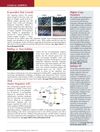 July 2016 in “Experimental Dermatology”
 New treatments for hair growth and psoriasis may be possible, and gene differences could affect baldness and the severity of skin conditions.
 March 2024 in “Plant physiology”
 GLABRA 2 controls ethylene production to help root hair growth during nutrient deficiency.
 115 citations
,
February 2016 in “Nature Communications”
115 citations
,
February 2016 in “Nature Communications” Epidermal β-catenin activation changes the dermis by signaling different fibroblast types.