7 citations
,
May 2022 in “Cancers” UC.145 may be a new biomarker for predicting gastric cancer.
3 citations
,
July 2024 in “Frontiers in Medicine” Mutations in the KLHL24 gene cause a skin disorder in some Russian families.
17 citations
,
January 2016 in “Journal of Drug Delivery” PEG and keratin scaffolds can effectively deliver protein drugs by controlling release based on pH levels.
25 citations
,
September 2005 in “Journal of the American Academy of Dermatology” Rapp-Hodgkin syndrome, AEC, and EEC are different expressions of the same genetic disorder caused by TP63 gene mutations.
67 citations
,
January 1992 in “Journal of Investigative Dermatology” 3 citations
,
September 2023 in “Genes” Dkk genes evolved faster in birds and reptiles, affecting hair development functions.
 42 citations
,
January 2017 in “Genes”
42 citations
,
January 2017 in “Genes” The gene KAP22-1 affects wool yield and fiber shape in sheep.
7 citations
,
December 1970 in “Biochimica et Biophysica Acta (BBA) - Protein Structure” March 2010 in “European Journal of Cancer Supplements”  59 citations
,
April 2016 in “Cell Reports”
59 citations
,
April 2016 in “Cell Reports” EdnrB signaling helps melanocyte stem cells regenerate and could be targeted to treat pigmentation issues.
August 2016 in “Journal of Investigative Dermatology” EZH2 is essential for hair growth and skin cell development.
December 2025 in “Journal of Human Immunity” JAK inhibitors may help improve symptoms in adults with APECED.
January 2005 in “Enlighten: Publications (The University of Glasgow)” Melanocyte pathology requires keratinocyte hyperplasia and regulation dysfunction.
6 citations
,
January 2010 in “Journal of Biochemical and Molecular Toxicology” The ID2 gene can help distinguish between sensitizers and irritants in skin cells.
13 citations
,
July 2016 in “Indian Journal of Dermatology” DPR can show different hair characteristics, as seen in two brothers with normal hair.
17 citations
,
May 2013 in “Journal of Investigative Dermatology” Mutations in β1 integrins cause embryonic death but have milder effects on skin.
 November 2022 in “The journal of investigative dermatology/Journal of investigative dermatology”
 YAP1 is important for skin regeneration and may affect skin disorder treatments.
December 2025 in “The Journal of Cell Biology” Keratin 15 helps maintain skin cell growth and repair.
51 citations
,
December 2006 in “Mammalian Genome” 37 citations
,
January 2010 in “Human Molecular Genetics” FTase and GGTase-I are essential for skin keratinocyte health.
1 citations
,
April 2012 in “Cancer Research” Antizyme reduces tumor growth and normalizes skin cell development affected by MEK.
 4 citations
,
January 2004 in “Biological and Pharmaceutical Bulletin”
4 citations
,
January 2004 in “Biological and Pharmaceutical Bulletin” AgK114 protein helps in hamster skin injury recovery.
 98 citations
,
June 2008 in “Human mutation”
98 citations
,
June 2008 in “Human mutation” A genetic change in the EDAR gene causes the unique hair traits found in East Asians.
 July 2018 in “Kidney international”
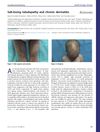
 Genetic testing for EGFR mutations is crucial in similar cases.
 30 citations
,
June 2014 in “Seminars in Immunology”
30 citations
,
June 2014 in “Seminars in Immunology” Future research on ectodysplasin should explore its role in diseases, stem cells, and evolution, and continue developing treatments for genetic disorders like hypohidrotic ectodermal dysplasia.
107 citations
,
June 1997 in “PubMed” EGFR is essential for normal hair development and follicle differentiation.
March 2016 in “Experimental Dermatology” EGFR helps hair follicles transition properly by controlling Stathmin levels.
 February 2026 in “bonndoc (University of Bonn)”
 New gene variants were found for rare skin and hair disorders, improving understanding and treatment.
50 citations
,
July 2008 in “British Journal of Dermatology” 14 citations
,
March 2015 in “Stem Cell Research & Therapy” ABCG2 protein marks stem-like skin cells in human epidermis.