 7 citations
,
August 2005 in “British Journal of Dermatology”
7 citations
,
August 2005 in “British Journal of Dermatology” Etanercept improved symptoms of a specific type of psoriatic arthritis in a patient who didn't respond to other treatments.
April 2025 in “International Journal of Dermatology” Prostaglandin E2 promotes skin cancer, but certain supplements and drugs may help reduce risk and improve treatment.
1 citations
,
November 2022 in “Indian Journal of Dermatology/Indian journal of dermatology” Dermoscopy helps accurately diagnose and treat benign skin cysts.
July 2025 in “Carbohydrate Polymers” The green alga Parachlorella sp. has potential for use in cosmetics and health products due to its antioxidant, anti-hypertensive, and hair growth properties.
 March 2026 in “Cell Death Discovery”
 Targeting the p63 gene could help treat skin diseases.
16 citations
,
March 2023 in “Gels” Paeonol-loaded gels may help reduce inflammation and skin damage in atopic dermatitis.
August 2019 in “Pharmacoscript” The 3:2 combination of pandanus and sansevieria leaf extracts promotes the best hair growth.
7 citations
,
September 1997 in “PubMed”  July 2024 in “Jurnal PKM Manajemen Bisnis”
 Growing guava can improve health and boost the economy in Pamulang.

Eclipta alba L. (Urang-Aring) can help treat hair loss.
 7 citations
,
March 2019 in “Journal of The European Academy of Dermatology and Venereology”
7 citations
,
March 2019 in “Journal of The European Academy of Dermatology and Venereology” A man developed a skin reaction from metronidazole, which improved after stopping the drug and starting steroids.
 25 citations
,
July 2024 in “Frontiers in Pharmacology”
25 citations
,
July 2024 in “Frontiers in Pharmacology” Rimegepant causes more nausea and skin issues, while ubrogepant causes more muscle issues; personalized treatment is important.
2 citations
,
November 2025 in “British Journal of Pharmacology” Daprodustat, combined with PAβN, could be a new antibacterial treatment.
 71 citations
,
May 2007 in “The FASEB journal”
71 citations
,
May 2007 in “The FASEB journal” Human hair follicles produce and respond to erythropoietin, helping protect against stress.
49 citations
,
January 2017 in “Oxidative Medicine and Cellular Longevity” Eclipta alba extract may help fight cancer and has antioxidant benefits without being toxic.
 1 citations
,
January 2001 in “American Journal of Kidney Diseases”
1 citations
,
January 2001 in “American Journal of Kidney Diseases” Hair loss in three Southeast Asian women with kidney failure may be linked to their anemia treatment with erythropoietin.
5 citations
,
January 2022 in “Asian Journal of Pharmaceutical and Clinical Research” Emulgels are effective for delivering skin medications and cosmetics due to their easy application and controlled release.
 September 2011 in “Urology”
 The IPP index is linked to storage symptoms and leftover urine, and may help manage urinary tract symptoms.
 July 2024 in “Jurnal Pengabdian Masyarakat Putri Hijau”
 Students showed strong interest in using meniran leaves for hair growth pomade.
 1 citations
,
January 2025 in “Frontiers in Pharmacology”
1 citations
,
January 2025 in “Frontiers in Pharmacology” Total glucosides of paeony can help treat skin conditions but need more research for clinical use.
14 citations
,
November 2018 in “Journal of drug delivery and therapeutics” Ethosomes are effective, safe carriers for delivering drugs through the skin.
 12 citations
,
November 2011 in “International Journal of Dermatology”
12 citations
,
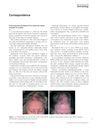
November 2011 in “International Journal of Dermatology” A woman developed a scalp condition from using minoxidil, which improved with a different treatment but left scarring.
22 citations
,
February 2018 in “International Journal of Pharmacy and Pharmaceutical Sciences” Peperomia pellucida shows promise for developing new therapeutic drugs.
 January 2025 in “FASKES Jurnal Farmasi Kesehatan dan Sains”
 Erythrina subumbrans leaves may help treat hair loss.
68 citations
,
January 2014 in “Dermatology research and practice” Skin side effects from cancer drugs targeting EGFR can affect treatment adherence but can be managed with antibiotics like tetracycline.
43 citations
,
January 2014 in “Indian Journal of Dermatology” EGFR inhibitors can cause skin issues like acne and dryness, but these can be managed without stopping treatment.
 3 citations
,
May 2018 in “European Journal of Dermatology”
3 citations
,
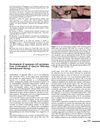
May 2018 in “European Journal of Dermatology” Photodynamic therapy may not work for erythroplasia of Queyrat and could lead to invasive squamous cell carcinoma.
 5 citations
,
January 2015 in “Skin appendage disorders”
5 citations
,
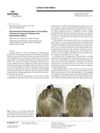
January 2015 in “Skin appendage disorders” Colored hair-thickening fibers can help hide hair loss in some people with Epidermolysis Bullosa but may cause scalp irritation.
 December 2024 in “Buletin Veteriner Udayana”
 Improving cage hygiene and sanitation is crucial to prevent colisepticemia in chickens.
 13 citations
,
August 2002 in “Dermatologic Surgery”
13 citations
,
August 2002 in “Dermatologic Surgery” FUE is a less invasive hair transplant method suitable for many patients, but it has limitations and may not replace traditional techniques.