 17 citations
,
October 2013 in “F1000Research”
17 citations
,
October 2013 in “F1000Research” A 2-year-old boy grew excessive hair after using minoxidil for hair loss, but it improved when the treatment stopped.
 9 citations
,
January 1987 in “Journal of The American Academy of Dermatology”
9 citations
,
January 1987 in “Journal of The American Academy of Dermatology” A man lost a lot of scalp hair quickly after stopping minoxidil, but it grew back with mild male pattern baldness.
March 2013 in “International Society of Hair Restoration Surgery” No conclusive evidence links topical minoxidil to heart rhythm issues.
 May 2024 in “Anais brasileiros de dermatologia/Anais Brasileiros de Dermatologia”
 Oral minoxidil 7.5 mg for hair loss increases heart rate but not blood pressure.
January 2006 in “Chinese Journal of Aesthetic Medicine” Lipo-minoxidil increases VEGF expression more than regular minoxidil.
1 citations
,
May 1987 in “The Lancet” Topical minoxidil may help hair growth by improving blood flow to hair follicles.
1 citations
,
December 1995 in “Archives of Dermatology” The combination of topical minoxidil and oral finasteride improved hair regrowth in a man with advanced hair loss.
5 citations
,
January 1988 in “Analytical profiles of drug substances” Minoxidil helps lower blood pressure and can also promote hair growth.

Most dermatologists use and find oral minoxidil effective and tolerable for hair loss treatment.
 45 citations
,
November 1979 in “British Journal of Dermatology”
45 citations
,
November 1979 in “British Journal of Dermatology” Minoxidil causes excessive hair growth in almost all patients.
March 2025 in “International Journal of Trichology” Low-dose oral minoxidil is safe for the heart.
 April 2024 in “Anais brasileiros de dermatologia/Anais Brasileiros de Dermatologia”
 Using both minoxidil and biotin together increased hair growth more than using either one alone.
 26 citations
,
July 2003 in “Journal of Cutaneous Medicine and Surgery”
26 citations
,
July 2003 in “Journal of Cutaneous Medicine and Surgery” Minoxidil solution safely and effectively treats hair loss.
2 citations
,
April 2020 in “PubMed”  January 2014 in “Anales Médicos de la Asociación Médica del Centro Médico ABC”
 The combination of oral finasteride and dutasteride with topical minoxidil effectively promotes new hair growth in most people, with minimal side effects.
4 citations
,
March 2021 in “Experimental dermatology” Minoxidil increases nail growth more than biotin.
 February 2016 in “Faculty Opinions – Post-Publication Peer Review of the Biomedical Literature”
 A hair test can accurately predict if a person with hair loss will respond to minoxidil treatment.
 109 citations
,
July 1984 in “Circulation”
109 citations
,
July 1984 in “Circulation” Minoxidil helps heart function but doesn't improve exercise ability and may cause complications.
 August 2019 in “DOAJ (DOAJ: Directory of Open Access Journals)”
 Minoxidil is a primary treatment for hair loss but its exact working method is unknown.
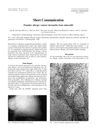 17 citations
,
May 1998 in “Contact Dermatitis”
17 citations
,
May 1998 in “Contact Dermatitis” Minoxidil can cause pustular allergic reactions on skin.
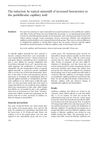 12 citations
,
February 1999 in “British Journal of Dermatology”
12 citations
,
February 1999 in “British Journal of Dermatology” Minoxidil increased small openings in blood vessel walls near growing hair in rats.
Low-dose oral minoxidil effectively treats hair loss with good tolerance.
March 2026 in “Journal of Aesthetic Nursing” Combining PRP and minoxidil works best for treating male hair loss.
4 citations
,
January 1983 in “PubMed” Minoxidil can regrow hair, but cyproterone acetate doesn't help when used together.
 5 citations
,
January 2021 in “Journal of The American Academy of Dermatology”
5 citations
,
January 2021 in “Journal of The American Academy of Dermatology” Low-dose oral minoxidil is an effective and safe treatment for hair loss.
 19 citations
,
December 1985 in “Journal of The American Academy of Dermatology”
19 citations
,
December 1985 in “Journal of The American Academy of Dermatology” Minoxidil can cause scalp comedones and acne.
 August 2020 in “Journal of The American Academy of Dermatology”
 Oral minoxidil can improve hair thickness and a comprehensive treatment approach leads to better alopecia outcomes.
 49 citations
,
October 1994 in “Annals of Oncology”
49 citations
,
October 1994 in “Annals of Oncology” Minoxidil not effective in preventing chemotherapy-induced hair loss.
1 citations
,
March 1990 in “Clinical Drug Investigation” 2% topical minoxidil can help reduce hair loss and promote hair growth in male pattern baldness.