 September 2024 in “Drugs & Therapy Perspectives”
 Ritlecitinib effectively regrows hair in severe alopecia areata and is well tolerated.
September 2024 in “Annals of Medicine and Surgery” Ritlecitinib is the first FDA-approved pill for treating significant hair loss in alopecia areata patients aged 12 and up.
July 2025 in “Ultrasound in Medicine & Biology” UTMD with diclofenac and Doxil® improves cancer treatment by boosting immune response and reducing tumor-supporting cells.
July 2024 in “Journal of Investigative Dermatology” INTASYL is a promising, adaptable RNAi technology for treating skin cancers.
 September 2023 in “Medicina Estética Revista Científica de la Sociedad Española de Medicina Estética (SEME)”
 The FDA approved Litfulo® for treating severe alopecia areata in people aged 12 and older.
Ruxolitinib cream shows promise for vitiligo, and early melanoma diagnosis is crucial.
20 citations
,
May 2007 in “JDDG Journal der Deutschen Dermatologischen Gesellschaft” Etanercept effectively treated a severe skin condition when other treatments failed.
30 citations
,
June 2017 in “Journal of cutaneous medicine and surgery” Topical ruxolitinib failed to regrow hair in a 66-year-old with alopecia areata.
A new method improves betulin delivery in experiments, showing promise against certain tumors.
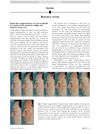 157 citations
,
December 2015 in “Journal of the American Academy of Dermatology”
157 citations
,
December 2015 in “Journal of the American Academy of Dermatology” A man with vitiligo and alopecia saw quick skin and hair improvement with ruxolitinib, but skin color gains were lost after stopping treatment.
January 2024 in “Pharmaceutical journal/The pharmaceutical journal” Ritlecitinib can help about 14,000 people with severe hair loss.
June 2025 in “British Journal of Dermatology” Tofacitinib was more effective than methotrexate for treating alopecia areata.
July 2024 in “Journal of Investigative Dermatology” ATR04-484 ointment shows promise for treating skin issues from cancer therapies.
November 2023 in “SKIN The Journal of Cutaneous Medicine” Ritlecitinib effectively maintains hair regrowth in alopecia areata patients.
 April 2023 in “The journal of investigative dermatology/Journal of investigative dermatology”
 A PTH-based treatment improved hair regrowth better than ruxolitinib in a mouse model of hair loss.
1 citations
,
September 2023 in “Journal of the American Academy of Dermatology” Continued ritlecitinib treatment can lead to hair regrowth in some patients with alopecia areata who initially don't respond.
 December 2025 in “Frontiers in Medicine”
 Ritlecitinib successfully treated a child's alopecia universalis after baricitinib failed.
3 citations
,
April 2020 in “PubMed” Combining DEB-BACE with chemotherapy is more effective and has fewer side effects than chemotherapy alone for treating unresectable lung squamous cell carcinoma.
Ritlecitinib significantly regrows scalp hair in people with alopecia areata.
1 citations
,
November 2023 in “SKIN The Journal of Cutaneous Medicine” 36 citations
,
December 2021 in “The journal of allergy and clinical immunology/Journal of allergy and clinical immunology/The journal of allergy and clinical immunology” Two drugs, ritlecitinib and brepocitinib, improved scalp hair loss condition markers.
The combination of high-dose toremifene and capecitabine was effective for advanced recurrent breast cancer.
July 2024 in “Journal of Investigative Dermatology” Brepocitinib reduces interferon signaling in hidradenitis suppurativa patients.
 3 citations
,
August 2023 in “Drug safety”
3 citations
,
August 2023 in “Drug safety” Proactive monitoring and management are essential to maximize the benefits of Trastuzumab Deruxtecan while minimizing serious side effects.
May 2025 in “Journal of the European Academy of Dermatology and Venereology” Ritlecitinib is effective for long-term hair regrowth in alopecia areata, especially in females and early treatment.
 March 2005 in “Journal of the American Academy of Dermatology”
 Bexarotene 1% topical gel helped some patients with alopecia areata regrow hair.
October 2025 in “Frontiers in Medicine” Ixekizumab has known and some unexpected side effects.
45 citations
,
July 2025 in “Journal of Medicinal Chemistry” Vepdegestrant may become the first FDA-approved PROTAC degrader, marking a new era in drug development.
 April 2016 in “The journal of investigative dermatology/Journal of investigative dermatology”
 Applying the anti-cancer drug Bortezomib to skin can promote hair growth and increase hair proteins through the GATA-3 factor.
February 2006 in “PubMed” Docetaxel slightly extends prostate cancer survival but has significant side effects and high cost.