4 citations
,
September 2021 in “Medical Lasers” Low-level laser therapy effectively prevents and treats oral mucositis.
August 2020 in “OPAL (Open@LaTrobe) (La Trobe University)” June 2023 in “International Journal of Dermatology”  4 citations
,
January 2011 in “Current problems in dermatology”
4 citations
,
January 2011 in “Current problems in dermatology” At-home laser and light devices can safely reduce acne and hair growth when used correctly but are less effective than professional treatments.
 45 citations
,
December 2018 in “Lasers in Medical Science”
45 citations
,
December 2018 in “Lasers in Medical Science” LLLT promotes hair growth and improves hair density safely in men and women.
January 2015 in “Journal of cosmetics, dermatological sciences and applications” The combined technology safely and effectively removes hair at home on dark skin.
12 citations
,
January 2011 in “Current problems in dermatology” Lasers and IPL are the most efficient for short-term hair removal, especially for people with dark hair and light skin, but require multiple sessions for longer-lasting effects.
 January 2018 in “Clinical approaches and procedures in cosmetic dermatology”
 Low-Level Laser Therapy might be an effective alternative hair loss treatment for some people.
10 citations
,
June 2006 in “Clinical and experimental dermatology” Laser hair removal greatly improves quality of life.
 1 citations
,
December 1996 in “Journal of Clinical Laser Medicine & Surgery”
1 citations
,
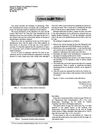
December 1996 in “Journal of Clinical Laser Medicine & Surgery” A doctor describes a new, less expensive method for treating skin issues with a laser, and another doctor corrects a false claim about hair transplantation results.
 November 2023 in “Dermatologic Surgery”
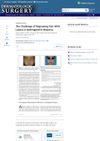
 Lasers might help regrow hair in people with hair loss due to genetics.
 March 2026 in “Research Square”
 Polymer dot nanozymes and exosomes, with laser stimulation, speed up wound healing.
 March 2024 in “Journal of Cosmetic Dermatology”
 Laser-pretreated blood for hair loss treatment was more effective and increased stem cells.
1 citations
,
January 1987 Low-output laser irradiation can stimulate or inhibit biological processes depending on the dose.
 58 citations
,
March 1985 in “Journal of The American Academy of Dermatology”
58 citations
,
March 1985 in “Journal of The American Academy of Dermatology” The document concludes that electrolysis and thermolysis can permanently remove hair but calls for better regulation to ensure safety, and notes a possibility of hair regrowth and rare complications.
 June 2022 in “World Journal Of Advanced Research and Reviews”
 Low-level laser therapy can significantly regrow hair in alopecia areata.
September 2015 in “Photodiagnosis and Photodynamic Therapy” January 2019 in “The Journal of Korean Medicine Ophthalmology and Otolaryngology and Dermatology” Low-level laser therapy for hair loss shows promise but needs more reliable studies.
 March 2026 in “Revista Ibero-Americana de Humanidades, Ciências e Educação”
 L-PRF effectively improved healing and bone integration in dental implant surgery.
1 citations
,
January 2009 in “Elsevier eBooks” Lasers can reduce hair growth but may also damage skin.
 50 citations
,
December 2010 in “Dermatologic Surgery”
50 citations
,
December 2010 in “Dermatologic Surgery” Laser treatment can stimulate hair growth for male pattern hair loss.
 January 2024 in “Journal of Cosmetic Dermatology”
 The 1565 nm non-ablative fractional laser is more effective and satisfying than 5% minoxidil for treating hair loss.
 August 2025 in “Journal of Cosmetic Dermatology”
 Topical treatments and lasers can improve axillary hyperpigmentation, but no best method is established yet.
 32 citations
,
January 2010 in “Dermatology”
32 citations
,
January 2010 in “Dermatology” Combining laser hair removal with topical eflornithine is recommended for better results in treating unwanted facial hair.
February 2016 in “Seoul National University Open Repository (Seoul National University)” Photodynamic therapy can temporarily remove nonpigmented hair but is less effective than lasers for black hair.
29 citations
,
September 2008 in “Dermatologic Therapy” Lasers and light sources are effective for removing unwanted hair.
January 2018 in “Archives of dermatology and skin care” Low level laser therapy may promote hair growth for patterned hair loss, but more research is needed.
 August 2023 in “International Journal of Nanomedicine”
 A new wound healing treatment using a graphene-based material with white light speeds up healing and reduces infection and scarring.
January 2016 in “한국공업화학회 연구논문 초록집” The nanoparticles show promise for cancer treatment and diagnosis with fewer side effects.