 September 2019 in “The journal of investigative dermatology/Journal of investigative dermatology”
 Not having enough cystatin M/E protein causes less hair growth and dry skin.
35 citations
,
November 1989 in “Journal of steroid biochemistry/Journal of Steroid Biochemistry” Epitestosterone may act as a weak antiandrogen and can inhibit an enzyme involved in testosterone metabolism.
 5 citations
,
March 2005 in “Journal of The American Academy of Dermatology”
5 citations
,
March 2005 in “Journal of The American Academy of Dermatology”  5 citations
,
June 2015 in “Journal of dermatology”
5 citations
,
June 2015 in “Journal of dermatology” A woman and her daughter had thallium poisoning from a herbal drink and rodenticide, causing hair loss and other symptoms.
 12 citations
,
September 2018 in “International Journal of Cosmetic Science”
12 citations
,
September 2018 in “International Journal of Cosmetic Science” Palmitoyl tetrapeptide-20 may help reduce hair greying and increase melanin production.
 1 citations
,
October 2021 in “Benha Journal of Applied Sciences”
1 citations
,
October 2021 in “Benha Journal of Applied Sciences” People with acne have a different balance of certain antioxidants in their blood compared to healthy individuals.
 249 citations
,
April 2002 in “The FASEB journal”
249 citations
,
April 2002 in “The FASEB journal” Human skin can make serotonin and melatonin.
 1 citations
,
July 2022 in “Han'gug sigpum yeong'yang gwahag hoeji/Journal of the Korean society of food science and nutrition”
1 citations
,
July 2022 in “Han'gug sigpum yeong'yang gwahag hoeji/Journal of the Korean society of food science and nutrition” Eurycoma longifolia extract may help increase testosterone levels and reduce andropause symptoms.
 November 2022 in “Journal of Investigative Dermatology”
 Blocking mTORC1 activity could increase hair pigmentation and potentially reverse greying.
 November 2022 in “Journal of Investigative Dermatology”
 The document concludes that a new method has been developed to test anti-aging substances on human skin, showing that these substances can reduce skin aging signs.
May 2025 in “Cellular Signalling” Oxidative stress and mitophagy play key roles in hair loss, suggesting potential treatment targets.
33 citations
,
August 1993 in “FEBS Letters” A new enzyme in rats may help regulate hair growth.
Keratinocytes can reduce the survival of certain melanoma cells, suggesting new therapy paths.
 December 2023 in “Benha Journal of Applied Sciences”
 AGEs and their receptors play a significant role in hair loss by causing inflammation and oxidative stress.
42 citations
,
February 1996 in “Journal of Investigative Dermatology” Polyamines, especially spermidine, are essential for hair growth.
 September 2017 in “Journal of Investigative Dermatology Symposium Proceedings”
 Prostaglandin D2 increases testosterone production in skin cells through a process involving reactive oxygen species, which could be a new target for treating hair loss and other skin conditions driven by testosterone.
 9 citations
,
September 2017 in “Nanoscale Research Letters”
9 citations
,
September 2017 in “Nanoscale Research Letters” Graphene oxide helps deliver a skin healing agent over time, improving skin and hair follicle regeneration.
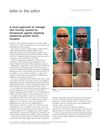 4 citations
,
March 2012 in “Annals of oncology”
4 citations
,
March 2012 in “Annals of oncology” New treatment with green tea polyphenols and nicotinamide improves skin problems from cancer therapy.
55 citations
,
January 2000 in “Cell biochemistry and function” Alopecia patients have lower antioxidants and higher lipid damage in their blood.
16 citations
,
September 2015 in “International Journal of Molecular Sciences” A specific gene variant causes severe skin issues and increases infection risk, requiring careful medical monitoring.
126 citations
,
November 1987 in “The Journal of Pediatrics” Selenium deficiency can cause skin and hair color loss, muscle weakness, and blood cell changes, but these improve with selenium supplements.
 1 citations
,
July 2022 in “Clinical and Experimental Dermatology”
1 citations
,
July 2022 in “Clinical and Experimental Dermatology” Amino acid supplements may not be necessary for all women with chronic hair loss.
 April 2023 in “Journal of Investigative Dermatology”
 Ganoderma lucidum extract can potentially reduce stress-induced hair loss by slowing down premature hair aging and removing harmful substances.
 6 citations
,
May 2009 in “Cell transplantation”
6 citations
,
May 2009 in “Cell transplantation” Green tea component EGCG helps keep rat skin grafts viable longer.
Lysine carboxymethyl cysteinate (LCC) protects skin from UVB damage by activating autophagy.
5 citations
,
July 1996 in “Journal of Cutaneous Medicine and Surgery” TTD patients don't have a higher skin cancer risk because their main issue is with transcription, not DNA repair.
 October 2023 in “International Journal of Pharmaceutics”
 Using minoxidil with tocopherol acetate in ethosomes improves hair regrowth in hair loss treatment.
2 citations
,
June 2016 in “International journal of experimental pathology” Human skin has less GDNF and its receptor with age.
 December 2025 in “Scientific Reports”
 α-Mangostin can naturally lighten skin by reducing melanin.