1 citations
,
April 2024 in “JDDG Journal der Deutschen Dermatologischen Gesellschaft” Tislelizumab can cause cutaneous lupus erythematosus.
 3 citations
,
February 2005 in “Lung Cancer”
3 citations
,
February 2005 in “Lung Cancer” The new chemotherapy combination for advanced lung cancer showed a 35.7% response rate but caused significant side effects.
July 2024 in “Journal of Investigative Dermatology” INTASYL is a promising, adaptable RNAi technology for treating skin cancers.
 1 citations
,
December 2021 in “Tropical Journal of Pharmaceutical Research”
1 citations
,
December 2021 in “Tropical Journal of Pharmaceutical Research” Kanglaite injection with chemotherapy improves treatment and reduces side effects for advanced lung cancer.
1 citations
,
May 2025 in “Journal of the European Academy of Dermatology and Venereology” Ritlecitinib and baricitinib are effective for alopecia areata, but more research is needed to determine which is better.
1 citations
,
April 2025 in “Experimental Dermatology” Topical ruxolitinib may help some skin conditions but needs more research for alopecia areata.
45 citations
,
October 2018 in “JCI Insight” Entospletinib effectively prevents eye and skin GVHD in mice.
 December 2025 in “Frontiers in Medicine”
 Ritlecitinib successfully treated a child's alopecia universalis after baricitinib failed.
 66 citations
,
December 2018 in “Dermatology”
66 citations
,
December 2018 in “Dermatology” Both ruxolitinib and tofacitinib are effective and safe for treating severe alopecia areata, but relapses are common.
116 citations
,
December 2003 in “Acta Dermato Venereologica” Iressa often causes skin issues like acne and dryness in lung cancer patients.
 15 citations
,
January 2024 in “The AAPS Journal”
15 citations
,
January 2024 in “The AAPS Journal” 50-mg ritlecitinib capsules are bioequivalent to 100-mg capsules.
1 citations
,
November 2025 in “Journal of the American Academy of Dermatology”  79 citations
,
September 2018 in “Dermatologic therapy”
79 citations
,
September 2018 in “Dermatologic therapy” Oral tofacitinib can significantly improve recalcitrant lichen planopilaris.
14 citations
,
August 2017 in “International Journal of Immunopathology and Pharmacology” Photodynamic therapy improved skin issues from sorafenib when other treatments failed.
July 2025 in “Journal of Investigative Dermatology” Ritlecitinib reduces alopecia areata symptoms by blocking JAK3/TEC signaling and T-cell activity.
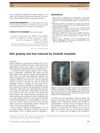 7 citations
,
December 2013 in “The Journal of Dermatology”
7 citations
,
December 2013 in “The Journal of Dermatology” A woman's hair turned gray and fell out after starting a cancer drug called imatinib mesylate.
January 2019 in “프로그램북(구 초록집)” Both tofacitinib and ruxolitinib are effective and tolerable for treating alopecia areata.
September 2025 in “Asian journal of pediatric dermatology.” Abrocitinib helped a 14-year-old girl with severe alopecia areata regrow her hair significantly.
36 citations
,
December 2021 in “The journal of allergy and clinical immunology/Journal of allergy and clinical immunology/The journal of allergy and clinical immunology” Two drugs, ritlecitinib and brepocitinib, improved scalp hair loss condition markers.
68 citations
,
January 2014 in “Dermatology research and practice” Skin side effects from cancer drugs targeting EGFR can affect treatment adherence but can be managed with antibiotics like tetracycline.
12 citations
,
May 2010 in “Journal of Clinical Oncology” MK-5108 is safe and shows potential against tumors, especially alone.
10 citations
,
September 2016 in “Journal of cutaneous medicine and surgery” Patients on dabrafenib and trametinib for melanoma often experience skin side effects.
January 2026 in “International Journal of Dermatology” Ritlecitinib helps hair regrowth and reduces emotional and functional burdens in alopecia areata.
 March 2025 in “SKIN The Journal of Cutaneous Medicine”
 Certain patient characteristics can help predict hair regrowth success with ritlecitinib in alopecia areata.
 1 citations
,
January 2023 in “Cutis”
1 citations
,
January 2023 in “Cutis” You might not need to stop cancer treatment if you get a rare skin reaction from EGFR inhibitors, as skin treatments can help manage it.
 June 2026 in “Journal of health economics and outcomes research”
 Ritlecitinib is more effective and cost-efficient than baricitinib for severe alopecia areata.
 44 citations
,
August 1996 in “Drugs & Aging”
44 citations
,
August 1996 in “Drugs & Aging” Mitoxantrone is effective for treating acute leukemia, especially in older patients, with a lower risk of heart damage.
 August 2013 in “Nature Reviews Drug Discovery”
 New cancer treatments show promise in reducing tumor growth and improving skin regeneration in mice.
2 citations
,
November 2025 in “Journal of the American Academy of Dermatology” Deuruxolitinib effectively regrows hair in adults with alopecia areata and is well tolerated.
6 citations
,
May 2013 in “Journal of Clinical Oncology” Combining Ficlatuzumab and Gefitinib can cause severe hair loss.