18 citations
,
February 2006 in “Genomics” A new genetic mutation in mice causes permanent hair loss and skin wrinkling.
1 citations
,
December 2024 in “Tissue Barriers” The epidermis is the stiffest skin layer.
 16 citations
,
August 2022 in “Nature Communications”
16 citations
,
August 2022 in “Nature Communications” ROR2 is essential for hair follicle stem cell renewal and maintenance.
 2 citations
,
July 2022 in “Dermatology Reports”
2 citations
,
July 2022 in “Dermatology Reports” EPDS and MS might share an immune-related cause.
 2 citations
,
May 2023 in “Journal of Advanced Research”
2 citations
,
May 2023 in “Journal of Advanced Research” Two mutations in KRT74 and EDAR genes cause sheep to have finer wool.
14 citations
,
November 2022 in “Development” Controlling transposable elements is crucial for successful tissue regeneration.
1 citations
,
January 2015 in “The Journal of Dermatology” Genetic testing is crucial for diagnosing and managing non-Herlitz junctional epidermolysis bullosa.
8 citations
,
January 2012 in “General and Comparative Endocrinology” 5α-Reductase helps regulate hormone action in toad testes, especially during breeding season.
June 2020 in “Zenodo (CERN European Organization for Nuclear Research)”  6 citations
,
October 2018 in “Bioelectromagnetics”
6 citations
,
October 2018 in “Bioelectromagnetics” Rice bran extract and low-frequency electromagnetic fields together may help treat vitiligo and white hair.
12 citations
,
January 2013 in “Indian dermatology online journal” Dermatopathia pigmentosa reticularis causes skin discoloration, hair loss, and nail problems.
September 2016 in “Medical Sains/Medical sains” Liquorice extract promotes hair growth in male rabbits, with 2.5% concentration being most effective.
 July 2026 in “International Journal of Drug Delivery Technology”
 The herbal emulgel with Piper betle leaf extract promotes hair growth and is safe for skin use.
September 2017 in “Zenodo (CERN European Organization for Nuclear Research)” Liquorice extract may help treat acne by reducing sebum production.
9 citations
,
November 2023 in “Pain Physician” ExoFlo is safe and effective for treating Complex Regional Pain Syndrome symptoms.

PmtHEE is a better model for studying pigmented skin because it includes melanocytes and shows improved cell differentiation.
 April 2019 in “Journal of Investigative Dermatology”
 Non-coding RNA boosts retinoic acid production and signaling, aiding regeneration.
 10 citations
,
July 2021 in “Archiv für Pathologische Anatomie und Physiologie und für Klinische Medicin”
10 citations
,
July 2021 in “Archiv für Pathologische Anatomie und Physiologie und für Klinische Medicin” LRIG1 is linked to better survival in Merkel cell carcinoma.
 February 2025 in “Journal of the European Academy of Dermatology and Venereology”
 Erosive pustular dermatosis of the scalp can occur about 17 weeks after starting EGFR inhibitors, and early minocycline may help manage it.
4 citations
,
May 2025 in “Journal of Controlled Release” 46 citations
,
May 2013 in “The journal of investigative dermatology/Journal of investigative dermatology” Significant progress was made in understanding PXE, but effective treatments are still needed.
August 2016 in “Journal of Investigative Dermatology” Activating Nrf2 can improve wound healing by increasing hair follicle stem cells.
30 citations
,
December 2021 in “Frontiers in Microbiology” Cepharanthine effectively reduces Herpes Simplex Virus Type 1 by blocking certain cell pathways and promoting cell death.
November 2024 in “DELOS Desarrollo Local Sostenible” Thunbergia grandiflora and Russelia equisetiformis help each other grow by changing their shapes.
January 2010 in “Acta Laboratorium Animalis Scientia Sinica” The UHS promoter is specific to mouse hair follicles.
 9 citations
,
November 2018 in “Journal of cosmetic dermatology”
9 citations
,
November 2018 in “Journal of cosmetic dermatology” Orobanche rapum extract rejuvenates skin and protects skin bacteria, leading to healthier skin.
25 citations
,
September 2005 in “Journal of the American Academy of Dermatology” Rapp-Hodgkin syndrome, AEC, and EEC are different expressions of the same genetic disorder caused by TP63 gene mutations.
 January 2023 in “Journal of cosmetic dermatology”
 The synthetic retinoid EC23 thickens skin and promotes hair growth more effectively and with a lower dose than natural retinoids.
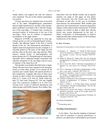 January 1999 in “Journal of the European Academy of Dermatology and Venereology”
 RAPK is a rare skin disorder with pigmented spots, mainly on hands and feet, starting in youth.
21 citations
,
June 2004 in “Experimental Dermatology” Ber‐EP4 marks cells related to the secondary hair germ in hair follicles.