 September 2023 in “International Journal of Dermatology”
 Younger people are at a higher risk for Fibrosing Alopecia in a Pattern Distribution than previously thought, with common symptoms and possible involvement of mast cells in its development.
 August 2023 in “International Journal of Dermatology”
 COVID-19 and its vaccines can cause various skin issues, with urticaria being the most common.
 July 2023 in “Journal of Clinical Medicine”
 The document concludes that understanding hair follicle histology and the hair cycle is crucial for diagnosing alopecia.
 April 2023 in “World Journal Of Advanced Research and Reviews”
 Cosmetic products or emotional factors might contribute to Frontal Fibrosing Alopecia, and trichoscopy is useful for diagnosis.
 April 2023 in “Journal of Investigative Dermatology”
 The study suggests fibrosing alopecia in a pattern distribution has distinct features and may vary by race.
 February 2023 in “Pakistan Journal of Medical and Health Sciences”
 Pregnancy can cause various skin changes, with stretch marks, dark lines on the abdomen, and skin darkening being the most common.
Treat active lichen planopilaris early to prevent permanent hair loss.
 January 2023 in “Skin appendage disorders”
 Hair loss is common in autoimmune diseases and can be an early sign of the condition, often requiring prompt treatment to prevent permanent damage.
Low-level laser therapy reduces symptoms and inflammation in frontal fibrosing alopecia.
 March 2022 in “Más dermatología”
 Chronic lupus and frontal fibrosing alopecia can occur together, but their connection is unclear.
January 2022 in “Clinical Cases in Dermatology” A 47-year-old man was diagnosed with a specific type of hair loss and advised to use certain medications and avoid hair transplants.
October 2021 in “European journal of cancer” Repeated biopsies are crucial for managing lupus panniculitis when initial treatments fail.
 March 2021 in “CRC Press eBooks”
 Trichoscopy helps tell apart Lichen planopilaris and Frontal fibrosing alopecia from other hair loss conditions.
December 2020 in “Forum Dermatologicum” Intralesional triamcinolone acetonide can effectively limit the progression of GLPLS.
 March 2020 in “Clinical research in dermatology”
 Two unusual cases showed that Lichen Planopilaris can look like other skin conditions and need early treatment to protect hair.
 January 2020 in “Clinical Case Reports and Reviews”
 Lupus and frontal fibrosing alopecia may share a common cause.
A 2-year-old boy with a rare type of lupus causing hair loss improved with oral steroids.
 January 2019 in “Elsevier eBooks”
 Early detection and skin biopsies are crucial for treating skin cancer and diagnosing various skin conditions.
January 2019 in “International Journal of Clinical & Medical Images” The patient showed signs of liver disease due to alcohol use but didn't need treatment for Dupuytren’s contracture.
A 21-year-old with lichen planopilaris was successfully treated, stopping disease progression and preventing crusts.
 July 2018 in “Elsevier eBooks”
 Lichen Planopilaris is a hair loss condition best treated early with various medications, including hydroxychloroquine, to prevent permanent baldness.

Delonix polymeric nanoparticles with isotretinoin effectively treat acne by targeting hair follicles and reducing skin irritation.
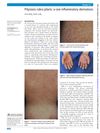 February 2018 in “BMJ case reports”
 An 18-year-old woman was diagnosed with a rare skin condition called Pityriasis rubra pilaris.
 January 2018 in “Springer eBooks”
 Trichotillomania is a condition where people repeatedly pull out their hair, which can be triggered by stress and has various physical signs.
 January 2018 in “Elsevier eBooks”
 The document concludes that alopecia has various forms, each with specific treatments, but no definitive cure for certain types like CCCA has been proven.
 January 2018 in “Elsevier eBooks”
 The document concludes that proper diagnosis and treatment of follicular disorders are crucial, with specific treatments for conditions like acne, drug-induced eruptions, and rosacea.
January 2018 in “프로그램북(구 초록집)” Botulinum toxin type A is a safe and effective treatment for male pattern baldness.
 September 2017 in “Journal of Investigative Dermatology”
 Thermal imaging is a useful non-invasive method to diagnose active inflammation in frontal fibrosing alopecia.
 September 2017 in “Journal of Investigative Dermatology”
 The study found that sweat glands normally suppress immune responses, but this is disrupted in certain skin diseases, possibly contributing to their development.
July 2017 in “Chinese Journal of Dermatology” Dermoscopy is effective in diagnosing facial actinic keratosis using specific features.