 January 2026 in “Frontiers in Medicine”
 Alopecia areata in Taiwan has a high disease burden and needs better research and diagnostic criteria.
 July 2025 in “Berkala Ilmu Kesehatan Kulit dan Kelamin”
 Alopecia areata in children shows varied symptoms and may involve nails, needing further evaluation for other health issues.
 September 2024 in “South Eastern European Journal of Public Health”
 Alopecia areata patients have higher IgE and IL-13 levels, suggesting immune involvement.
 September 2024 in “Archives of Medical Science”
 Alopecia areata is linked to immune system differences, with specific biomarkers like CXCL9 and CXCL10 being key for diagnosis and potential treatment targets.
Four genes are linked to alopecia areata, with two increasing risk and two offering protection.
 April 2024 in “Frontiers in medicine”
 Alopecia Areata significantly lowers quality of life and current treatments are inadequate, highlighting a need for better therapies and standardized treatment protocols.
 April 2024 in “Dermatology and therapy”
 In Denmark from 1995 to 2016, hospital-treated alopecia areata cases increased, mostly affecting women and those over 50.
 November 2023 in “Research Portal Denmark”
 Baricitinib shows promise for severe alopecia areata but isn't a cure and has side effects.
 October 2023 in “Frontiers in medicine”
 Comprehensive screening for infections is crucial before starting JAK inhibitors in alopecia areata patients.
 August 2023 in “Sabuncuoglu Serefeddin Health Sciences”
 CT60 polymorphism might increase the risk of Alopecia Areata.
 July 2023 in “Dermatology and therapy”
 People with alopecia areata may have a higher risk of blood clots.
 January 2023 in “Research Square (Research Square)”
 Blacks and Hispanics have higher chances of alopecia areata than Whites.
 January 2023 in “International Journal of Zoological Investigations”
 Certain genetic variations in IL-16 may increase the risk of alopecia areata.
 November 2022 in “SAS journal of medicine”
 There's no link between low iron levels and the hair loss condition, alopecia areata.
 August 2022 in “Revista de la Universidad Industrial de Santander/Salud UIS”
 Stress-related hair loss was reversed with a special medication.
Alopecia Areata has no cure, treatments are limited, and the condition often recurs, but new therapies like JAK inhibitors show promise.
 July 2013 in “Our Dermatology Online”
 Minoxidil 2% is more effective than tacrolimus 0.1% for hair regrowth in mild to moderate patchy hair loss, and combining both might give better results.
 January 2005 in “Elektronische Hochschulschriften der LMU München (Ludwig-Maximilians-Universität München)”
 Topical immunotherapy with DPCP is most effective for certain alopecia areata types, with success linked to age and disease duration, and influenced by a gene polymorphism.
 56 citations
,
January 2021 in “Clinical and Experimental Medicine”
56 citations
,
January 2021 in “Clinical and Experimental Medicine” The document concludes that while there are various treatments for Alopecia Areata, there is no cure, and individualized treatment plans are essential due to varying effectiveness.
 42 citations
,
November 2018 in “Archives of dermatological research”
42 citations
,
November 2018 in “Archives of dermatological research” Apremilast was not effective in treating moderate-to-severe alopecia areata.
 16 citations
,
January 2015 in “Current problems in dermatology”
16 citations
,
January 2015 in “Current problems in dermatology” Alopecia Areata is an autoimmune hair loss condition that needs more research for better treatments.
 2 citations
,
November 2020 in “Der Hautarzt”
2 citations
,
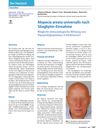
November 2020 in “Der Hautarzt” A patient's hair loss may be linked to their diabetes medication, Sitagliptin.
 September 2025 in “Dermatology and Therapy”
 Baricitinib is a promising treatment for alopecia areata in the UAE, but there are challenges with data and access.
Screening for iron levels in patients with hair loss may help find a genetic iron overload condition early.
 January 2021 in “Online Publication Service of Würzburg University (Würzburg University)”
 Diphenylcyclopropenon treatment for Alopecia areata is effective and safe, improving patients' quality of life.
 June 2026 in “Indian Journal of Dermatology Venereology and Leprology”
 Scalp discoid lupus erythematosus shows two distinct patterns in skin of color.
 144 citations
,
September 2006 in “Clinics in Dermatology”
144 citations
,
September 2006 in “Clinics in Dermatology” Lupus affects the body and skin, causing joint pain and skin issues that can be treated with steroids and antimalarial drugs.
 87 citations
,
July 2012 in “Expert Review of Clinical Immunology”
87 citations
,
July 2012 in “Expert Review of Clinical Immunology” Pregnancy can increase lupus activity, but careful planning and treatment can improve outcomes.
 44 citations
,
August 2010 in “Lupus”
44 citations
,
August 2010 in “Lupus” Lupus can affect the scalp and nails, often causing hair loss and nail damage, and needs early aggressive treatment to prevent permanent damage.
 33 citations
,
January 2011 in “Elsevier eBooks”
33 citations
,
January 2011 in “Elsevier eBooks” Systemic Lupus Erythematosus has varied symptoms and is hard to diagnose, affecting many body parts and requiring careful clinical judgment.