 August 2018 in “Journal of The American Academy of Dermatology”
 A 5-year-old girl with a rare skin disorder was effectively treated with skin creams instead of oral medication.
 August 2018 in “Journal of The American Academy of Dermatology”
 A 54-year-old man with painful skin blisters and fever was diagnosed with Sweet syndrome and successfully treated with corticosteroids.
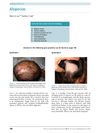 February 2013 in “Archives of Disease in Childhood: Education & Practice”
 Different types of alopecia in children require specific diagnoses and treatments.
 November 2009 in “Reactions Weekly”
 Two women lost hair after mesotherapy for hair loss, with one having permanent and the other temporary hair loss.
March 2025 in “NATIONS UNIVERSITY INTERNATIONAL JOURNAL OF MULTI-DISCIPLINARY STUDIES” Baricitinib effectively improved skin and hair conditions in a patient with alopecia areata and atopic dermatitis.
 July 2021 in “British Journal of Dermatology”
 Low testosterone levels may contribute to female pattern hair loss in men.
56 citations
,
March 2017 in “Journal of the American Academy of Dermatology” Alopecia areata patients often have eczema, thyroid issues, vitamin-D deficiency, and anemia.
 42 citations
,
October 2012 in “Dermatologic Clinics”
42 citations
,
October 2012 in “Dermatologic Clinics” Trichoscopy is a useful tool for diagnosing different hair and scalp diseases without surgery.
 35 citations
,
May 2012 in “Expert Opinion on Pharmacotherapy”
35 citations
,
May 2012 in “Expert Opinion on Pharmacotherapy” The document concludes that there are various treatments for different types of alopecia, but more research is needed for evidence-based treatments.
32 citations
,
December 2017 in “Journal of the American Academy of Dermatology” Alopecia areata patients often have low vitamin D levels.
 17 citations
,
May 2016 in “Archives of Dermatological Research”
17 citations
,
May 2016 in “Archives of Dermatological Research” Reflectance confocal microscopy can help tell apart scarring from non-scarring hair loss.
13 citations
,
May 2023 in “Journal of Dermatological Science” Reduced SIRT1 in hair cells may cause alopecia areata by triggering immune responses.
 12 citations
,
October 2016 in “Anais Brasileiros de Dermatologia”
12 citations
,
October 2016 in “Anais Brasileiros de Dermatologia” Frontal Fibrosing Alopecia may be linked to autoimmune diseases like Sjögren's syndrome.
9 citations
,
July 2016 in “JAAD case reports” Denosumab treatment for osteoporosis can cause hair loss.
 8 citations
,
January 1989 in “Annual Reports in Medicinal Chemistry”
8 citations
,
January 1989 in “Annual Reports in Medicinal Chemistry” Hair loss from alopecia areata and androgenetic alopecia can be treated, but more effective and safer treatments are needed.
5 citations
,
September 2022 in “Frontiers in Nutrition” Gut bacteria differences may help diagnose and treat Alopecia areata.
5 citations
,
December 2024 in “Journal of Cosmetic Dermatology” Vitamin D and zinc may help treat alopecia areata.
5 citations
,
February 2024 in “Journal of Investigative Dermatology” Alopecia areata patients have fewer protective regulatory B cells, which may contribute to the disease.
3 citations
,
January 2011 in “International journal of trichology” Low DHEA-S levels might be linked to alopecia areata and could be a potential treatment target.
2 citations
,
March 2025 in “Quantitative Imaging in Medicine and Surgery” Altered hypothalamic activity may contribute to stress in alopecia areata patients.
1 citations
,
December 2018 in “Indian journal of paediatric dermatology” Kids with alopecia areata had lower vitamin D levels than healthy kids.
 January 2025 in “Indian Journal of Paediatric Dermatology”
 Vitamin D deficiency is common in children with and without alopecia areata, and more research is needed.
 January 2022 in “Consultant”
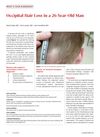
 The man's occipital hair loss was due to temporal triangular alopecia, not alopecia areata.
 February 2021 in “Cureus”
 A woman's hair loss was initially misdiagnosed as scarring hair loss but was actually a treatable autoimmune hair loss.
 April 2026 in “Indian Journal of Dermatology”
 PRP and IT are equally effective for treating localized alopecia areata, but PRP causes more pain and bleeding.
July 2025 in “Journal of Investigative Dermatology” Leflunomide may reduce the risk of alopecia areata, while methotrexate, cyclosporine, and rituximab may increase it.
 June 2024 in “Indian Dermatology Online Journal”
 Topical tofacitinib is effective and safe for treating alopecia areata.
 July 2023 in “Health science reports”
 Alopecia Areata is linked to a higher risk of several diseases, which vary with age and sex.
 April 2023 in “The journal of investigative dermatology/Journal of investigative dermatology”
 People with alopecia areata have fewer IL-10 producing immune cells, which might contribute to the condition.
 April 2023 in “Revista colombiana de reumatología”
 JAK inhibitors like tofacitinib can effectively treat severe alopecia areata.