 4 citations
,
March 2006 in “Journal of renal nutrition”
4 citations
,
March 2006 in “Journal of renal nutrition” Dialysis patients benefit from water-soluble vitamins but need careful management to avoid risks.
9 citations
,
February 2002 in “PubMed” A new gene mutation causes hereditary coproporphyria with reduced enzyme activity.
5 citations
,
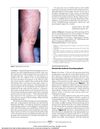
April 1984 in “Archives of Dermatology” Porphyria cutanea tarda causes skin issues due to an enzyme deficiency.
 10 citations
,
June 2011 in “Archives of Dermatology”
10 citations
,
June 2011 in “Archives of Dermatology” Finasteride caused blisters on hands and feet.
19 citations
,
December 1999 in “International Journal of Dermatology” Dihydroxyacetone in self-tanning lotion helped reduce sun-related skin issues in a woman with variegate porphyria.
September 2014 in “Emergency Medicine News” The man's skin condition improved with sun protection and topical steroids, but UV exposure still caused flare-ups.
 38 citations
,
March 2010 in “Medicine”
38 citations
,
March 2010 in “Medicine” Most patients with Porphyria Cutanea Tarda had skin blisters and were often affected by hepatitis C and alcohol abuse, with differences between familial and sporadic cases.
September 2013 in “Serbian Journal of Dermatology and Venerology” Stopping oral contraceptives improved symptoms of porphyria cutanea tarda in a young woman.
12 citations
,
January 2013 in “Indian dermatology online journal” Dermatopathia pigmentosa reticularis causes skin discoloration, hair loss, and nail problems.
2 citations
,
February 2000 in “International Journal of Dermatology” Hepatitis C and alcohol abuse may lead to porphyria cutanea tarda.
September 2016 in “European Journal of Pediatric Dermatology/PD. European journal of pediatric dermatology” Ulerythema ophryogenes causes hair thinning and inflammation, with limited treatment options.
January 2011 in “Journal of the American Academy of Dermatology” Finasteride may cause pseudoporphyria, a blistering skin condition.
63 citations
,
January 1971 in “Acta Medica Scandinavica” Replenishing iron after phlebotomy can cause relapse in porphyria cutanea tarda.
4 citations
,
April 2019 in “JAAD Case Reports” DPR can cause skin, hair, and nail issues, sometimes appearing later in life.
 2 citations
,
August 2013 in “British Journal of Dermatology”
2 citations
,
August 2013 in “British Journal of Dermatology” Chemotherapy improved a girl's painful foot condition linked to pachyonychia congenita.
November 2025 in “JDDG Journal der Deutschen Dermatologischen Gesellschaft” Restoring phenylalanine levels improved skin and hair symptoms in a PKU infant.
 6 citations
,
January 2014 in “Clinical hemorheology and microcirculation”
6 citations
,
January 2014 in “Clinical hemorheology and microcirculation” Hereditary elliptocytosis causes elongated red blood cells and can lead to mild or no symptoms.
13 citations
,
July 2016 in “Indian Journal of Dermatology” DPR can show different hair characteristics, as seen in two brothers with normal hair.
 January 2025 in “JCEM Case Reports”
 Enzyme replacement therapy may help alleviate symptoms in complex cases like this.
Regular monitoring helps manage porphyria cutanea tarda effectively.
November 2025 in “Journal of Investigative Dermatology” A new genetic mutation causing Xeroderma Pigmentosum was found in an 8-year-old girl, affecting her DNA repair.
 May 2017 in “Journal of The American Academy of Dermatology”
 A woman with a skin disorder was found to have hepatitis C, which may be linked, and was safely treated with methotrexate.
PNH can occur in patients with SLE, so doctors should be aware of this.
 10 citations
,
October 2015 in “Journal of the International Association of Providers of AIDS Care”
10 citations
,
October 2015 in “Journal of the International Association of Providers of AIDS Care” A woman with HIV had a severe skin condition that improved with antiretroviral therapy.
 January 2023 in “Indian dermatology online journal”
 A boy with Pachyonychia congenita has a confirmed gene mutation, highlighting the need for a local genetic database in India.
 4 citations
,
December 2013 in “The Journal of Dermatology”
4 citations
,
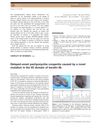
December 2013 in “The Journal of Dermatology” A new mutation in the K6b gene caused a girl's late-appearing nail condition.
10 citations
,
September 1994 in “International Journal of Dermatology” Three Iranian men had reddish-brown facial pigmentation with no effective treatment.
74 citations
,
July 1995 in “PubMed” Lowering homocyst(e)ine levels can reverse skin and hair lightening by restoring enzyme activity needed for pigmentation.
 1 citations
,
December 2023 in “Curēus”
1 citations
,
December 2023 in “Curēus” Most children with a common hemochromatosis genotype had elevated iron levels but no severe symptoms.
 July 2018 in “Nasza Dermatologia Online”
 Frontal fibrosing alopecia and ulerythema ophryogenes may be related and can evolve from one to the other.