 7 citations
,
April 2009 in “Bioorganic & Medicinal Chemistry Letters”
7 citations
,
April 2009 in “Bioorganic & Medicinal Chemistry Letters” Diphenyl ethers can potentially reduce excess oil production when applied on the skin, helping treat conditions like acne.
7 citations
,
March 2005 in “International Journal of Cosmetic Science” Menopause reduces hair quality, but hormone therapy can help improve it.
7 citations
,
February 1962 in “Experimental Biology and Medicine” Male and female mice have different lipid compositions in their skin during hair growth cycles.
 6 citations
,
February 2021 in “Frontiers in Cell and Developmental Biology”
6 citations
,
February 2021 in “Frontiers in Cell and Developmental Biology” Eating too much or too little vitamin A can cause hair loss.
 6 citations
,
August 2013 in “Fertility and Sterility”
6 citations
,
August 2013 in “Fertility and Sterility” Eating cream can increase ovarian androgen production in women with Polycystic Ovary Syndrome, which is not related to obesity.
6 citations
,
November 1960 in “Experimental Biology and Medicine” Hair growth stages don't significantly change lipid content in mouse skin.
 5 citations
,
September 2011 in “Bioorganic & Medicinal Chemistry Letters”
5 citations
,
September 2011 in “Bioorganic & Medicinal Chemistry Letters” Pfizer found that pantolactam-based compounds can reduce sebum (skin oil) production when applied topically.
 5 citations
,
January 2005 in “Journal of Enzyme Inhibition and Medicinal Chemistry”
5 citations
,
January 2005 in “Journal of Enzyme Inhibition and Medicinal Chemistry” New steroids were effective in blocking male hormone receptors in hamster prostates.
5 citations
,
January 1961 in “PubMed” Cholesterol and phospholipids increase in mouse skin during cancer development, with differences between male and female skin.
3 citations
,
June 2024 in “Skin Research and Technology” Higher LDL lipids may increase alopecia areata risk, while higher triglycerides may decrease it.
2 citations
,
February 1983 in “International Journal of Cosmetic Science” Selenium disulphide detergents increase hair oiliness by boosting some lipids and reducing fatty acids.
 1 citations
,
December 2022 in “bioRxiv (Cold Spring Harbor Laboratory)”
1 citations
,
December 2022 in “bioRxiv (Cold Spring Harbor Laboratory)” Pangolins have lost some skin-related genes, but kept others, showing complex skin evolution.
 1 citations
,
October 2017 in “ecancermedicalscience”
1 citations
,
October 2017 in “ecancermedicalscience” Breast cancer alters specific molecular structures in hair, which revert after cancer removal.
1 citations
,
January 2019 in “Archives of Clinical and Medical Case Reports” Changing hair's surface and structure can help protect its natural oils from being washed away.
July 2026 in “Materials Today Bio” The hydrogel helps diabetic wounds heal better with less scarring.
 November 2025 in “Zenodo (CERN European Organization for Nuclear Research)”
 Croton tiglium Linn. may promote hair growth but needs careful use due to toxicity.
 November 2025 in “Zenodo (CERN European Organization for Nuclear Research)”
 Croton tiglium Linn. may promote hair growth but needs careful detoxification due to its toxicity.
 May 2024 in “Journal of medicinal food”
 Jojoba oil has many uses beyond skincare, including health benefits and pharmaceutical applications.
November 2023 in “Cosmetics” Rice derivatives in conditioners protect and improve hair health.
 June 2023 in “Journal of biological chemistry/The Journal of biological chemistry”
 Sdr16c5 and Sdr16c6 genes regulate a key point in lipid production that affects eye and skin gland function.
 April 2018 in “Journal of Investigative Dermatology”
 Sensitive scalp has higher pH, more redness, abnormal sebum, and altered bacterial makeup.
April 2018 in “Journal of Investigative Dermatology” Mutations in Far2 mice cause hair loss due to sebaceous gland issues.
 April 2016 in “Journal of The American Academy of Dermatology”
 Daylight photodynamic therapy is effective and well-tolerated for treating actinic keratoses with minimal side effects.
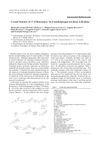 February 1999 in “Analytical Sciences”
 A new antiandrogen compound was made and its detailed three-dimensional shape was described.
December 2025 in “Medicine” Glutamine may protect against alopecia areata, while certain cholesterol and glucose levels may increase risk.
 March 2018 in “International Pharmacy Acta”
 New niosomal formulation effectively delivers aminexil through rat skin.
 451 citations
,
March 2005 in “Endocrine Reviews”
451 citations
,
March 2005 in “Endocrine Reviews” The enzyme steroid sulfatase is linked to breast cancer and other conditions, and inhibitors are being developed for treatment.
275 citations
,
November 2002 in “International Journal of Dermatology” Alopecia areata mainly affects young people and has significant psychological impacts, especially in males.
71 citations
,
December 2013 in “The journal of investigative dermatology. Symposium proceedings/The Journal of investigative dermatology symposium proceedings” There are no FDA-approved treatments for Alopecia Areata, and current options have varying success and relapse rates.
60 citations
,
September 2001 in “British journal of dermatology/British journal of dermatology, Supplement” Topical contact sensitizers can treat certain skin conditions by changing the immune response.