 40 citations
,
March 1982 in “British Journal of Dermatology”
40 citations
,
March 1982 in “British Journal of Dermatology” Young women with diffuse hair loss may have low SHBG levels, which could lead to more active testosterone and contribute to their hair loss.
August 2026 in “Cosmoderma” Hormonal imbalances significantly affect skin disorders like acne, and treatments are focusing on hormonal and metabolic adjustments.
 305 citations
,
February 2007 in “Hormone and metabolic research”
305 citations
,
February 2007 in “Hormone and metabolic research” Human skin makes sexual hormones that affect hair growth, skin health, and healing; too much can cause acne and hair loss, while treatments can manage these conditions.
 64 citations
,
June 1992 in “International Journal of Dermatology”
64 citations
,
June 1992 in “International Journal of Dermatology” Pregnancy often causes skin changes like darkening, stretch marks, and hair growth, which may improve after childbirth.
 March 2010 in “Ejc Supplements”
 ROR-alpha may increase the growth of certain breast cancer cells by boosting aromatase, which could affect breast cancer prognosis.
December 2002 in “대한피부과학회지” Higher androgen receptor levels in bald areas may cause hair loss, while estrogen receptors have less impact.
65 citations
,
May 2006 in “Journal of Investigative Dermatology” Dexamethasone may influence hair growth by altering estrogen receptor activity in hair cells.
24 citations
,
January 2011 in “Sexual Development” Intersex frogs have different brain gene activity related to sex and thyroid hormones.
Finasteride may affect female fertility by altering gene activity.
 10 citations
,
December 2017 in “Chemosphere”
10 citations
,
December 2017 in “Chemosphere” Bisphenol-A (BPA) increases connections between brain cells and boosts their activity, but it blocks the effects of a male hormone on brain cell plasticity.
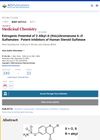 37 citations
,
September 2003 in “Journal of Medicinal Chemistry”
37 citations
,
September 2003 in “Journal of Medicinal Chemistry” A substance called Compound 2g can strongly block STS (a hormone-related enzyme) without affecting estrogen levels, making it potentially good for treating breast cancer.
38 citations
,
May 2010 in “American Journal Of Pathology” 17β-Estradiol slows wound healing in male mice through estrogen receptor-α.
43 citations
,
January 2006 in “PubMed” Androgens and estrogens are crucial for male reproductive health, affecting hormone levels and tissue function.
41 citations
,
July 2001 in “PubMed” Estrogens can reduce DHT production in hair follicles, but are less effective than finasteride and progesterone.
 12 citations
,
October 2004 in “Experimental Gerontology”
12 citations
,
October 2004 in “Experimental Gerontology” Changes in testosterone and estrogen receptor genes can affect how men age, influencing body fat, hair patterns, and possibly leading to skin disorders.
 March 2026 in “Scientific Reports”
 Ferulic acid may help hair grow by activating certain receptors in cells.
 39 citations
,
August 2004 in “International journal of gynaecology and obstetrics”
39 citations
,
August 2004 in “International journal of gynaecology and obstetrics” Finasteride and CPA-EE2 equally reduce hirsutism, but affect hormone levels differently.
September 2013 in “Serbian Journal of Dermatology and Venerology” Stopping oral contraceptives improved symptoms of porphyria cutanea tarda in a young woman.
56 citations
,
March 2003 in “Journal of Investigative Dermatology” 17β-estradiol can reduce inflammation in the skin.
 37 citations
,
October 2006 in “Steroids”
37 citations
,
October 2006 in “Steroids” New sulfur-containing steroid analogs show promise for more targeted medical treatments.
 August 2025 in “Nutrients”
 Ageratum conyzoides extract promotes hair growth and regrowth.
 January 2025 in “Medical Research Archives”
 Sex hormones are crucial for healthy skin and managing skin conditions.
 January 2017 in “Elsevier eBooks”
 Stress and hormones like progesterone can affect absence seizures, but their effects change with different life stages.

Androgenetic alopecia, or hair loss, is caused by genetic factors and hormones, with different mechanisms in men and women, and can be linked to insulin resistance and polycystic ovary syndrome.
 451 citations
,
March 2005 in “Endocrine Reviews”
451 citations
,
March 2005 in “Endocrine Reviews” The enzyme steroid sulfatase is linked to breast cancer and other conditions, and inhibitors are being developed for treatment.
 November 2018 in “Springer eBooks”
 Finasteride and minoxidil are effective, low-risk treatments for male hair loss, and patient education on these therapies is important.
219 citations
,
January 2006 in “Drug Metabolism Reviews” DHEA affects multiple receptors and may help with metabolic issues, but its safety and effectiveness in humans are unclear.
 197 citations
,
January 2019 in “Neuropsychopharmacology”
197 citations
,
January 2019 in “Neuropsychopharmacology” Male and female bodies respond differently to stress, influenced by hormones and development stages, with implications for stress-related diseases.
108 citations
,
April 2004 in “Medicinal Research Reviews” Steroid sulfatase inhibitors could help treat hormone-related disorders and cancers.
 76 citations
,
November 2009 in “Medical Clinics of North America”
76 citations
,
November 2009 in “Medical Clinics of North America” Hormones, especially androgens, play a key role in acne, which can be a symptom of systemic diseases like PCOS and may require targeted treatment.