Doctors recommend postoperative radiation for male breast cancer, advise against testosterone for vasomotor symptoms post-adrenalectomy, suggest non-hormonal treatments for atrophic vaginitis after mastectomy, note no specific treatment for anticoagulant-induced hair loss, and call for more research on silicosis from silicon carbide exposure.
 25 citations
,
May 2003 in “Expert Opinion on Therapeutic Patents”
25 citations
,
May 2003 in “Expert Opinion on Therapeutic Patents” Steroid Sulfatase inhibitors show promise in treating hormone-dependent disorders like cancers, hair loss, and acne, with 667COUMATE being a potential candidate for breast cancer treatment trials.
 May 2013 in “Springer eBooks”
 Skin problems in the elderly are unique and may indicate other diseases, involving changes in skin, hair, nails, and increased cancer risk.
 17 citations
,
June 2018 in “Sexual Medicine Reviews”
17 citations
,
June 2018 in “Sexual Medicine Reviews” The document concludes that non-operative treatment for gender dysphoria is safe and effective, and hormone therapy does not increase cancer risk.
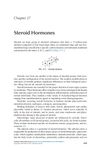 3 citations
,
January 2016 in “Elsevier eBooks”
3 citations
,
January 2016 in “Elsevier eBooks” Steroid hormones are crucial for body functions and have various medical uses, but their misuse can lead to dependence.
 March 2026 in “International Journal of Pharmacology”
 Flaxseed lignans may reduce breast cancer risk in women.
 187 citations
,
December 2005 in “Experimental Dermatology”
187 citations
,
December 2005 in “Experimental Dermatology” Estrogens can improve skin aging but carry risks; more research is needed on safer treatments.
 159 citations
,
July 2006 in “Endocrine Reviews”
159 citations
,
July 2006 in “Endocrine Reviews” Estrogens significantly influence hair growth by interacting with receptors in hair follicles and may help regulate the hair growth cycle.
 88 citations
,
February 2008 in “Journal of Medicinal Chemistry”
88 citations
,
February 2008 in “Journal of Medicinal Chemistry” Scientists made the first metal-based compounds from a nonsteroidal antiandrogen drug, which showed potential in fighting both hormone-dependent and independent prostate cancer cells.
 402 citations
,
August 2011 in “Cancer research”
402 citations
,
August 2011 in “Cancer research” Prostate cancer cells can make their own androgens to activate the androgen receptor, and treatments like abiraterone may increase this ability, suggesting new therapies should target the entire steroid-making pathway.
 December 2016 in “University of Birmingham Institutional Research Archive (University of Birmingham)”
 Steroid-producing capabilities in certain cancers may contribute to treatment resistance.
 January 2025 in “UiTM Institutional Repositories (Universiti Teknologi MARA)”
 Christia vespertilionis extract may help fight breast cancer cells.
 431 citations
,
October 2008 in “Current Medicinal Chemistry”
431 citations
,
October 2008 in “Current Medicinal Chemistry” Coumarin derivatives show promise as anti-estrogenic agents for treating breast cancer, with some in clinical trials.
 21 citations
,
March 2019 in “Critical Reviews in Clinical Laboratory Sciences”
21 citations
,
March 2019 in “Critical Reviews in Clinical Laboratory Sciences” The androgen receptor is a promising target for breast cancer treatment, especially in triple-negative cases, but more research is needed for personalized therapies.
 26 citations
,
February 2009 in “Drug Development Research”
26 citations
,
February 2009 in “Drug Development Research” 17α-estradiol is a safe estrogen that might protect the brain and doesn't cause feminization, needing more research for treating brain diseases.
65 citations
,
April 2018 in “Oncotarget” Anabolic androgenic steroids can increase cancer risk and disrupt hormones.
2 citations
,
July 2017 in “Oman medical journal” A man with a rare adrenal cancer showed unusual symptoms and died four months after diagnosis.
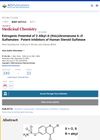 37 citations
,
September 2003 in “Journal of Medicinal Chemistry”
37 citations
,
September 2003 in “Journal of Medicinal Chemistry” A substance called Compound 2g can strongly block STS (a hormone-related enzyme) without affecting estrogen levels, making it potentially good for treating breast cancer.
 March 2025 in “Journal of Drugs in Dermatology”
 A new method helps manage skin side effects from hormonal cancer therapy, improving patient care.
5 citations
,
May 2022 in “Clinical & Experimental Metastasis” Minoxidil and ranolazine together can reduce the spread of certain breast cancer cells.
1 citations
,
June 2022 in “Frontiers in Neuroanatomy” Early hormones shape sex-specific differences in rat glands.
 April 2026 in “microPublication”
 Minoxidil might partially activate estrogen receptors, affecting hair growth.
 May 2026 in “Frontiers in Pharmacology”
 Dendrobium officinale polysaccharide helps hair regrowth in hair loss mice by affecting local steroid metabolism and hair follicle responses.
 32 citations
,
September 2018 in “Clinical Obstetrics and Gynecology”
32 citations
,
September 2018 in “Clinical Obstetrics and Gynecology” Hormone therapy for transgender females increases the risk of blood clots and requires careful dosing, monitoring, and lifelong management.
 61 citations
,
January 2017 in “Human Reproduction Open”
61 citations
,
January 2017 in “Human Reproduction Open” The review recommends hormone replacement therapy for women with premature ovarian insufficiency to manage symptoms and protect health, with specific approaches for different groups.
120 citations
,
April 2019 in “The Journal of clinical investigation/The journal of clinical investigation” Both estrogens and androgens are important for health in both males and females.
68 citations
,
January 2013 in “BMC Pharmacology and Toxicology” Glibenclamide slows breast cancer cell growth by stopping cell division.
 47 citations
,
September 2016 in “Reviews in endocrine and metabolic disorders”
47 citations
,
September 2016 in “Reviews in endocrine and metabolic disorders” The skin's ability to produce hormones is linked to various skin conditions, and better understanding this process could lead to new treatments.
 7 citations
,
April 2012 in “Clinical investigation”
7 citations
,
April 2012 in “Clinical investigation” Transdermal testosterone can improve sexual desire in postmenopausal women but lacks long-term safety data and is not FDA-approved for this use.
4 citations
,
June 2025 in “MedComm” PROTACs show promise for cancer treatment, but designing them effectively is challenging.