 9 citations
,
May 2012 in “British Journal of Dermatology”
9 citations
,
May 2012 in “British Journal of Dermatology” Reversing female hair loss.
 8 citations
,
January 1996 in “Gynecological Endocrinology”
8 citations
,
January 1996 in “Gynecological Endocrinology” Cyproterone acetate is the preferred treatment for women's hyperandrogenism when estrogen/progestogen use is safe.
 23 citations
,
April 1999 in “Dermatologic Clinics”
23 citations
,
April 1999 in “Dermatologic Clinics” Pulsed-intense light can significantly reduce hair, with effectiveness depending on treatment number and timing, and has mild side effects.
 9 citations
,
January 1989 in “Sen'i Gakkaishi”
9 citations
,
January 1989 in “Sen'i Gakkaishi” Wool and hair fibers absorb moisture similarly due to their keratin structure, with the amount of non-crystalline areas affecting the moisture uptake.
 June 1997 in “Australasian Journal of Dermatology”
 Researchers found new hair and nail genes, how hair reacts to UV, differences in white and pigmented hair growth, nerve changes in alopecia, treatments for baldness and alopecia, a toenail condition linked to a genetic disorder, and that nail fungus is more common in people with psoriasis.
5 citations
,
December 2018 in “The Journal of clinical psychiatry/The journal of clinical psychiatry” Tamsulosin may slightly increase dementia risk compared to other treatments for enlarged prostate.
 4 citations
,
December 1997 in “Clinical Endocrinology”
4 citations
,
December 1997 in “Clinical Endocrinology” Spironolactone may help reduce hair loss in androgenic alopecia.
 2 citations
,
August 2014 in “Journal of The American Academy of Dermatology”
2 citations
,
August 2014 in “Journal of The American Academy of Dermatology” Obesity may worsen hair loss in men and increase hirsutism in overweight or obese individuals, with weight loss recommended for treatment.
 1 citations
,
February 2017 in “Dermatologic Surgery”
1 citations
,
February 2017 in “Dermatologic Surgery” The basement membrane matrix helps rebuild hair follicles faster and more effectively.
June 2025 in “JEADV Clinical Practice” Scarring alopecia is linked to higher rates of vitamin D deficiency, metabolic issues, mental health problems, thyroid disease, and other health conditions.
August 2021 in “Journal of the American Academy of Dermatology” Oral baricitinib is effective and safe for treating alopecia areata.
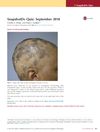 August 2018 in “Journal of Investigative Dermatology”
 Tofacitinib may help regrow hair in alopecia areata patients.
 September 2013 in “Science”
 Human stem cells can aid stroke recovery, research experiences boost students' career aspirations, minoxidil may reduce cancer spread, a molecule can slow tumor growth, a protein affects water flow in cells, magnesium behaves differently at tiny scales, and a new method detects slow-moving objects.
 January 2009 in “Yearbook of Dermatology and Dermatologic Surgery”
 Etanercept is safe and may help improve hidradenitis suppurativa, but more research is needed.
July 2005 in “The American Journal of Human Genetics” The AR gene is linked to male-pattern baldness, TNFSF4 to heart disease, SLC19A3 to BBGD, MCT8 to a syndrome, and segmental duplications to genetic variation.
 March 1988 in “Journal of The American Academy of Dermatology”
 The document concludes that misdiagnosis in skin conditions is common, certain treatments can cause allergic reactions, and some skin symptoms are linked to leukemia, especially in certain Japanese regions.
September 2022 in “Health and Medical Journal” Minoxidil and oral antioxidants helped improve hair growth in a patient with hair loss due to lupus.
 23 citations
,
January 2018 in “Elsevier eBooks”
23 citations
,
January 2018 in “Elsevier eBooks” Nanoemulsions improve stability and delivery of active ingredients in cosmetics for skin and hair care.
 2 citations
,
August 2017 in “British Journal of Dermatology”
2 citations
,
August 2017 in “British Journal of Dermatology” Hair loss in Cronkhite-Canada syndrome may be due to an autoimmune response.
 October 2017 in “The Indian Journal of Animal Sciences”
 The prolactin gene polymorphism doesn't affect cashmere quality in these goats.
 26 citations
,
April 1999 in “Dermatologic Clinics”
26 citations
,
April 1999 in “Dermatologic Clinics” The long-pulsed alexandrite laser is effective for hair reduction, particularly for light-skinned individuals with dark hair, but caution is needed for darker skin.
 8 citations
,
April 2013 in “Journal of The American Academy of Dermatology”
8 citations
,
April 2013 in “Journal of The American Academy of Dermatology” Some breast cancer patients treated with high-dose docetaxel may experience permanent hair loss.
 7 citations
,
January 1987 in “Archives of Dermatology”
7 citations
,
January 1987 in “Archives of Dermatology” Most people using minoxidil for hair loss probably won't see significant improvement.
 2 citations
,
January 2003 in “PubMed”
2 citations
,
January 2003 in “PubMed” Hair loss in men might be linked to programmed cell death.
 1 citations
,
April 2016 in “British Journal of Dermatology”
1 citations
,
April 2016 in “British Journal of Dermatology” Buschke-Ollendorff syndrome is a rare genetic disorder causing skin and bone changes, with some cases also showing ADHD or developmental delays.
 1 citations
,
December 2006 in “Burns”
1 citations
,
December 2006 in “Burns” New therapies for burn wounds show promise in reducing pain, infection risk, and improving healing and physical outcomes.
 May 2023 in “Dermatology Online Journal”
 No increased skin cancer risk was found in alopecia patients treated with photobiomodulation.
 October 2021 in “QJM: An International Journal of Medicine”
 Vitiligo patients have higher hydrogen peroxide levels and lower E-cadherin, affecting skin cell adhesion and pigmentation.
February 2021 in “Journal of the European Academy of Dermatology and Venereology” Alopecia areata is linked to more chronic illnesses, a specific lamp helps with notalgia paresthetica itch, pycnogenol aids melasma treatment, and dupilumab improves severe atopic dermatitis in children.
 September 2013 in “Science”
 Certain astrocytes can protect the brain and improve recovery after a stroke, and a hair loss drug might reduce cancer spread.