 February 2023 in “Ankara Üniversitesi Veteriner Fakültesi dergisi”
 Two calves died from ethylene glycol poisoning, a condition more common in pets.
 522 citations
,
January 2001 in “Cancer investigation”
522 citations
,
January 2001 in “Cancer investigation” Doxil is an effective, modified chemotherapy drug with a unique toxicity profile and shows promise in treating certain cancers.
 October 2025 in “Advanced Healthcare Materials”
 The hydrogels improve wound healing and tissue regeneration better than traditional treatments.
 26 citations
,
March 2013 in “Journal of Biomedical Materials Research Part A”
26 citations
,
March 2013 in “Journal of Biomedical Materials Research Part A” Researchers created a 3D hydrogel that mimics human hair follicles, which may help with hair loss treatments.
 13 citations
,
January 2019 in “Colloids and Surfaces B: Biointerfaces”
13 citations
,
January 2019 in “Colloids and Surfaces B: Biointerfaces” The new drug delivery systems made with surfactants and block polymers are stable and not toxic.
 5 citations
,
January 1998 in “Journal of Toxicologic Pathology”
5 citations
,
January 1998 in “Journal of Toxicologic Pathology” Maneb causes delayed hair follicle damage in rats.
 61 citations
,
September 2016 in “NPG Asia Materials”
61 citations
,
September 2016 in “NPG Asia Materials” Glycol chitosan hydrogels enable quick, safe 3D cell spheroid formation for various applications.
 202 citations
,
August 2007 in “Biomaterials”
202 citations
,
August 2007 in “Biomaterials” Artificial skin development has challenges, but new materials and understanding cell behavior could improve tissue repair. Also, certain growth factors and hydrogel technology show promise for advanced skin replacement therapies.
 38 citations
,
June 2005 in “Contact Dermatitis”
38 citations
,
June 2005 in “Contact Dermatitis” Patient had scalp allergy from minoxidil; test helped identify cause and suggest alternative treatments.
 23 citations
,
January 2001 in “International journal of toxicology”
23 citations
,
January 2001 in “International journal of toxicology” St. John's Wort extract and oil safety in cosmetics is unclear; more data needed on photosensitization, toxicity, and human irritation.
 14 citations
,
November 2013 in “Journal of the American Society for Horticultural Science”
14 citations
,
November 2013 in “Journal of the American Society for Horticultural Science” Glycine slows main root growth but boosts root hair growth in habanero peppers.
 January 2024 in “Advances in health sciences research/Advances in Health Sciences Research”
 Sweet potato leaf extract can effectively treat dandruff.
 130 citations
,
August 2020 in “Drug Design Development and Therapy”
130 citations
,
August 2020 in “Drug Design Development and Therapy” Nanoparticles can improve skin drug delivery but have challenges like toxicity and stability that need more research.
 43 citations
,
February 2020 in “Clinica chimica acta”
43 citations
,
February 2020 in “Clinica chimica acta” Nano-sized plant-based chemicals could improve cervical cancer treatment by being more effective and causing fewer side effects than current methods.
 28 citations
,
January 2017 in “Critical Reviews in Therapeutic Drug Carrier Systems”
28 citations
,
January 2017 in “Critical Reviews in Therapeutic Drug Carrier Systems” Nanomaterials in biomedicine can improve treatments but may have risks like toxicity, needing more safety research.
 10 citations
,
May 2016 in “Polymer”
10 citations
,
May 2016 in “Polymer” New nanocarriers improve skin drug delivery with low toxicity at certain concentrations.
 4 citations
,
July 2025 in “International Journal of Nanomedicine”
4 citations
,
July 2025 in “International Journal of Nanomedicine” Nano-quercetin improves quercetin's effectiveness in treating diseases but faces challenges in safety and production.
 June 2025 in “Journal of Cluster Science”
 Metal nanoparticles show promise for treating hair loss but need more research to ensure safety.
 62 citations
,
October 2010 in “Journal of biomedical nanotechnology”
62 citations
,
October 2010 in “Journal of biomedical nanotechnology” Nanoparticles can enter the skin, potentially causing toxicity, especially in damaged skin.
15 citations
,
November 2020 in “International Journal of Molecular Sciences” Multi-walled carbon nanotubes can enhance root hair growth in certain plants by affecting nitric oxide and ethylene pathways, but only at specific concentrations.
June 2025 in “Materials Today Bio” CPGel hydrogel heals diabetic wounds effectively in 21 days.
 4 citations
,
August 2023 in “Materials”
4 citations
,
August 2023 in “Materials” New synthetic polymers help improve skin wound healing and can be enhanced by adding natural materials and medicines.
 April 2026 in “Biomolecules”
 Curcumin-based polyurethanes with more PEG improve curcumin release and maintain strong antioxidant and antibacterial properties.
12 citations
,
June 2023 in “International Journal of Molecular Sciences” Innovative biomaterials show promise in healing chronic diabetic foot ulcers.
 October 2015 in “Elsevier eBooks”
 Aldesleukin can treat certain cancers and increase HIV patient CD4+ counts but often causes severe side effects.
 3 citations
,
September 2020 in “Molecular Brain”
3 citations
,
September 2020 in “Molecular Brain” The anti-viral drug Elvitegravir may protect brain cells from damage related to neurodegenerative diseases.
 67 citations
,
January 2022 in “Theranostics”
67 citations
,
January 2022 in “Theranostics” Advanced nanocarrier and microneedle drug delivery methods are more effective, safer, and less invasive for treating skin diseases.
 57 citations
,
September 2017 in “Journal of controlled release”
57 citations
,
September 2017 in “Journal of controlled release” Nanocarrier-loaded gels improve drug delivery for cancer, skin conditions, and hair loss.
 23 citations
,
January 2022 in “Biomaterials Science”
23 citations
,
January 2022 in “Biomaterials Science” Non-viral vectors show promise for safe and effective CRISPR/Cas9 gene editing in treating diseases.
 22 citations
,
September 2019 in “ACS omega”
22 citations
,
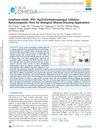
September 2019 in “ACS omega” The new nanocomposite films are stronger, protect against UV, speed up wound healing, and are antibacterial without being toxic.