8 citations
,
October 2013 in “Chemistry Central Journal” Metabolite 7 is a strong inhibitor for Alzheimer's disease management.
9 citations
,
October 1947 in “The Lancet” 1 citations
,
November 1947 in “The Lancet” 17 citations
,
August 1971 in “Journal of Investigative Dermatology” 2 citations
,
January 2017 in “Case reports in endocrinology” Ashwagandha root improved symptoms of nonclassic 11-hydroxylase deficiency in an elderly woman.
13 citations
,
March 2008 in “Journal of the European Academy of Dermatology and Venereology” Triamcinolone acetonide therapy for hair loss may cause a skin condition called linear lichen planus.
 37 citations
,
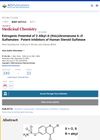
September 2003 in “Journal of Medicinal Chemistry”
37 citations
,
September 2003 in “Journal of Medicinal Chemistry” A substance called Compound 2g can strongly block STS (a hormone-related enzyme) without affecting estrogen levels, making it potentially good for treating breast cancer.
 2 citations
,
January 2021 in “PLANT ARCHIVES”
2 citations
,
January 2021 in “PLANT ARCHIVES” Andrographolide-loaded topical nanocarriers are a safe and effective treatment for psoriasis.
 3 citations
,
December 2000 in “International Journal of Cosmetic Science”
3 citations
,
December 2000 in “International Journal of Cosmetic Science” The study created a new method to test drugs that affect hormone processing in skin.
10 citations
,
August 2024 in “Neuroscience & Biobehavioral Reviews” Neurosteroids may help treat disorders with too much dopamine activity.
March 2020 in “QJM: An International Journal of Medicine” Standard intralesional corticosteroids are the best treatment for patchy alopecia areata.
January 2021 in “Figshare” Tiny lipid particles carrying 17-α-estradiol gather in hair follicles, which may help target alopecia treatment.
January 2020 in “Journal of the Brazilian Chemical Society” Tiny lipid particles loaded with a hormone gather in hair follicles, which may help treat hair loss.
 2 citations
,
November 2007 in “Journal of Investigative Dermatology”
2 citations
,
November 2007 in “Journal of Investigative Dermatology” Fluocinolone acetonide slows down hair follicle stem cells but speeds up skin cell growth in mice.
 January 1983 in “Elsevier eBooks”
 Cyproterone acetate is used to treat conditions like prostate cancer, early puberty, excessive sexual drive, and female androgenization by affecting androgen functions and suppressing certain hormones.
2-Hydroxy-1,4-naphthoquinone is a strong 5α-reductase inhibitor.
 14 citations
,
March 2007 in “Pediatric pulmonology”
14 citations
,
March 2007 in “Pediatric pulmonology” Inhaled steroids in children may cause excessive hair growth and not always go away after stopping the medication.
January 2002 in “NCSU Libraries Repository (North Carolina State University Libraries)” 17b-Estradiol in skin affects hair growth and tumor promotion.
"Coco de mono" seeds cause temporary hair loss due to selenocystathionine.
12 citations
,
February 2023 in “Applied and Environmental Microbiology” Mutants of CYP154C2 enzyme significantly improved steroid conversion efficiency.
February 2026 in “Journal of Dermatological Treatment” CG2001 is safe and well-tolerated for treating hair loss, with fewer side effects than oral finasteride.
12 citations
,
December 2009 in “Neuroscience” GABAergic steroid precursors reduce ethanol withdrawal symptoms in certain mice.
7 citations
,
June 2000 in “Journal of the American Academy of Dermatology” Foam corticosteroid covers as well as traditional forms.

Women with androgenetic alopecia have normal levels of most blood steroids and binding proteins, but higher dehydroepiandrosterone. Some also have low "sex hormone-binding globulin" and "corticosteroide-binding globulin" capacity, and high "free androgen index" and "free cortisol index". Diane treatment can normalize these levels and improve hair conditions.
14 citations
,
January 1980 in “Dermatology” Cyproterone acetate temporarily reduces hair growth in women with idiopathic hirsutism but doesn't change hormone levels.
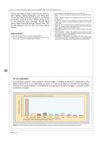
The document corrects a mistake by stating that pimecrolimus, not tacrolimus, is the drug that concentrates in the skin.
36 citations
,
July 1980 in “Journal of Toxicology and Environmental Health” High doses of ethynylestradiol in rats caused growth issues, organ changes, and some tumors, but didn't increase overall tumor rates.
Corticosteroids and topical irritants are used to treat alopecia areata.
52 citations
,
February 2009 in “Journal of the American Academy of Dermatology” A 93-year-old woman developed a rare scalp condition after therapy, which improved with steroids, not antibiotics.
July 2026 in “Journal of Cutaneous and Aesthetic Surgery” Vitamin D3 injections are as effective and potentially safer than TAC for treating alopecia areata.