Frontal fibrosing alopecia can be managed with personalized combination therapies, but no cure exists yet.
 January 2025 in “Advances in Dermatology and Allergology”
 A holistic approach, including medical treatments, lifestyle changes, and mental health support, is crucial for managing hirsutism in women.
 May 2024 in “Portuguese journal of dermatology and venereology”
 Reassurance and counseling are key in managing acute telogen effluvium, with supplements possibly offering a placebo effect.
 March 2024 in “Romanian Medical Journal”
 Early diagnosis and treatment of achalasia and hyperthyroidism improve patient outcomes.

Iron deficiency anemia can cause itching, which often improves with iron supplements.
 January 2024 in “Women's health science journal”
 Hormonal imbalances are a key cause of missed menstrual periods in women.
 January 2024 in “International Journal of Pharmaceutical Research and Development”
 Herbal hair gels with natural ingredients can reduce dandruff and hair loss while repairing damage.
 December 2023 in “Communications biology”
 Targeting the HEDGEHOG-GLI1 pathway could help treat keloids.
 November 2023 in “Berkala Ilmu Kesehatan Kulit dan Kelamin/Berkala ilmu kesehatan kulit dan kelamin (Periodical of dermatology and venerology)”
 A dermoscope helps accurately tell apart Pityrosporum folliculitis and Acne vulgaris.
 November 2023 in “Scholars academic journal of biosciences”
 Trichotillomania can cause severe complications like hairballs in the stomach, needing surgery and psychiatric care.
 October 2023 in “Research Square (Research Square)”
 Oxidative stress is linked to mild patchy alopecia areata.
 September 2023 in “Medical and Clinical Case Reports”
 People with Alopecia Areata often have thyroid problems like Hashimoto thyroiditis and hypothyroidism.
 April 2023 in “Tikrit journal of pharmaceutical sciences”
 Ginger extract helps hair growth and reduces the need for prednisolone in alopecia areata patients.
 April 2023 in “Medizinische Genetik”
 New research has found 14 genes linked to the risk of developing alopecia areata, improving understanding and treatment options.
 January 2023 in “Pakistan Armed Forces Medical Journal”
  December 2022 in “Indian Journal of Animal Research”
 Both fluoxetine and clomipramine effectively treat dog lick dermatitis, but fluoxetine works faster with lower recurrence, while clomipramine has fewer side effects.
 October 2022 in “Southeast Asian journal of health professionals”
 Hair greying is seen as a sign of aging; temporary fixes like hair dye are used, but a balanced diet and hair care can help manage it.
 August 2022 in “Journal of Contemporary medical practice”
 Combining Traditional Chinese Medicine and Western medicine can improve symptoms, hormone levels, and pregnancy outcomes in Polycystic Ovary Syndrome patients, but more research is needed.
 July 2022 in “Al-Mağallaẗ al-ʻirāqiyyaẗ li-l-ṣaydalaẗ”
 Lower zinc levels are linked to more severe hair loss in alopecia areata.
 January 2022 in “Skin appendage disorders”
 A woman with alopecia totalis regrew dark hair in bands after using a corticosteroid ointment.
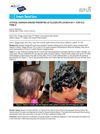 May 2021 in “Journal of the American College of Cardiology”
 An 11-year-old girl with Kawasaki disease experienced hair loss that improved after treatment.
 January 2021 in “Pediatric Oncall”
 Autoimmune hepatitis in children often affects girls and can be treated successfully with medication.
 November 2020 in “Journal of The American Academy of Dermatology”
 Taking vitamin C and vitamin E twice a day can help prevent sunburn and DNA damage from UVB exposure.
 April 2020 in “Indian Journal of Forensic Medicine & Toxicology”
 Laparoscopic ovarian drilling improves menstrual cycles, hormone levels, and pregnancy rates in women with PCOS.
 October 2019 in “Academic medicine”
 The medical student learned to balance medical knowledge with empathy when delivering difficult news to patients.
 August 2018 in “Journal of The American Academy of Dermatology”
 Ozenoxacin 1% cream is an effective and safe treatment for impetigo in children and adults.
 July 2018 in “Elsevier eBooks”
 Up to half of people experience itchy scalp, often due to skin conditions like seborrheic dermatitis or psoriasis, and treatments vary based on the specific cause.
 July 2018 in “Elsevier eBooks”
 The most common cause of hair loss in children is tinea capitis, followed by alopecia areata and telogen effluvium.
 January 2018 in “International journal of medical biochemistry”
 Women with telogen effluvium have lower levels of iron, folate, and vitamin B12.
 January 2018 in “Advances in Dermatology and Allergology”
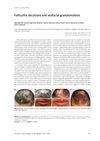
 Treatment with dapsone, topical corticosteroids, and antibiotics improved the man's skin conditions.