January 2007 in “Bristol Research (University of Bristol)” Epidermolysis bullosa in UK calves is not caused by mutations in keratin genes.
 4 citations
,
July 2012 in “Genesis”
4 citations
,
July 2012 in “Genesis” The Megsin-Cre transgene is a new tool for genetic manipulation in the skin and upper digestive tract.
 September 2023 in “Plant journal”
 A protein called GIS3 is important for the growth of root hairs in Arabidopsis by controlling two genes with the help of certain growth signals.
January 2005 in “FJ. Fragrance journal”  9 citations
,
April 2021 in “Evidence-based complementary and alternative medicine”
9 citations
,
April 2021 in “Evidence-based complementary and alternative medicine” Guilu Erxian Glue may help reduce chemotherapy side effects like weight loss and heart stress.
1 citations
,
October 2025 in “EBioMedicine” Women have a higher DHT/testosterone ratio than men, possibly due to gut bacteria activity.
January 2024 in “Research Portal Denmark” H+-ATPase is crucial for plant growth and can be influenced by microbial compounds, affecting root hair development.
 August 2025 in “JEADV Clinical Practice”
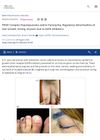
 PRIDE complex side effects from EGFR inhibitors can be managed without stopping treatment.
 26 citations
,
January 2016 in “Annals of Dermatology”
26 citations
,
January 2016 in “Annals of Dermatology” Ecklonia cava polyphenols help increase human hair growth and reduce hair loss.
A woman and her guinea pig were successfully treated for a fungal infection.
 October 2024 in “Journal of Plant Growth Regulation”
 Fusarium sp. strain K-23 helps Arabidopsis plants grow better in salty soil by promoting root hair growth.

Microorganisms improve plant root growth in acidic soils, boosting productivity.
 14 citations
,
November 1987 in “Journal of The American Academy of Dermatology”
14 citations
,
November 1987 in “Journal of The American Academy of Dermatology” A woman developed a severe skin reaction called toxic epidermal necrolysis after taking the antibiotic cephalexin.
 1 citations
,
July 2022 in “Plant Cell, Tissue and Organ Culture (PCTOC)”
1 citations
,
July 2022 in “Plant Cell, Tissue and Organ Culture (PCTOC)” The study found that in Eclipta prostrata roots, coumestans come from acetate and shikimate pathways, and phenylpropanoid is made only through the shikimate pathway.
 September 2024 in “Journal of Cosmetic Dermatology”
 Ectoin helps prevent cortisone-induced skin problems and supports skin health.
July 2026 in “Dermatology Reports” The gel reduced folliculitis symptoms and was safe and well-received.
July 2026 in “Frontiers in Oncology” EGFR inhibitors can cause skin eruptions different from acne, needing specific management.
1 citations
,
November 2020 in “UMM Institutional Repository (University of Maine at Machias)” White jasmine leaf extract can inhibit acne bacteria but is less effective than clindamycin.
6 citations
,
July 2021 in “International Wound Journal” The biofilm-dispersing wound gel helps wounds heal faster and prevents infection.
June 2025 in “Materials Today Bio” CPGel hydrogel heals diabetic wounds effectively in 21 days.
November 2024 in “Majalah Farmasetika” The natural hair dye gel with 12% Eleutherine bulbosa extract effectively colors bleached hair dark brown and is stable and non-irritating.
7 citations
,
March 2022 in “International Journal of Molecular Sciences” FGF21 can help reduce skin inflammation caused by C. acnes.
15 citations
,
April 2011 in “Biological Chemistry” Cathepsin E is crucial for normal skin cell differentiation and development.
2 citations
,
January 2022 in “The Application of Clinical Genetics” A young Russian girl with Meier-Gorlin syndrome has two new mutations in the CDC6 gene.
58 citations
,
February 2013 in “Journal of Biological Chemistry” LGR5 mainly stays inside cells, moving to the trans-Golgi network, and this process is important for its role in cell signaling.
 January 2026 in “Physical Education Health and Social Sciences”
 Combining probiotics, clotrimazole gel, and laser therapy improves treatment for recurrent yeast infections.
June 2023 in “Journal of Biosciences and Health” Healthy dogs and cats often carry skin fungi without showing symptoms, which can spread to others.
2 citations
,
January 2011 in “Feed Review” Adding 0.029% iron glycine chelate to piglet diets improves growth and hair color.
 4 citations
,
April 2025 in “Scientific Reports”
4 citations
,
April 2025 in “Scientific Reports” Platelet-rich plasma can temporarily inhibit some drug-resistant bacteria in diabetic foot infections.
 1 citations
,
August 2017 in “British Journal of Dermatology”
1 citations
,
August 2017 in “British Journal of Dermatology” Sodium hypochlorite can effectively prevent and remove Staphylococcus aureus biofilms in atopic dermatitis at high enough concentrations.