2 citations
,
January 2016 in “Journal of clinical & experimental dermatology research” Acrodermatitis Enteropathica is a rare skin condition treated effectively with zinc supplements, and early diagnosis is key.
3 citations
,
July 2025 in “Clinical and Experimental Dermatology” Ritlecitinib may be more effective for severe alopecia areata than conventional treatments.
 2 citations
,
April 2018 in “Journal of Investigative Dermatology”
2 citations
,
April 2018 in “Journal of Investigative Dermatology” The conclusion is that differentiating wound types in RDEB patients is important for clinical trials and understanding the disease.
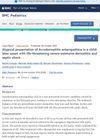 October 2025 in “BMC Pediatrics”
 Timely zinc treatment is crucial for preventing severe complications in Acrodermatitis enteropathica.
 31 citations
,
July 2017 in “Journal of the American Academy of Dermatology”
31 citations
,
July 2017 in “Journal of the American Academy of Dermatology” Apremilast improved symptoms in patients with severe skin conditions.
 11 citations
,
December 2010 in “Archives of Dermatology”
11 citations
,
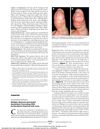
December 2010 in “Archives of Dermatology” A man with rare skin changes on his fingers was diagnosed with multiple myeloma-linked amyloidosis.
March 2026 in “Journal of the European Academy of Dermatology and Venereology” VESALT improves alopecia areata assessment by including non-scalp areas and is reliable and user-friendly.
1 citations
,
July 2023 in “International Journal of Pharmaceutical Sciences and Drug Research” The HPTLC method is effective and accurate for measuring linoleic and oleanolic acid in Eclipta alba.
10 citations
,
December 2024 in “Allergy” Tralokinumab effectively improved atopic dermatitis symptoms in most patients, but some stopped due to side effects like hair loss.
February 2026 in “Australasian Journal of Dermatology” A new tool simplifies alopecia areata severity scoring but needs validation.
 April 2023 in “The journal of investigative dermatology/Journal of investigative dermatology”
 Ritlecitinib significantly improves scalp hair regrowth in alopecia areata patients over time.
July 2025 in “Journal of the European Academy of Dermatology and Venereology” 11 citations
,
November 2018 in “British Journal of Dermatology” Oxymetazoline cream 1.0% effectively reduces rosacea redness, and using baseline photos improves assessment accuracy.
2 citations
,
June 2017 in “Journal of Evidence Based Medicine and Healthcare” Skin and mucous symptoms are key for diagnosing autoimmune connective tissue diseases.
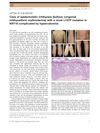 October 2011 in “Journal of dermatology”
 A man with a rare skin condition and a new gene mutation developed high calcium levels due to his treatment.
 6 citations
,
February 2023 in “Advances in Therapy”
6 citations
,
February 2023 in “Advances in Therapy” Baricitinib, a drug for rheumatoid arthritis, atopic dermatitis, and alopecia areata, is generally safe with low risk of major side effects, even in patients with risk factors. It's also effective in promoting hair regrowth in alopecia areata patients.
1 citations
,
November 2025 in “Journal of Dermatological Treatment” Baricitinib is effective and safe for treating severe alopecia areata.
6 citations
,
December 2015 in “International journal of immunopathology and pharmacology” AE can have varied symptoms and genetic causes, but zinc therapy helps.
 20 citations
,
March 2023 in “American Journal of Clinical Dermatology”
20 citations
,
March 2023 in “American Journal of Clinical Dermatology” Baricitinib improved severe hair loss in adults over 52 weeks and was safe to use.
8 citations
,
January 2013 in “European Journal of Dermatology” Alitretinoin may help treat alopecia areata.
 40 citations
,
March 1984 in “Acta dermato-venereologica”
40 citations
,
March 1984 in “Acta dermato-venereologica” Etretinate has only moderate effects on localized scleroderma and lichen sclerosus.
 June 2023 in “British Journal of Dermatology”
 Baricitinib was effective and safe for severe hair loss treatment over 6 months.
 30 citations
,
December 2017 in “Journal of The American Academy of Dermatology”
30 citations
,
December 2017 in “Journal of The American Academy of Dermatology” New criteria for diagnosing frontal fibrosing alopecia include specific scalp and eyebrow hair loss as major factors and other hair loss areas and hair analysis as minor factors.
 September 2024 in “Journal of the American Academy of Dermatology”
 Baricitinib 4 mg is effective and safe for treating severe alopecia areata.
18 citations
,
September 2024 in “Journal of the European Academy of Dermatology and Venereology” The DLQI is a key tool for measuring quality of life in dermatology.
 8 citations
,
May 2018 in “Primary Care: Clinics in Office Practice”
8 citations
,
May 2018 in “Primary Care: Clinics in Office Practice” Doctors should use a detailed patient history and physical exam to diagnose joint pain, and consult a rheumatologist early for suspected autoimmune diseases.
 December 2022 in “Exploratory animal and medical research”
 The study concluded that Acral lick dermatitis is most common in young male Labrador retrievers, often caused by psychological factors, and leads to skin inflammation and stress-related blood changes.
2 citations
,
November 2019 in “International Journal of Dermatology and Venereology” Chronic autoimmune urticaria can be managed with specific therapies and requires improved diagnosis and treatment methods.
 October 2023 in “Pediatric dermatology”
 Middle Eastern patients with epidermolysis bullosa show specific genetic mutations linked to different types of the disease.
 September 2022 in “Journal of The American Academy of Dermatology”
 Baricitinib was effective in regrowing eyebrow and eyelash hair in patients with severe alopecia areata.