 5 citations
,
July 1998 in “PubMed”
5 citations
,
July 1998 in “PubMed” Excessive androgen in women can cause acne, hair growth, baldness, and PCOS, often treatable with medication.
 4 citations
,
January 2016 in “Journal of cosmetology & trichology”
4 citations
,
January 2016 in “Journal of cosmetology & trichology” Excessive cell phone use may cause hair loss due to electromagnetic radiation.
 3 citations
,
November 2005 in “Women's health”
3 citations
,
November 2005 in “Women's health” Excessive body hair in women can be caused by various conditions and treated with medication like Diane® 35 or androgen blockers.
3 citations
,
January 2002 in “Actas Dermo-Sifiliográficas” Excessive minoxidil use can damage hair structure.
October 2025 in “The American Journal of Gastroenterology” Excessive zinc intake can cause liver failure.
June 2025 in “Journal of Cosmetic Dermatology” Excessive scalp massage after using minoxidil can cause hair damage, but reducing massage and using MSC exosomes can help.
 September 2024 in “Meditsinskiy sovet = Medical Council”
 Excessive vitamin A intake can cause eye damage, but recovery is possible with proper treatment.
March 2024 in “Antioxidants” Excessive blue light harms eye cells and disrupts sleep patterns.
 November 2022 in “Journal of the Endocrine Society”
 Excessive iodine from a cystic fibrosis supplement can cause hypothyroidism.
 October 2021 in “International journal of basic and clinical pharmacology”
 Excessive eyelash growth from erlotinib may indicate positive tumor response and help treat madarosis.
July 2020 in “DOAJ (DOAJ: Directory of Open Access Journals)” Excessive sun protection might contribute to frontal fibrosing alopecia.
October 2009 in “The American Journal of Gastroenterology” Excessive selenium intake can cause liver damage.
 April 2005 in “CRC Press eBooks”
 Excessive androgens in women with polycystic ovary syndrome can lead to excessive hair growth and hair loss, but this might not fully explain these conditions.
 March 1997 in “Journal of Endocrinology/Journal of endocrinology”
 Excessive hair growth in women can be treated with medications like spironolactone and finasteride, and male-pattern baldness in women can be improved with similar treatments.
1 citations
,
September 2023 in “Journal of the American Academy of Dermatology” Mini pulse corticosteroid therapy with oral dexamethasone is effective and has fewer side effects for treating extensive alopecia areata.
3 citations
,
September 2016 in “Pediatric Dermatology” Hypertrichosis (excessive hair growth) can help diagnose superficial epidermolytic ichthyosis.
Most excessive hair growth is due to idiopathic hirsutism or PCOS; treatment starts with cosmetic methods and drugs like cyproterone acetate or spironolactone, with results in 6-12 months.
 January 2018 in “Journal of the American Academy of Dermatology”
 More extensive trials are needed to understand tofacitinib's role in treating severe hair loss.
 130 citations
,
September 1990 in “Journal of the American Academy of Dermatology”
130 citations
,
September 1990 in “Journal of the American Academy of Dermatology” Flutamide effectively reduced excessive hair growth and improved related symptoms in hirsutism patients without significant side effects.
112 citations
,
April 2009 in “Cochrane library” Spironolactone may reduce excessive hair growth in women but its effectiveness for acne is not supported.
 78 citations
,
June 2005 in “Annals of oncology”
78 citations
,
June 2005 in “Annals of oncology” Cetuximab can cause excessive eyelash growth.
73 citations
,
November 1979 in “British Journal of Dermatology” Minoxidil can cause excessive hair growth.
 67 citations
,
September 2008 in “Dermatologic therapy”
67 citations
,
September 2008 in “Dermatologic therapy” Hirsutism is excessive hair growth in women often caused by polycystic ovarian syndrome, and identifying the cause is important for managing associated health risks.
 65 citations
,
November 2004 in “Journal of the American Academy of Dermatology”
65 citations
,
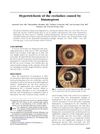
November 2004 in “Journal of the American Academy of Dermatology” Bimatoprost can cause excessive eyelash growth.
58 citations
,
February 2021 in “Toxins” Botulinum toxins effectively treat excessive sweating and may help with other skin conditions, but more research is needed.
 49 citations
,
April 1997 in “Human reproduction”
49 citations
,
April 1997 in “Human reproduction” Hormone therapy for excessive hair growth is as good with GnRHa as with high-dose CPA, but GnRHa has longer-lasting results.
 46 citations
,
April 1977 in “Southern Medical Journal”
46 citations
,
April 1977 in “Southern Medical Journal” Minoxidil causes excessive hair growth, but depilatory agent removes it safely and effectively.
 45 citations
,
November 1979 in “British Journal of Dermatology”
45 citations
,
November 1979 in “British Journal of Dermatology” Minoxidil causes excessive hair growth in almost all patients.
44 citations
,
April 2013 in “Proceedings of the National Academy of Sciences of the United States of America” FGF13 gene changes cause excessive hair growth in a rare condition.
 42 citations
,
October 2004 in “Experimental and Clinical Endocrinology & Diabetes”
42 citations
,
October 2004 in “Experimental and Clinical Endocrinology & Diabetes” The main cause of excessive hair growth in Turkish women is Polycystic ovary syndrome, but in about one fifth of cases, the reason for high male hormone levels is unknown.