 71 citations
,
March 2009 in “Seminars in cutaneous medicine and surgery”
71 citations
,
March 2009 in “Seminars in cutaneous medicine and surgery” Alopecia areata can cause unpredictable hair loss, and treatments like corticosteroids and minoxidil may help but have varying side effects.
 29 citations
,
January 2017 in “Skin appendage disorders”
29 citations
,
January 2017 in “Skin appendage disorders” Hair loss due to syphilis can be identified using trichoscopy and is treatable with antibiotics.
 17 citations
,
January 2010 in “International journal of trichology”
17 citations
,
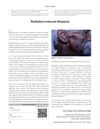
January 2010 in “International journal of trichology” A man experienced hair loss from radiotherapy, which can be temporary or permanent depending on radiation dose, with potential treatments available.
 7 citations
,
December 2016 in “British Journal of Dermatology”
7 citations
,
December 2016 in “British Journal of Dermatology” The report suggests that hair loss in Cronkhite-Canada syndrome may be caused by alopecia areata incognita, as shown by a patient's improvement with treatment.
 5 citations
,
January 2014 in “International Journal of Trichology”
5 citations
,
January 2014 in “International Journal of Trichology” Hair loss on the lower legs is common in middle-aged men, usually harmless, and doesn't need treatment.
 2 citations
,
March 2015 in “Expert opinion on orphan drugs”
2 citations
,
March 2015 in “Expert opinion on orphan drugs” New treatments for hair loss show promise but need more research to confirm safety and effectiveness.
 1 citations
,
July 2018 in “Elsevier eBooks”
1 citations
,
July 2018 in “Elsevier eBooks” Alopecia Areata is an autoimmune hair loss condition, with various treatments showing mixed effectiveness and no guaranteed cure.
 April 2026 in “International Journal of Drug Delivery Technology”
 Trichoscopy is a reliable, non-invasive tool for diagnosing scalp alopecias.
 January 2025 in “Journal of Case Reports and Scientific Images”
 Homeopathic treatment led to hair regrowth in an 8-year-old girl with alopecia areata.
 May 2024 in “Clinical, cosmetic and investigational dermatology”
 5% topical minoxidil effectively treated a boy's congenital triangular alopecia without side effects.
 September 2016 in “Journal of The American Academy of Dermatology”
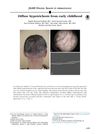
 The girl has a genetic hair condition causing thin hair since childhood.
 January 2016 in “Journal of The American Academy of Dermatology”
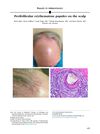
 The woman has a type of scarring hair loss with red bumps around hair follicles.
 January 2016 in “Springer eBooks”
 Alopecia Areata is an unpredictable autoimmune hair loss condition with limited and variable treatment effectiveness.
 202 citations
,
August 2007 in “Biomaterials”
202 citations
,
August 2007 in “Biomaterials” Artificial skin development has challenges, but new materials and understanding cell behavior could improve tissue repair. Also, certain growth factors and hydrogel technology show promise for advanced skin replacement therapies.
 13 citations
,
December 2017 in “Journal of Cosmetic and Laser Therapy”
13 citations
,
December 2017 in “Journal of Cosmetic and Laser Therapy” Low-level laser therapy can stimulate hair growth more effectively than fake devices, but patient satisfaction is similar for both. Results should be taken with caution due to small study sizes and differences between studies. More research is needed.
 129 citations
,
January 2009 in “International Journal of Trichology”
129 citations
,
January 2009 in “International Journal of Trichology” Trichoscopy can diagnose female hair loss with high accuracy by looking for specific patterns in hair and scalp appearance.
 89 citations
,
October 1996 in “Dermatologic Clinics”
89 citations
,
October 1996 in “Dermatologic Clinics” Alopecia areata is likely caused by a combination of genetic factors and immune system dysfunction, and may represent different diseases with various causes.
 62 citations
,
October 2016 in “Dermatologic Therapy”
62 citations
,
October 2016 in “Dermatologic Therapy” PRP more effective than minoxidil 5% for treating alopecia areata.
 48 citations
,
May 1999 in “International Journal of Dermatology”
48 citations
,
May 1999 in “International Journal of Dermatology” Alopecia areata is an unpredictable autoimmune hair loss condition, treated based on severity, with half of patients regrowing hair within a year without treatment.
 39 citations
,
October 2018 in “Lupus Science & Medicine”
39 citations
,
October 2018 in “Lupus Science & Medicine” Different types of hair loss in lupus need careful diagnosis for proper treatment.
 36 citations
,
June 2018 in “Journal of The American Academy of Dermatology”
36 citations
,
June 2018 in “Journal of The American Academy of Dermatology” Dermoscopy is useful for diagnosing various skin, hair, and nail disorders and can reduce the need for biopsies.
 32 citations
,
March 2021 in “Journal of cosmetic dermatology (Print)”
32 citations
,
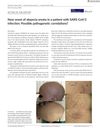
March 2021 in “Journal of cosmetic dermatology (Print)” COVID-19 infection may trigger alopecia areata in some patients.
 32 citations
,
July 2017 in “Dermatology practical & conceptual”
32 citations
,
July 2017 in “Dermatology practical & conceptual” New hair and skin changes were found in a rare case of syphilis-related hair loss.
 30 citations
,
January 2014 in “Dermatologic Clinics”
30 citations
,
January 2014 in “Dermatologic Clinics” Tight hairstyles, especially on chemically treated hair, can cause reversible hair loss if caught early but may become permanent if not addressed.
 29 citations
,
October 2012 in “Anais Brasileiros De Dermatologia”
29 citations
,
October 2012 in “Anais Brasileiros De Dermatologia” Diagnosing hair loss disorders needs clinical, dermoscopic, and histological differences, and checking menstrual cycle, weight changes, drug therapy, and nail changes.
 26 citations
,
August 2018 in “American Journal of Clinical Dermatology”
26 citations
,
August 2018 in “American Journal of Clinical Dermatology” Hair loss in cancer patients can be related to the cancer itself, treatment, or other conditions, and understanding it is important for diagnosis and patient care.
 23 citations
,
July 2018 in “Journal of Cosmetic Dermatology”
23 citations
,
July 2018 in “Journal of Cosmetic Dermatology” Chemotherapy caused hair loss with specific patterns, but most patients had hair regrowth after treatment, while some had lasting hair loss.
 21 citations
,
January 2014 in “International Journal of Trichology”
21 citations
,
January 2014 in “International Journal of Trichology” The study concluded that yellow dots are a common and useful sign for diagnosing alopecia areata in dark-skinned individuals and may indicate the severity of the condition.
 21 citations
,
March 2006 in “Seminars in Cutaneous Medicine and Surgery”
21 citations
,
March 2006 in “Seminars in Cutaneous Medicine and Surgery” Most hair loss disorders can be accurately diagnosed and treated in an outpatient setting.
 20 citations
,
January 2013 in “Annals of Dermatology”
20 citations
,
January 2013 in “Annals of Dermatology” Topical minoxidil successfully treated temporal triangular alopecia.