 8 citations
,
September 2021 in “Skin appendage disorders”
8 citations
,
September 2021 in “Skin appendage disorders” Trichotillomania treatment is most successful with a mix of behavioral therapy, medication, and social support.
April 2007 in “CRC Press eBooks” Certain vitamins in wrong amounts, alcohol abuse, metals, and other toxins can cause serious brain and nerve damage.
18 citations
,
October 2020 in “Journal of Pharmacology and Experimental Therapeutics” KATP channel openers may cause peripheral edema by reducing lymphatic contractions and flow.
9 citations
,
July 2024 in “Toxins” OnabotulinumtoxinA is used to treat wrinkles, pain, sweating, hair loss, and more by temporarily paralyzing muscles and affecting pain pathways.
4 citations
,
December 2021 in “Journal of clinical laboratory analysis” A new mutation in the DCAF17 gene was found to cause Woodhouse-Sakati syndrome in a large family.
3 citations
,
October 2021 in “Turkish Journal Of Neurology” Genetic analysis is crucial for diagnosing and managing cerebral arteriopathy.
 March 2026 in “Nutrients”
 Vitamin D is needed for metformin to lower prolactin effectively.
September 2025 in “Healthcare” SSRIs may help manage sexual behavior in dementia patients, but they can cause long-lasting sexual dysfunction.
 June 2024 in “Journal of Psychiatry Spectrum”
 Iron deficiency can cause psychiatric symptoms that improve with proper treatment.
4 citations
,
April 2025 in “Frontiers in Immunology” Extracellular vesicles could offer precise treatments for psychiatric conditions by targeting brain networks.
43 citations
,
April 2010 in “Clinical genetics” Truncating mutations in the C2orf37 gene cause Woodhouse–Sakati syndrome.
Neurosteroids help control dopamine responses in the brain.
 August 2012 in “Pharmaceutical Medicine”
 The document concludes that various medications and treatments can have significant, sometimes adverse, effects on health outcomes.
 October 2015 in “Elsevier eBooks”
 Pramipexole can cause side effects like dizziness, sleepiness, hallucinations, and low blood pressure, and it's important to educate patients and keep doses low.
1 citations
,
October 2019 in “Epileptic disorders” A girl with Pitt-Hopkins syndrome developed curly hair as a rare side effect from the epilepsy drug perampanel.
21 citations
,
March 2002 in “Neurology” Dopamine agonists like pramipexole and ropinirole can cause reversible hair loss.
 14 citations
,
October 2006 in “Journal of The American Academy of Dermatology”
14 citations
,
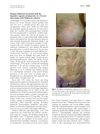
October 2006 in “Journal of The American Academy of Dermatology” A woman with Parkinson's disease experienced hair loss from the Parkinson's medication pramipexole, which improved after stopping the drug.
4 citations
,
November 2001 in “Journal of Neuropsychiatry” Divalproex sodium can sometimes worsen behavior in some patients.
 10 citations
,
June 2011 in “Movement Disorders”
10 citations
,
June 2011 in “Movement Disorders” THAP1 gene changes do not affect DYT1 dystonia; finasteride may help reduce tics and OCD in Tourette syndrome.
 10 citations
,
October 2016 in “Epilepsy & behavior”
10 citations
,
October 2016 in “Epilepsy & behavior” Levetiracetam often causes behavioral issues, while oxcarbazepine is more likely to cause sleepiness in epilepsy patients.
 5 citations
,
May 2011 in “Movement Disorders”
5 citations
,
May 2011 in “Movement Disorders” Finasteride significantly reduced tics and obsessive-compulsive symptoms in Tourette syndrome patients.
 31 citations
,
June 2011 in “Movement Disorders”
31 citations
,
June 2011 in “Movement Disorders” The document describes a woman with familial Parkinson's disease due to a genetic mutation, showing severe symptoms and poor response to treatment, and suggests finasteride may help reduce symptoms in Tourette syndrome.
November 2001 in “The Journal of neuropsychiatry and clinical neurosciences/The journal of neuropsychiatry and clinical neurosciences” Divalproex sodium can unexpectedly cause agitation and hyperactivity in some patients.
15 citations
,
April 1997 in “Muscle & Nerve” 5 citations
,
April 1997 in “Muscle & Nerve”  November 2006 in “Reactions Weekly”
 A woman's hair grew back after she stopped taking the Parkinson's disease medication pramipexole.
1 citations
,
October 2011 in “Hospital Pharmacy” 
The data suggests that dosing differences can help manage spasticity in patients with upper motor neuron dysfunction.
 September 2023 in “Journal of movement disorders”
 Dopaminergic therapy in Parkinson's disease patients is linked to increased hair loss.