 35 citations
,
August 2004 in “Epilepsy & behavior”
35 citations
,
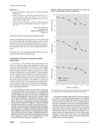
August 2004 in “Epilepsy & behavior” Extended-release divalproex is better tolerated and more effective for seizures and psychiatric symptoms than delayed-release divalproex, but doesn't reduce hair loss.
 March 2016 in “Reactions Weekly”
 Post-finasteride syndrome causes various symptoms in men using finasteride, with no known cure.
 November 2023 in “Magna Scientia Advanced Research and Reviews”
 Trazodone might help reverse post finasteride syndrome.
12 citations
,
May 2009 in “Ophthalmic plastic and reconstructive surgery” Multiple pilomatrixoma may indicate Turner syndrome.
 42 citations
,
December 2007 in “American Journal of Psychiatry”
42 citations
,
December 2007 in “American Journal of Psychiatry” Finasteride may effectively reduce Tourette's syndrome symptoms and improve life quality.
4 citations
,
March 2003 in “International Journal of Dermatology” Pimozide treatment resolved cysts and partially restored cheek fat in a man with Barraquer–Simons syndrome.
 3 citations
,
October 2021 in “Brain Sciences”
3 citations
,
October 2021 in “Brain Sciences” Long-term use of Risperidone may be linked to a serious skin condition in bipolar patients, affecting their overall well-being.
 July 2023 in “Clinical, cosmetic and investigational dermatology”
 Plica neuropathica can be a sign of schizophrenia and improves with antipsychotic treatment.
24 citations
,
December 1997 in “Mayo Clinic proceedings” Carbamazepine may cause lung problems and lupus-like symptoms, which can improve after stopping the drug.
55 citations
,
December 1983 in “Acta Neurologica Scandinavica” Carbamazepine, valproate, and clonazepam can cause mild to serious side effects during long-term epilepsy treatment.
 November 2024 in “NeoReviews”
 Pallister-Killian Syndrome is a complex genetic disorder requiring coordinated care and genetic counseling.
 14 citations
,
January 2019 in “Skin appendage disorders”
14 citations
,
January 2019 in “Skin appendage disorders” PFS might be a delusional disorder with potential to become mass psychogenic illness.
 1 citations
,
July 2015 in “The European research journal”
1 citations
,
July 2015 in “The European research journal” Stopping aripiprazole can reverse its side effect of hair loss.
July 2025 in “Reactions Weekly” September 2023 in “Journal of the American Academy of Dermatology” Recognizing IPPP is crucial to prevent misdiagnosis and unnecessary treatments.
 2 citations
,
August 2025 in “Scientific Reports”
2 citations
,
August 2025 in “Scientific Reports” Pexidartinib often causes liver issues and fatigue, especially in women.
 February 2009 in “Journal of The American Academy of Dermatology”
 Most patients with Tuberous sclerosis had neurological or skin issues, and over half had psychiatric problems.
 January 2025 in “Scholars Journal of Medical Case Reports”
 Quetiapine may cause hair loss.
 August 2003 in “International Journal of Cosmetic Surgery and Aesthetic Dermatology”
 Disposable instruments could be the future of hair restoration surgery to eliminate disease risk, but they require careful preparation and proper training.
33 citations
,
May 2017 in “Journal of Clinical Oncology” ETC-159 was safe up to 30 mg, but no tumor shrinkage was seen.
 10 citations
,
January 2008 in “Acta dermato-venereologica”
10 citations
,
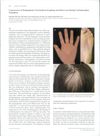
January 2008 in “Acta dermato-venereologica” Carbamazepine caused hair loss and skin eruptions in a woman, which improved after stopping the medication.
1 citations
,
July 2024 in “Journal of Investigative Dermatology” Plaquenil can cause a severe skin reaction called AGEP, requiring prompt diagnosis and treatment.
7 citations
,
September 2007 Valproate sustained-release is effective and generally safe for short-term treatment of new partial epilepsy.
 December 2020 in “International journal of medical science and clinical invention”
 Rapunzel syndrome can show vague symptoms and needs long-term psychiatric care to prevent recurrence.
January 2008 in “Journal of Medicinal Chemistry” Finasteride may cause sexual and psychological side effects by affecting an enzyme related to epinephrine.
 15 citations
,
May 2014 in “Journal of dermatology”
15 citations
,
May 2014 in “Journal of dermatology” Zouboulis syndrome is a rare condition that helps diagnose monosomy 18p early.

The data suggests that dosing differences can help manage spasticity in patients with upper motor neuron dysfunction.
5 citations
,
January 2002 in “European journal of pediatrics” "D-CHRAMPS syndrome" is a newly identified condition with multiple severe symptoms.
 16 citations
,
March 2013 in “The Journal of Dermatology”
16 citations
,
March 2013 in “The Journal of Dermatology” Low TRPS1 expression in skin and hair cells is linked to hair problems in Trichorhinophalangeal syndrome.
 April 2026 in “Zenodo (CERN European Organization for Nuclear Research)”
 Post-exposure syndromes are persistent conditions caused by past exposures, needing unique interventions.