Search
for
Sort by
Research
30-60 / 1000+ resultsresearch miR‐200a‐3p in Human Umbilical Cord Mesenchymal Stem Cell‐Derived Exosomes Attenuates UVB‐Induced Skin Inflammatory Response and Oxidative Stress via Keap1‐Nrf2 Pathway
Exosomes from stem cells can reduce UV-induced skin damage by lowering inflammation and oxidative stress.

research The novel mechanisms and applications of exosomes in dermatology and cutaneous medical aesthetics
Exosomes can improve skin health and offer new treatments for skin repair and rejuvenation.

research Adipose tissue protects against skin photodamage through CD151- and AdipoQ- EVs
Fat tissue vesicles protect skin from UV damage better than stem cell vesicles.
research Exosomes
Exosome therapies could help with skin and hair issues, but more testing is needed.

research Geleneksel Derleme: Dermatoloji ve Kozmetolojide Eksozomlar
Exosomes show promise for treating skin conditions and improving cosmetic skin health.
research Human stratum corneum proteomics reveals cross‐linking of a broad spectrum of proteins in cornified envelopes
A wide range of proteins are integrated into the skin's protective layer.

research Formation of the cornified envelope
The cornified envelope is crucial for skin's barrier function and involves key proteins and genetic factors.
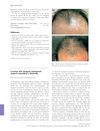
research A woman with iatrogenic androgenetic alopecia responding to finasteride
EF and PXE not closely related.

research Skin Microbiome, Metabolome and Skin Phenome, from the Perspectives of Skin as an Ecosystem
Your skin is like an ecosystem, with its own community of microbes and substances that interact and affect its health.
research High spatial resolution study of human skin using synchrotron infrared microscopy: application to the penetration of external agents
External agents penetrate skin more easily in areas with fewer lipids, especially through hair follicles.
research Exosomes in Hair Restoration
research Therapeutic Values of Exosomes in Cosmetics, Skin Care, Tissue Regeneration, and Dermatological Diseases
Exosomes could be effective for improving skin health and treating skin diseases.
research La campana, patrimonio sonoro y lenguaje tradicional: la Colección Quintana en Urueña
The extracellular matrix is crucial for maintaining and regulating epidermal stem cells in hair follicles.

research Cover Image
I cannot summarize the document because it is not accessible.
research Expression of estrogen, androgen, and glucocorticoid receptors in recent striae distensae
Hormonal changes in skin may cause stretch marks.
research La palabra total revelada en sueños: la poesía de Justo Jorge Padrón
The skin acts as an endocrine organ, producing and managing hormones essential for body functions.
research Exosomes in Aesthetic Medicine: An Overview
Exosomes are promising tools in aesthetic medicine for skin and hair regeneration.

research Exosomes in Dermatology: A Comprehensive Review of Current Applications, Clinical Evidence, and Future Directions
Exosomes could transform skin treatments but face technical and regulatory hurdles.
research The epidermis: rising to the surface
The document concludes that recent research has improved understanding of skin diseases and the balance between cell growth and differentiation in the epidermis.

research Advancements in Therapeutic Deep Eutectic Solvents as Multifunctional Transdermal Delivery Systems
TheDES improve drug delivery through the skin but need more safety checks.

research Transethosomes: A Breakthrough System for Transdermal and Topical Drug Delivery
Transethosomes improve drug delivery through the skin by overcoming the outer skin layer's barrier.
research Subpopulations of dermal skin fibroblasts secrete distinct extracellular matrix: implications for using skin substitutes in the clinic
Different skin cells produce unique materials, which can improve skin substitutes for healing.

research LB1081 Three-dimensional imaging of tight junction-network across multiple layers of human epidermis by array tomography using backscattered electron-mode scanning electron microscopy
The study found that tight junctions reach the top layer of the skin's stratum granulosum, not just the second top layer as previously thought.

research Exosomes in Skin of Color: Dermatological Insights, Therapeutic Potential, and Clinical Realities in India
Exosomes show promise for skin treatments but need more research and regulation in India.

research Engineered exosomes and composite biomaterials for tissue regeneration
Exosomes show promise for future tissue regeneration.

research Adult skin acute stress responses to short‐term environmental and internal aggression from exposome factors
Adult skin quickly reacts to short-term environmental and internal stress, leading to various skin issues and the need for protective measures.

research Recently Identified Forms of Epidermolysis Bullosa
Three new types of a skin blistering disease were found, caused by specific gene mutations.

research Eccrine sweat glands associate with the human hair follicle within a defined compartment of dermal white adipose tissue
Sweat glands and hair follicles are structurally connected within a specific layer of skin fat.
research Class III Peroxidases PRX01, PRX44, and PRX73 Control Root Hair Growth in Arabidopsis thaliana
PRX01, PRX44, and PRX73 are essential for root hair growth in Arabidopsis thaliana.