 23 citations
,
November 2018 in “Journal of the European Academy of Dermatology and Venereology”
23 citations
,
November 2018 in “Journal of the European Academy of Dermatology and Venereology” The study concluded that severity of Frontal fibrosing alopecia is not linked to how long someone has it, can start before menopause, and eyebrow loss may be an early sign.
 16 citations
,
January 2017 in “Anais brasileiros de dermatologia/Anais Brasileiros de Dermatologia”
16 citations
,
January 2017 in “Anais brasileiros de dermatologia/Anais Brasileiros de Dermatologia” Managing frontal fibrosing alopecia and lichen planus pigmentosus is challenging due to resistant hair loss and skin discoloration.
 11 citations
,
August 2012 in “Canadian journal of ophthalmology”
11 citations
,
August 2012 in “Canadian journal of ophthalmology” Eyelash alopecia areata often goes undiagnosed and can lead to complete eyelash regrowth, especially in younger patients.
 8 citations
,
November 2018 in “Australasian Journal of Dermatology”
8 citations
,
November 2018 in “Australasian Journal of Dermatology” Frontal fibrosing alopecia in families shows similar signs to individual cases and may have a genetic link.
8 citations
,
January 2002 in “Piel” Postmenopausal women may experience frontal hairline and eyebrow loss due to cicatricial fibrosis.
 8 citations
,
October 2016 in “Actas Dermo-Sifiliográficas”
8 citations
,
October 2016 in “Actas Dermo-Sifiliográficas” FFA in men, often mistaken for other hair loss types, may be more common than thought and needs larger studies for confirmation.
1 citations
,
September 2023 in “Journal of the American Academy of Dermatology” Mini pulse corticosteroid therapy with oral dexamethasone is effective and has fewer side effects for treating extensive alopecia areata.
1 citations
,
June 1999 in “The American Journal of Cosmetic Surgery” The simplified eyebrow transplant technique is safe, effective, and looks natural.

Frontal fibrosing alopecia in men is often misdiagnosed and needs better diagnostic criteria and treatments.
November 2024 in “Journal of Investigative Dermatology” Hair evaluation is crucial for early diagnosis and management of ARCI, as hair loss often indicates severity.
November 2024 in “International Journal of Women’s Dermatology” Frontal fibrosing alopecia in Bogotá mainly affects postmenopausal women, with possible links to hormonal changes and sunscreen use.
 May 2024 in “International Seven Journal of Multidisciplinary”
 More research is needed to better understand and treat Fibrosing Frontal Alopecia.
 August 2022 in “IntechOpen eBooks”
 The best treatment for Frontal Fibrosing Alopecia and Lichen Planopilaris combines oral and topical medications to reduce symptoms and stop hair loss.
 September 2021 in “CRC Press eBooks”
 Fibrosing alopecia in a pattern distribution is a type of hair loss that may often be overlooked, especially in men.
 January 2020 in “Revista da Sociedade Portuguesa de Dermatologia e Venereologia”
 Frontal fibrosing alopecia in Brazil mostly affects postmenopausal women, often linked with hypothyroidism and eyebrow hair loss.
August 2025 in “Cosmetics” Cosmeceuticals like sunscreens may trigger frontal fibrosing alopecia, but more research is needed.
 32 citations
,
January 2019 in “American Journal of Clinical Dermatology”
32 citations
,
January 2019 in “American Journal of Clinical Dermatology” Minoxidil helps treat eyebrow thinning, monilethrix, early hair loss, and shortens chemo-related hair loss.
 8 citations
,
January 2015 in “Scars, burns & healing”
8 citations
,
January 2015 in “Scars, burns & healing” Hair transplantation effectively treats burn scar alopecia, improving self-esteem and confidence.
 19 citations
,
May 2011 in “Dermatologic Therapy”
19 citations
,
May 2011 in “Dermatologic Therapy” The document suggests using hairpieces, wigs, and safe cosmetic techniques to hide hair loss from alopecia areata.
 July 2018 in “Elsevier eBooks”
 Frontal Fibrosing Alopecia is a type of hair loss affecting mostly older women, with no agreed best treatment.
86 citations
,
January 2020 in “British Journal of Dermatology” The AA-IGA scale reliably measures treatment success in alopecia areata by considering both clinician and patient views.
 57 citations
,
January 2003 in “Clinical and experimental dermatology”
57 citations
,
January 2003 in “Clinical and experimental dermatology” Postmenopausal frontal fibrosing alopecia is a type of hair loss in postmenopausal women that may stop on its own but has no effective treatment.
 31 citations
,
April 2010 in “British journal of dermatology/British journal of dermatology, Supplement”
31 citations
,
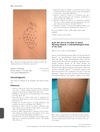
April 2010 in “British journal of dermatology/British journal of dermatology, Supplement” Frontal fibrosing alopecia can cause sudden hair loss on limbs, similar to scalp hair loss.
 26 citations
,
August 2016 in “Actas Dermo-Sifiliográficas”
26 citations
,
August 2016 in “Actas Dermo-Sifiliográficas” Frontal Fibrosing Alopecia in men is often missed and can come with symptoms like facial bumps and hair loss on eyebrows and limbs.
17 citations
,
June 2016 in “Archives de Pédiatrie” Frontal fibrosing alopecia can occur in children, not just postmenopausal women.
 12 citations
,
March 2018 in “Anais brasileiros de dermatologia/Anais Brasileiros de Dermatologia”
12 citations
,
March 2018 in “Anais brasileiros de dermatologia/Anais Brasileiros de Dermatologia” A patient had both chronic cutaneous lupus erythematosus and frontal fibrosing alopecia.
 7 citations
,
October 2015 in “Actas Dermo-Sifiliográficas”
7 citations
,
October 2015 in “Actas Dermo-Sifiliográficas” New treatments for Frontal Fibrosing Alopecia show promise, especially finasteride and dutasteride, with most patients seeing improvement or stabilization.
 6 citations
,
January 2017 in “British Journal of Dermatology”
6 citations
,
January 2017 in “British Journal of Dermatology” Frontal fibrosing alopecia is a scarring hair loss condition mainly affecting older women, with no known cause and treatments that may help stabilize hair loss.
2 citations
,
March 2007 in “The journal of investigative dermatology/Journal of investigative dermatology” A new type of hereditary hair loss in a Chinese family is linked to chromosome 2p25.1–2p23.2.
 1 citations
,
October 2018 in “Madridge journal of dermatology & research”
1 citations
,
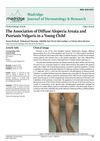
October 2018 in “Madridge journal of dermatology & research” A young child with alopecia areata and psoriasis improved with treatment, suggesting a link between the two conditions.