 1 citations
,
January 2015 in “Springer eBooks”
1 citations
,
January 2015 in “Springer eBooks” Chemotherapy can cause skin side effects that affect patients' lives, but they can be managed to avoid interrupting cancer treatment.
 1 citations
,
October 2014
1 citations
,
October 2014 The document concludes that diagnosing and managing plaque psoriasis, particularly in sensitive areas, is challenging and requires careful differentiation from similar skin conditions.
 1 citations
,
June 2012 in “Actas Dermo-Sifiliográficas”
1 citations
,
June 2012 in “Actas Dermo-Sifiliográficas” Early and aggressive treatment of scarring alopecia is important to prevent further hair follicle damage.
 1 citations
,
January 2012 in “International Journal of Trichology”
1 citations
,
January 2012 in “International Journal of Trichology” Early hair loss in men and women may indicate a higher risk of heart disease and metabolic problems.
 1 citations
,
December 2010 in “InnovAiT”
1 citations
,
December 2010 in “InnovAiT” The document concludes that accurate diagnosis and appropriate management are crucial for treating various hair disorders, which have significant psychological impacts.
 1 citations
,
January 2010 in “Türkiye klinikleri tıp bilimleri dergisi”
1 citations
,
January 2010 in “Türkiye klinikleri tıp bilimleri dergisi” A rare case showed hair regrowth after chemotherapy for thymoma, suggesting a link between alopecia areata and thymoma.
 April 2026 in “Human Genome Variation”
 The MBTPS2 gene variant c.970+5G>A is a common mutation causing IFAP syndrome.
 March 2026 in “American Journal of Clinical Dermatology”
 Cancer survivors need better skin care to improve their quality of life.

Including ineffective or unsafe doses in reviews can lead to misleading conclusions about alopecia areata treatments.
 January 2026 in “Forum Dermatologicum”
 Hair loss can be caused by cancer, treatments, or skin conditions, and trichoscopy helps diagnose it.
 January 2026 in “Frontiers in Medicine”
 A child has a rare hair and skin disorder due to specific gene variants, suggesting broader genetic testing is needed.
 December 2025 in “Frontiers in Medicine”
 ARWH is a rare hair disorder with no cure, but potential treatments include minoxidil and other therapies.
 October 2025 in “Journal of Skin and Sexually Transmitted Diseases”
 Alopecia areata patients often have undetected thyroid issues, so routine thyroid screening is recommended.
 August 2025 in “International Journal of Contemporary Pediatrics”
 HLD10 can include increased body hair and Mongolian spots.
 February 2025 in “Frontiers in Veterinary Science”
 Prussian Blue successfully treated thallium poisoning in a dog.
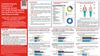 January 2025 in “SKIN The Journal of Cutaneous Medicine”
 People with alopecia areata face different healthcare access and experiences based on their race and ethnicity.
 January 2025 in “Bright Sky Publications eBooks”
 Advancements in medical physics and laser technology are improving healthcare but access remains unequal globally.
 January 2025 in “Journal of Rawalpindi Medical College”
 Alopecia Areata affects both genders almost equally, mostly on the scalp, with common signs like yellow dots and exclamation mark hairs, especially in young people.
 July 2024 in “Journal of Rare Diseases”
 Woodhouse-Sakati syndrome shows varied symptoms and genetic differences within families.
 June 2024 in “Dermatology and Therapy”
 Baricitinib improves quality of life and reduces anxiety and depression in severe alopecia areata patients with hair regrowth.
 May 2024 in “Journal of Education, Health and Sport”
 Current treatments for folliculitis decalvans include antibiotics, isotretinoin, and potential new therapies like botulinum toxin A and PRP.

Doctors should consider Netherton syndrome in patients with chronic skin and hair issues to avoid misdiagnosis.
 February 2024 in “PloS one”
 Tofacitinib and adalimumab are promising treatments for cicatricial alopecia with few side effects.
 December 2023 in “EPRA international journal of multidisciplinary research”
 Alopecia areata causes sudden hair loss, has genetic links, and can be managed but not cured.
 October 2023 in “Cognizance journal”
 The document suggests using natural remedies like bloodletting and honey for various health issues but lacks scientific evidence for their effectiveness.
 October 2023 in “Clinical and experimental dermatology and therapies”
 Doctors can quickly learn necessary skills and perform more procedures due to a strong educational system.
 September 2023 in “Medical and Clinical Case Reports”
 People with Alopecia Areata often have thyroid problems like Hashimoto thyroiditis and hypothyroidism.
 July 2023 in “International Journal of Ayurvedic Medicine”
 Hair can indicate health issues and help diagnose and treat conditions in Ayurveda.
 June 2023 in “International Journal of Clinical Research and Reports”
 Method B with propylene glycol is better for stable low-concentration DPCP solutions for alopecia areata.
 June 2023 in “Buletin de psihiatrie integrativă”
 Alopecia causes significant emotional distress and psychological issues, requiring combined skin and mental health treatment.