February 2025 in “Actas Dermo-Sifiliográficas” Low-dose oral minoxidil can help improve hair and eyebrow growth in people with frontal fibrosing alopecia.
 January 2025 in “Dermatologic Therapy”
 Baricitinib effectively promotes hair regrowth in alopecia areata patients with mild side effects.
November 2024 in “SKIN The Journal of Cutaneous Medicine” Alopecia areata severity and symptoms vary by race and ethnicity.
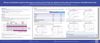 November 2024 in “SKIN The Journal of Cutaneous Medicine”
 Ritlecitinib effectively promotes hair regrowth in severe and very severe alopecia areata.
 October 2024 in “Open Repository of the University of Porto (University of Porto)”
 Pharmacists play a crucial role in improving treatment outcomes and staying updated on various health conditions.
 October 2024 in “La Tunisie Médicale”
 Over half of alopecia areata patients in Tunisia experience depression, highlighting the need for psychological support.
 September 2024 in “Journal of the American Academy of Dermatology”
 Baricitinib 4 mg is effective and safe for treating severe alopecia areata.
 September 2024 in “Journal of the American Academy of Dermatology”
 Facebook groups play a crucial role in supporting and guiding patients on scalp cooling and hair loss during chemotherapy.
 August 2024 in “Journal of the American Academy of Dermatology”
 Baricitinib effectively promotes hair regrowth in both scalp and nonscalp areas for alopecia areata universalis patients.
 July 2024 in “Medical alphabet”
 The SBN system effectively assesses alopecia areata severity and predicts its course.
July 2024 in “Journal of Investigative Dermatology” Alopecia areata causes negative emotions and stress due to hair loss and emotional triggers.
January 2024 in “Skin Appendage Disorders” Eyelash loss can temporarily occur from chemotherapy for retinoblastoma.
 January 2024 in “JOURNAL OF CLINICAL AND DIAGNOSTIC RESEARCH”
 Ayurvedic treatment helped a woman regrow her lost eyebrow and eyelash hair.
 November 2023 in “Annales de dermatologie et de vénéréologie, FMC”
 Baricitinib effectively treats severe alopecia for up to 104 weeks.
 October 2023 in “Case reports in dermatological medicine”
 A Jordanian family with Clouston syndrome has a common GJB6 gene mutation.
 June 2023 in “British Journal of Dermatology”
 Baricitinib was effective and safe for severe hair loss treatment over 6 months.
 May 2023 in “Dermatology and therapy”
 The document concludes that identifying the cause of eyebrow and eyelash loss is key to treating it and improving quality of life.

The document concludes that the girl's hairlessness is likely inherited from her parents.
 January 2023 in “Indian Dermatology Online Journal”
 Micropigmentation is a cosmetic tattooing technique for hiding skin issues and creating permanent makeup, but it can have side effects.
 October 2022 in “Ophthalmic Plastic and Reconstructive Surgery”
 A child lost eyelashes on one eyelid after COVID-19, likely due to a temporary hair loss condition.
 September 2022 in “Journal of Investigative Dermatology”
 Patient-reported outcomes better reflect the quality of life impact of alopecia areata than traditional severity scores.
 September 2022 in “Journal of The American Academy of Dermatology”
 Baricitinib was effective in regrowing eyebrow and eyelash hair in patients with severe alopecia areata.
 August 2022 in “medRxiv (Cold Spring Harbor Laboratory)”
 The goal is to create a tool for patients to report their experiences with various hair and scalp disorders.
 November 2018 in “Springer eBooks”
 The document concludes that specialized hair transplant techniques can be effective, with varying success rates depending on the donor area and patient factors.
Early diagnosis and treatment of frontal fibrosing alopecia are crucial to prevent permanent hair loss.
 December 2017 in “Facial Plastic Surgery”
 The document concludes that successful treatment of upper and midface trauma should focus on restoring both appearance and function, with attention to facial structure, skin, and hair repair.
August 2017 in “Journal of the Dermatology Nurses' Association” Latisse (bimatoprost 0.03%) is widely used in dermatology but the document doesn't give detailed evidence or numbers.
May 2015 in “Cancer research” After chemotherapy for early breast cancer, 33.4% of patients had long-term significant hair loss, with some hair regrowth over time, but treatments for hair loss were largely ineffective.
January 2015 in “Annals of dermatology/Annals of Dermatology” Using travoprost for glaucoma may cause extra hair growth and darker skin around the eyes, but these effects can reverse after stopping the drug.
 March 2012 in “Journal of The American Academy of Dermatology”
 Hand-foot-mouth disease may cause nail loss in children.