6 citations
,
January 2013 in “Journal of Ayurveda and integrative medicine” The detoxification process made Abrus precatorius seeds safe and effective for use.
 4 citations
,
October 2022 in “Elsevier eBooks”
4 citations
,
October 2022 in “Elsevier eBooks” Plant saponins from Indian plants are natural, cost-effective, and safe for use in soaps, detergents, and hair care products.
2 citations
,
October 2024 in “Phytochemistry Reviews” Abrus precatorius has medicinal benefits but can be toxic.
October 2025 in “Indonesian Journal of Pharmaceutical Science and Technology” Shallots may help lower blood sugar, but more research is needed.
 October 2024 in “Journal of Advanced Pharmaceutical Technology amp Research”
 Trigonelline nanocrystal cream effectively promotes hair growth and may reduce side effects.
 February 2024 in “ComFin Research”
 The soup mix with Avarampoo is a tasty, healthy alternative to energy drinks, offering various health benefits.
 August 2015 in “Dermatología Argentina”
 Frontal fibrosing alopecia causes hairline recession and eyebrow loss in postmenopausal women.
February 2026 in “The Plant Journal” ADF8 and ADF11 help root hairs grow by responding to hormones and environmental signals.
Arabidopsis Formin 2 stabilizes actin filaments, affecting cell-to-cell movement and virus susceptibility.
15 citations
,
September 2018 in “Frontiers in Plant Science” BcFLA1 protein is crucial for root hair growth in response to low phosphate in Brassica carinata.
37 citations
,
December 2020 in “PLANT PHYSIOLOGY” A mutant FERONIA gene affects root hair growth at high temperatures.
 1 citations
,
September 2021 in “CRC Press eBooks”
1 citations
,
September 2021 in “CRC Press eBooks” Frontal Fibrosing Alopecia is a hair loss condition mainly affecting postmenopausal women, with unclear causes and various clinical patterns.
November 2024 in “Dermatology and Therapy” Dermatologists should carefully choose treatments for FFA to avoid worsening the condition.
4 citations
,
December 2022 in “Evidence-based Complementary and Alternative Medicine” Phenolic compounds from Quercus acutissima leaves, especially casuarinin, may help treat acne.
 166 citations
,
April 2012 in “Journal of The American Academy of Dermatology”
166 citations
,
April 2012 in “Journal of The American Academy of Dermatology” Mostly postmenopausal Caucasian women get Frontal Fibrosing Alopecia, which often includes eyebrow loss and has limited treatment success.
 155 citations
,
September 2008 in “British journal of dermatology/British journal of dermatology, Supplement”
155 citations
,
September 2008 in “British journal of dermatology/British journal of dermatology, Supplement” FFA is more common in postmenopausal women, can affect younger women, and may stabilize over time.
7 citations
,
September 2024 in “PLANT PHYSIOLOGY” RALF22 is essential for root hair growth in response to fungal emissions in Arabidopsis.
 January 2025 in “Indian Journal of Dermatology”
 Frontal fibrosing alopecia is a challenging hair loss condition with no known cause or definitive treatment.
 October 2024 in “Bangladesh Journal of Botany”
 Figleaf gourd is more resistant to cinnamic acid stress than cucumber.
1 citations
,
August 2018 in “Journal of the American Academy of Dermatology” A young woman developed facial bumps before hair loss, which is unusual for her condition.
 6 citations
,
June 2019 in “International Journal of Dermatology”
6 citations
,
June 2019 in “International Journal of Dermatology” Frontal fibrosing alopecia has occurred in two related male families.
17 citations
,
July 2022 in “BMC Genomics” The FA2H gene improves cashmere fineness by enhancing hair growth in goats.
April 2019 in “Journal of Investigative Dermatology” Frontal Fibrosing Alopecia involves disrupted cholesterol pathways, fibrosis, and increased mast cells.
3 citations
,
December 2024 in “Stem Cell Reports” Low fucosylation boosts stem cell growth in the eye.
 68 citations
,
May 2016 in “Experimental dermatology”
68 citations
,
May 2016 in “Experimental dermatology” FFA's causes may include environmental triggers and genetic factors.
January 2016 in “Indian dermatology online journal” The patient has frontal fibrosing alopecia (FFA).
4 citations
,
January 2014 in “Vegetos” Ziziphus is a versatile plant with health benefits and commercial uses.

Early combination therapy can effectively regrow hair in frontal fibrosing alopecia.
 31 citations
,
April 2010 in “British journal of dermatology/British journal of dermatology, Supplement”
31 citations
,
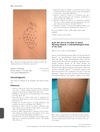
April 2010 in “British journal of dermatology/British journal of dermatology, Supplement” Frontal fibrosing alopecia can cause sudden hair loss on limbs, similar to scalp hair loss.
 6 citations
,
January 2017 in “British Journal of Dermatology”
6 citations
,
January 2017 in “British Journal of Dermatology” Frontal fibrosing alopecia is a scarring hair loss condition mainly affecting older women, with no known cause and treatments that may help stabilize hair loss.