
Melanoma characteristics vary by age, which could help doctors with diagnosis and prevention.
31 citations
,
March 2014 in “Journal of the European Academy of Dermatology and Venereology” BRAF inhibitors for melanoma often cause skin side effects, but they can be managed with proper care.
20 citations
,
November 2004 in “Archives of Pathology & Laboratory Medicine” A rare benign skin growth called melanocytic matricoma was identified in a 69-year-old man.
 April 2023 in “Australasian Journal of Dermatology”
 Lentiginous melanoma is most common on the face, especially the nose, cheek, and pre-auricular areas, with men more likely to have it on the scalp, ears, upper back, and trapezius, and women on the cheek and anterior arm. Sun damage is a key factor in its formation.
 April 2016 in “Journal of Investigative Dermatology”
 SOX4 is crucial for the development of melanoma.
 March 2022 in “JAMA Dermatology”
 In 2021, JAMA Dermatology published significant findings on skin conditions post-COVID vaccination, melanoma surveillance, atopic dermatitis treatments, and confirmed that sun protection does not harm bone health.
 September 2016 in “British Journal of Dermatology”
 Doctors need more training in skin cancer screening, a new treatment is effective for a skin condition, better diagnosis methods for skin cancer are available, hair loss in women may be linked to hormones and cholesterol, certain skin care products might cause hair loss, babies' skin gets weaker after birth, and a gene mutation might be linked to eczema.
1 citations
,
January 2007 in “Side effects of drugs annual” Dermatological treatments can have significant side effects, including allergic reactions, sexual dysfunction, and increased cancer risk.
 1 citations
,
April 2016 in “Journal of Investigative Dermatology”
1 citations
,
April 2016 in “Journal of Investigative Dermatology” UV photography can help identify people at higher risk for skin cancer, and male pattern baldness at age 45 is linked to a higher risk of certain skin cancers.
 April 2005 in “Dermatologic Clinics”
 The document summarizes recent dermatological treatments and advances in areas like pediatric care, wound healing, skin closure, light-based therapies, pigment disorders, hair loss, immunotherapy, infection management, melanoma, drug reactions, and facial rejuvenation.
 December 2023 in “JEADV. Journal of the European Academy of Dermatology and Venereology/Journal of the European Academy of Dermatology and Venereology”
 In 2023, there were major advancements in skin and venereal disease treatments.
 April 2005 in “Clinics in Plastic Surgery”
 Various surgical techniques effectively treat skin diseases and cosmetic issues.
 July 2004 in “British Journal of Dermatology”
 The document concludes that accurate diagnosis and treatment are crucial in dermatology, and it presents various findings on skin conditions and treatments.
 9 citations
,
September 2015 in “Medical Clinics of North America”
9 citations
,
September 2015 in “Medical Clinics of North America” The document explains how to do skin procedures, care after surgery, and when to use certain treatments.
 25 citations
,
May 2018 in “Clinical & Translational Oncology”
25 citations
,
May 2018 in “Clinical & Translational Oncology” New melanoma treatments can cause skin side effects, including skin cancer and rashes, but combining treatments may reduce these risks.
 April 2016 in “Journal of Investigative Dermatology”
 Tumor cell adhesion is linked to higher risk of SLN metastasis and melanoma recurrence, and a model including these factors predicts these outcomes better than one with just clinical data.
 24 citations
,
April 2017 in “Journal of Investigative Dermatology”
24 citations
,
April 2017 in “Journal of Investigative Dermatology” Age, smoking, and lower BMI increase facial wrinkles; men wrinkle more than women, except in old age; pale skin and certain hormonal factors can protect against wrinkles.
 20 citations
,
October 2018 in “Aesthetic Plastic Surgery”
20 citations
,
October 2018 in “Aesthetic Plastic Surgery” PRP shows promise for improving facial wrinkles, skin elasticity, and hair growth, but more research is needed to standardize its use and understand its effects.
 14 citations
,
August 2017 in “Dermatologic surgery”
14 citations
,
August 2017 in “Dermatologic surgery” Men are getting more facial fillers, and doctors should use different techniques and fillers for men's unique facial features to get natural results.
 December 2025 in “GeroScience”
 Genetics, epigenetics, and lifestyle all influence facial skin aging.
 July 2025 in “Archives of Sexual Behavior”
 Men's facial appearance shows age, body fat, and testosterone levels, not metabolic health.
 January 2024 in “Wiadomości Lekarskie”
 Autologous fat grafting for facial regeneration is widely used but lacks evidence on the best methods.
 August 2018 in “Journal of the American Academy of Dermatology”
 A new cosmetic cream reduced facial redness and skin temperature after 4 weeks of use.
 196 citations
,
March 2016 in “Nature Communications”
196 citations
,
March 2016 in “Nature Communications” Genetic factors influence hair traits like shape, color, and greying in Latin Americans.
 April 2019 in “Journal of Investigative Dermatology”
 The created skin model with melanoblasts improves the study of skin color and offers an alternative to animal testing.
 32 citations
,
September 2017 in “Journal of the American Academy of Dermatology”
32 citations
,
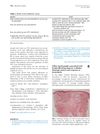
September 2017 in “Journal of the American Academy of Dermatology” Oral isotretinoin effectively treats yellow facial papules in frontal fibrosing alopecia patients.
 11 citations
,
February 2018 in “Archives of Pharmacal Research”
11 citations
,
February 2018 in “Archives of Pharmacal Research” Finasteride reduces melanin production, possibly treating hyperpigmentation and melanoma, but needs more safety research.
 April 2016 in “Journal of Investigative Dermatology”
 Mefloquine, an antimalarial drug, is effective in killing melanoma cells resistant to other treatments by causing lethal stress in the cells.
 21 citations
,
February 2013 in “Clinics in Dermatology”
21 citations
,
February 2013 in “Clinics in Dermatology” New treatments for advanced skin cancer are improving patient outcomes, but drug resistance and finding the right treatment combinations are still big challenges.
 June 2026 in “International Journal of Homoeopathic Sciences”
 Personalized homeopathic treatment improved chronic facial melasma and skin texture.