13 citations
,
January 2018 in “Skin Appendage Disorders” Dermoscopy improves diagnosis and treatment planning for trichostasis spinulosa.
 December 2020 in “Skin appendage disorders”
 A young man with an unusual type of scarring hair loss suggests a possible new variant of a known scalp condition.
7 citations
,
May 1978 in “Acta Dermato Venereologica” A 36-year-old man had unusual skin lesions on his face without hair loss.
 7 citations
,
August 2018 in “The American Journal of Dermatopathology”
7 citations
,
August 2018 in “The American Journal of Dermatopathology” Researchers found a new early sign of Frontal Fibrosing Alopecia that could help avoid misdiagnosis.
August 2016 in “The journal of investigative dermatology/Journal of investigative dermatology” Different types of skin cells create unique support structures that can affect skin cell growth and could help in skin repair.
 8 citations
,
June 2021 in “Journal of Cosmetic Dermatology”
8 citations
,
June 2021 in “Journal of Cosmetic Dermatology” The review found that COVID-19 can cause skin problems, including rashes and issues from wearing PPE, and suggests more research and protective measures for healthcare workers.
 June 1930 in “Archives of dermatology”
 Dermatological conditions are complex, and treatments have mixed results.
1 citations
,
April 2015 in “International Journal of Pediatrics and Adolescent Medicine” Cyclosporine-A can cause excessive hair growth, which usually stops after discontinuing the drug.
 July 2025 in “Journal of the European Academy of Dermatology and Venereology”
 A new treatment plan helps manage folliculitis decalvans effectively.

A 12-year-old girl was misdiagnosed with alopecia areata but actually had a nevus sebaceus with a genetic mutation.
March 2004 in “Journal of Investigative Dermatology” Razor bumps are linked to a genetic variant, misoprostol helps erythromelalgia pain, steroid ointments don't affect skin rhythms, and certain antibodies are common in localized scleroderma.
 9 citations
,
May 2013 in “JAMA Dermatology”
9 citations
,
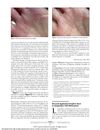
May 2013 in “JAMA Dermatology” Sunlight exposure improved a patient's skin condition, and there may be a link between a certain disease and skin growths; a leukemia treatment caused changes in hair color and growth.
 3 citations
,
March 2019 in “Case Reports”
3 citations
,
March 2019 in “Case Reports” A man with myotonic dystrophy type 1 had 28 skin cancers, suggesting a link between the disease and skin cancer, emphasizing the need for sun protection and regular skin checks.
 11 citations
,
October 2015 in “Journal der Deutschen Dermatologischen Gesellschaft”
11 citations
,
October 2015 in “Journal der Deutschen Dermatologischen Gesellschaft” Women who had bariatric surgery risk nutritional deficiencies causing skin issues during pregnancy and breastfeeding.
 October 2022 in “JAAD international”
 Most patients with autoimmune blistering diseases experienced some hair loss, which may be underreported and linked to disease severity.
 September 2017 in “Journal of Investigative Dermatology”
 Thermal imaging is a useful non-invasive method to diagnose active inflammation in frontal fibrosing alopecia.
48 citations
,
August 2001 in “Experimental dermatology” Researchers created a quick, cost-effective way to make skin-like tissue from hair follicles and fibroblasts.
December 2023 in “JEADV Clinical Practice” Brownish halos around axillary hair can help diagnose frontal fibrosing alopecia.
 February 2025 in “Indian Dermatology Online Journal”
 Sports influence skin condition names and help in diagnosis and treatment.
July 2018 in “IP Indian Journal of Clinical and Experimental Dermatology” A rare scalp condition was successfully treated with minocycline and clarithromycin.
September 2023 in “Journal of the American Academy of Dermatology” Sunscreen use is linked to frontal fibrosing alopecia, especially in males.
 October 2024 in “Hippocrates Medical Journal”
 Eating disorders often cause skin issues, which can help in early diagnosis and treatment.
1 citations
,
May 2024 in “Skin Appendage Disorders” Hair regrowth was achieved using 5-Fluorouracil and Bleomycin for scalp atrophy caused by corticosteroids.
 10 citations
,
August 2016 in “Oxford Medical Case Reports”
10 citations
,
August 2016 in “Oxford Medical Case Reports” Tocilizumab therapy may cause skin and hair conditions like halo naevi, vitiligo, and alopecia areata.
 October 2025 in “International Journal of Risk & Safety in Medicine”
 Oral tofacitinib successfully treated a girl's severe skin and hair conditions.
 September 2007 in “Journal of Investigative Dermatology”
 ANp63 is crucial for skin integrity, new filaggrin gene mutations link to eczema, hair can regrow from non-stem cells, sunburns are increasing, and glucocorticoids help treat skin allergies by affecting immune cells.
3 citations
,
December 2004 in “PubMed” A fungal infection caused skin lesions in farmed mink kits, but they remained healthy.
 16 citations
,
January 2006 in “The Aging Male”
16 citations
,
January 2006 in “The Aging Male” Hormone imbalances can cause skin diseases, and understanding these links is important for diagnosis and treatment.
 December 2025 in “Cureus”
 Alopecia areata and psoriasis vulgaris can inhibit each other in the same areas.
 November 2017 in “Research Journal of Health Sciences”
 Skin infections and eczema were most common in all ages, acne in teens and young adults, and nutritional skin problems and infestations in children.