 155 citations
,
September 2008 in “British journal of dermatology/British journal of dermatology, Supplement”
155 citations
,
September 2008 in “British journal of dermatology/British journal of dermatology, Supplement” FFA is more common in postmenopausal women, can affect younger women, and may stabilize over time.
 5 citations
,
June 2012 in “Journal of Cosmetic Dermatology”
5 citations
,
June 2012 in “Journal of Cosmetic Dermatology” Female pattern hair loss diagnosis is challenging and should use dermoscopy and histopathology instead of pattern recognition, as hormones may not always be the cause.
 4 citations
,
January 2020 in “Skin appendage disorders”
4 citations
,
January 2020 in “Skin appendage disorders” A woman with an unusual pattern of hair loss was confirmed to have Frontal Fibrosing Alopecia and treated with specific medications.
 23 citations
,
November 2018 in “Journal of the European Academy of Dermatology and Venereology”
23 citations
,
November 2018 in “Journal of the European Academy of Dermatology and Venereology” The study concluded that severity of Frontal fibrosing alopecia is not linked to how long someone has it, can start before menopause, and eyebrow loss may be an early sign.
 23 citations
,
April 2021 in “Journal of Clinical Medicine”
23 citations
,
April 2021 in “Journal of Clinical Medicine” Frontal Fibrosing Alopecia's cause is unclear, affects mainly postmenopausal women, and current treatments focus on stopping hair loss rather than regrowth.
6 citations
,
July 2004 in “JDDG Journal der Deutschen Dermatologischen Gesellschaft” Frontal fibrosing alopecia in postmenopausal women can be managed with early treatment using corticosteroids to stop hair loss.
 6 citations
,
January 2001 in “Dermatologic Surgery”
6 citations
,
January 2001 in “Dermatologic Surgery” Female pattern alopecia is common, starts in late 20s, and is not androgen dependent.
 January 2025 in “Revista del Centro Dermatológico Pascua”
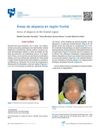
 Early diagnosis and treatment can help manage fibrosing alopecia in older women.

The study concluded that Frontal fibrosing alopecia can affect younger people, is often missed in men, and may be autoimmune-related.
4 citations
,
June 2017 in “Annales de dermatologie et de vénéréologie” The study found that a specific type of hair loss is increasingly common in premenopausal women and can be effectively diagnosed and treated with various medications.
1 citations
,
January 2012 in “Human health handbooks” Male pattern baldness is mainly caused by genetics and hormones, treatable with minoxidil and finasteride.
 November 1983 in “American Biology Teacher”
 Pattern baldness is likely caused by a dominant gene influenced by testosterone levels, making it more common in men.
1 citations
,
January 2024 in “Journal of personalized medicine” Hormonal imbalances during menopause may significantly contribute to Frontal Fibrosing Alopecia.
 7 citations
,
August 2018 in “The American Journal of Dermatopathology”
7 citations
,
August 2018 in “The American Journal of Dermatopathology” Researchers found a new early sign of Frontal Fibrosing Alopecia that could help avoid misdiagnosis.
March 2026 in “PubMed Central” Female pattern hair loss is common in women, treatable with medications, and can affect mental health.
 25 citations
,
July 2013 in “Journal of Dermatological Science”
25 citations
,
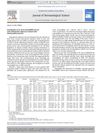
July 2013 in “Journal of Dermatological Science” Six new hair loss factors in men not linked to female hair loss.
June 2026 in “The Journal of Dermatology”  42 citations
,
June 2009 in “Journal of Cosmetic Dermatology”
42 citations
,
June 2009 in “Journal of Cosmetic Dermatology” Hair loss in males involves inflammation, collagen buildup, and follicle damage, with severity increasing with age and baldness duration.
Certain genes may influence hair loss differently in men and women.
 September 1997 in “Journal of The European Academy of Dermatology and Venereology”
 Hormonal differences affect male pattern baldness.
October 2025 in “Clinical and Experimental Dermatology” Fibrosing alopecia can be stabilized or improved with anti-inflammatory treatments and hair growth agents.
January 2016 in “Indian dermatology online journal” The patient has frontal fibrosing alopecia (FFA).
 166 citations
,
April 2012 in “Journal of The American Academy of Dermatology”
166 citations
,
April 2012 in “Journal of The American Academy of Dermatology” Mostly postmenopausal Caucasian women get Frontal Fibrosing Alopecia, which often includes eyebrow loss and has limited treatment success.
 6 citations
,
January 2019 in “Medical Hypotheses”
6 citations
,
January 2019 in “Medical Hypotheses” Frontal Fibrosing Alopecia might be an autoimmune disease.
May 2006 in “Ob Gyn News”  19 citations
,
April 2014 in “Hormones”
19 citations
,
April 2014 in “Hormones” Hormones and genetics play key roles in male and female baldness, which can affect mental health and may be linked to other health issues.
 6 citations
,
January 2017 in “British Journal of Dermatology”
6 citations
,
January 2017 in “British Journal of Dermatology” Frontal fibrosing alopecia is a scarring hair loss condition mainly affecting older women, with no known cause and treatments that may help stabilize hair loss.
 April 2017 in “Journal of Investigative Dermatology”
 Hair loss patterns differ between males and females due to 5 master regulators and JAK-STAT signaling affects hair growth.