Protein profiling of forehead skin can help distinguish between frontal fibrosing alopecia and androgenetic alopecia.
15 citations
,
January 2015 in “Skin Appendage Disorders” Increased scalp sweating in frontal fibrosing alopecia may be linked to local skin inflammation.
 September 2023 in “Journal of Cosmetic Dermatology”
 Finasteride was more effective than hydroxychloroquine in treating frontal fibrosing alopecia.
 August 2016 in “Journal of the Portuguese Society of Dermatology and Venereology”
 Two women with darker skin had both frontal hair thinning and skin discoloration.
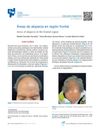 January 2025 in “Revista del Centro Dermatológico Pascua”
 Early diagnosis and treatment can help manage fibrosing alopecia in older women.
 1 citations
,
January 2018 in “Medical Science and Discovery”
1 citations
,
January 2018 in “Medical Science and Discovery” The document's conclusion cannot be provided as the content is not available for parsing.
October 2025 in “Lasers in Medical Science” 17 citations
,
June 2016 in “Archives de Pédiatrie” Frontal fibrosing alopecia can occur in children, not just postmenopausal women.
 27 citations
,
September 2018 in “Skin appendage disorders”
27 citations
,
September 2018 in “Skin appendage disorders” Hair transplantation may work for some types of scarring alopecia, but results vary and more research is needed.
 22 citations
,
January 2018 in “Experimental Dermatology”
22 citations
,
January 2018 in “Experimental Dermatology” The meeting focused on understanding, diagnosing, and finding treatments for irreversible hair loss diseases.
September 2025 in “Brazilian Journal of Health Review” Early diagnosis and less aggressive hair care improve outcomes for Black women with frontal fibrosing alopecia.
 2 citations
,
November 2015 in “Actas Dermo-Sifiliográficas”
2 citations
,
November 2015 in “Actas Dermo-Sifiliográficas” The document suggests a possible link between mast cells and scarring alopecia, recommending more research for potential treatments.
 July 2022 in “JEADV Clinical Practice”
 The document concludes that different types of permanent hair loss conditions are related and early treatment is key to preventing further damage.
 14 citations
,
September 2016 in “Journal of Cutaneous Pathology”
14 citations
,
September 2016 in “Journal of Cutaneous Pathology” The document concludes that new methods improve the accuracy of diagnosing scalp alopecia and challenges the old way of classifying it.
5 citations
,
October 2019 in “JAAD Case Reports” These hair loss conditions might be part of a spectrum, not separate issues.
 95 citations
,
November 2016 in “Journal of The American Academy of Dermatology”
95 citations
,
November 2016 in “Journal of The American Academy of Dermatology” Treatments for permanent hair loss from scarring aim to stop further loss, not regrow hair, and vary by condition, with partial success common.
 23 citations
,
April 2018 in “Journal der Deutschen Dermatologischen Gesellschaft”
23 citations
,
April 2018 in “Journal der Deutschen Dermatologischen Gesellschaft” Permanent hair loss from cicatricial alopecia is treated by reducing inflammation and managing symptoms, but regrowth in scarred areas is unlikely.
 27 citations
,
January 2015 in “Current problems in dermatology”
27 citations
,
January 2015 in “Current problems in dermatology” The document concludes that primary scarring alopecias cause permanent hair loss, have unpredictable outcomes, and lack definitive treatments, requiring personalized care.

Early and accurate identification of primary scarring alopecias is crucial to prevent permanent hair loss.
 5 citations
,
August 2019 in “International Journal of Women's Dermatology”
5 citations
,
August 2019 in “International Journal of Women's Dermatology” The document concludes that it's important to recognize and treat hair loss in women of color, considering their unique hair characteristics and psychological impact.
 2 citations
,
June 2016 in “Dermatologic Clinics”
2 citations
,
June 2016 in “Dermatologic Clinics” Dermatologists often neglect hair disorders due to complexity and lack of clear treatments, impacting patient care and highlighting the need for better education and interest in this area.
January 2024 in “Journal of the American Academy of Dermatology” Gabapentin helps with scalp itch, dutasteride works for frontal fibrosing alopecia, and more research is needed for better PCA treatments.
 2 citations
,
January 2023 in “Journal of Clinical Medicine”
2 citations
,
January 2023 in “Journal of Clinical Medicine” People with hair loss conditions may also have thyroid disorders, but more research is needed to understand the connection.
 22 citations
,
October 2020 in “Anais Brasileiros de Dermatologia”
22 citations
,
October 2020 in “Anais Brasileiros de Dermatologia” The Brazilian Society of Dermatology agrees that oral isotretinoin is effective for acne and other skin conditions, and it's safe when monitored, but more research is needed on dosing and duration.
 1 citations
,
July 2019 in “British Journal of Dermatology”
1 citations
,
July 2019 in “British Journal of Dermatology” Minoxidil was more effective than laser therapy for hair loss, and the report also highlighted the need for more research on PRP for a different hair loss condition, the impact of social media on alopecia views, and a warning on turmeric causing nail discoloration.
August 2025 in “American Journal of Dermatopathology” Accurate diagnosis and personalized treatment are crucial in dermatopathology.
 2 citations
,
February 2021 in “The Journal of clinical and aesthetic dermatology”
2 citations
,
February 2021 in “The Journal of clinical and aesthetic dermatology” Understanding the cause of bitemporal hair loss is key to deciding the right treatment.
 May 2022 in “Journal of the Egyptian Women's Dermatologic Society (Print)”
 Women's hair loss can be due to hormonal changes and various conditions, with treatments focusing on stopping progression and managing symptoms.
 3 citations
,
August 2022 in “JAAD case reports”
3 citations
,
August 2022 in “JAAD case reports” A woman developed swelling in her body after taking low-dose oral minoxidil for hair loss, but it resolved after stopping the medication.
1 citations
,
June 2025 in “Journal of Clinical Medicine” Frontal fibrosing alopecia often occurs after menopause, with delayed diagnosis and possible links to certain medications and conditions.