January 2016 in “Indian dermatology online journal” The patient has frontal fibrosing alopecia (FFA).
 November 2022 in “Journal of Investigative Dermatology”
 Most Recessive Dystrophic Epidermolysis Bullosa patients with a specific mutation likely have Sephardic ancestry from about 500 years ago.
26 citations
,
December 1979 in “Journal of Cutaneous Pathology” Seborrheic keratoses may partly come from hair follicle cells.
November 2024 in “JAAD Case Reports” A 21-month-old boy has a rare genetic disorder causing sparse hair due to an LSS gene mutation.
19 citations
,
April 1999 in “British Journal of Dermatology” Keratin 2e shows a unique pattern in developing fetal skin, different from other keratins.
June 2025 in “Dermatologic Surgery” Surgery can effectively treat severe eyelid turning out caused by a rare skin disorder.
 March 2019 in “Journal der Deutschen Dermatologischen Gesellschaft”
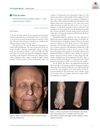
 Rothmund-Thomson syndrome type 2 can cause chronic, poorly healing wounds.
17 citations
,
June 2016 in “Archives de Pédiatrie” Frontal fibrosing alopecia can occur in children, not just postmenopausal women.
 2 citations
,
August 2013 in “British Journal of Dermatology”
2 citations
,
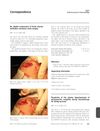
August 2013 in “British Journal of Dermatology” Chemotherapy improved a girl's painful foot condition linked to pachyonychia congenita.
 January 2022 in “Revista Dermatológica Centro Uraga”
 Monilethrix is a genetic hair disorder affecting hair shape, seen in two brothers.
50 citations
,
September 2009 in “Molecular Genetics and Metabolism” A new gene mutation causes vitamin D resistance and rickets, treatable with calcium therapy.
The trichohyalin gene is located at chromosomal region 1q21 with other skin-related protein genes.
February 2026 in “Journal of Chittagong Medical College Teachers Association” A 17-year-old girl with Kartagener's syndrome also has unusual skin, hair, and nail issues.
August 1993 in “Journal of Dermatological Science”  5 citations
,
December 1964 in “Australasian journal of dermatology”
5 citations
,
December 1964 in “Australasian journal of dermatology” Congenital atrichia is a rare condition where children are born without hair, and treatment is often ineffective.
 August 2023 in “Journal of Investigative Dermatology”
 Different body areas have unique skin cell communication patterns, explaining why certain skin diseases occur in specific regions.
8 citations
,
January 2014 in “Indian Dermatology Online Journal” Trichostasis spinulosa is a common but often unnoticed skin condition involving bundled vellus hairs, especially in people with darker skin or UV exposure.
1 citations
,
April 2016 in “Journal of the American Academy of Dermatology” Autoimmune conditions can be linked to trichoepitheliomas, with treatment focusing on cosmetic concerns.
 July 2024 in “British journal of dermatology/British journal of dermatology, Supplement”
 A variant in the KRT31 gene causes a rare hereditary hair disorder called monilethrix.
4 citations
,
May 2020 in “The journal of pediatrics/The Journal of pediatrics” A boy with monilethrix has brittle hair that breaks easily due to a genetic condition, which might improve by puberty.
139 citations
,
September 2001 in “The journal of investigative dermatology/Journal of investigative dermatology” Mutations in the Vitamin D receptor gene can cause hair loss similar to mutations in the Hairless gene.
29 citations
,
February 1989 in “Journal of Cutaneous Pathology” A unique hair tumor with a rippled pattern was identified, showing incomplete differentiation and unusual cell arrangements.
August 2024 in “Indian Dermatology Online Journal” DCPA commonly affects males' lower legs, showing follicular pustules and white areas.
33 citations
,
October 1996 in “Journal of Investigative Dermatology”  January 2023 in “International Journal of Contemporary Pediatrics”
 A rare genetic disease causes rickets and often hair loss in young children, which can improve with specific treatments.
26 citations
,
April 2011 in “British Journal of Dermatology” New mutations in the DSG4 gene cause a rare hair condition.
 6 citations
,
August 2012 in “The Journal of Pediatrics”
6 citations
,
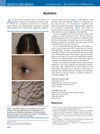
August 2012 in “The Journal of Pediatrics” A 12-year-old girl was diagnosed with monilethrix, a genetic condition causing fragile, beaded hair that breaks easily, with no effective treatment available.
 74 citations
,
January 2006 in “The journal of investigative dermatology/Journal of investigative dermatology”
74 citations
,
January 2006 in “The journal of investigative dermatology/Journal of investigative dermatology” Mutations in the DSG4 gene can cause a rare hair disorder similar to monilethrix.
January 2023 in “Indian Dermatology Online Journal” Two newborns with rare skin infections were successfully treated with antifungal cream.
19 citations
,
November 1985 in “Archives of Dermatology” The newborn's skin blisters healed without scarring, leaving some light spots, and stopped forming after four months.