 124 citations
,
October 2019 in “Frontiers in Immunology”
124 citations
,
October 2019 in “Frontiers in Immunology” Janus kinase inhibitors are promising treatments for autoimmune skin diseases like eczema and psoriasis.
 26 citations
,
June 2016 in “Pediatric Dermatology”
26 citations
,
June 2016 in “Pediatric Dermatology” Premature hair graying in young Turkish adults is more likely if they have stress, a family history of graying, drink alcohol, have chronic diseases, are older, or are taller.
September 2025 in “Middle East Current Psychiatry” Caregivers of chronic skin disease patients face significant burdens that harm their quality of life.
 December 2004 in “Medicine”
 A thorough history and examination are crucial for diagnosing skin diseases, which affect up to a third of people. This includes details about skin lesions, medication, general health, lifestyle, family, and contacts, as well as examining the rash, hair, nails, and mucous membranes. Changes in hair and nails can also indicate other medical and skin disorders.
3 citations
,
March 2012 in “Journal of the Egyptian Public Health Association /Journal of the Egyptian Public Health Association” General practitioners in Qassim have satisfactory knowledge of alopecia areata but need more education to address gaps and misconceptions.
35 citations
,
October 2017 in “JAMA dermatology” Children with alopecia areata should only have thyroid screening if they have Down syndrome, a history of atopy, family history of thyroid disease, or signs of thyroid problems.
16 citations
,
January 2018 in “International journal of trichology” Genetics and nutritional deficiencies are key factors in premature graying of hair.
 December 2023 in “Journal of family medicine and primary care”
 Hair loss in Saudi Arabia causes a low psychosocial impact, with less effect on those without a family history of hair loss.
 24 citations
,
September 2008 in “Clinical and experimental dermatology”
24 citations
,
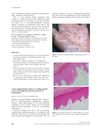
September 2008 in “Clinical and experimental dermatology” Repigmentation in vitiligo may come from melanocyte stem cells in the skin.
 1 citations
,
June 2013 in “Medicine”
1 citations
,
June 2013 in “Medicine” A thorough skin history and full examination are important for diagnosing and understanding the impact of skin diseases.
A thorough skin history and examination are essential for diagnosing and treating skin conditions effectively.
 46 citations
,
August 2016 in “Journal of The American Academy of Dermatology”
46 citations
,
August 2016 in “Journal of The American Academy of Dermatology” The study found that family history, personal history of adolescent acne, no pregnancies, hirsutism, office work, stress, and low intake of fruits/vegetables and fish are risk factors for adult female acne.
 January 2024 in “Dermatology practical & conceptual”
 Male gender and family history predict alopecia areata recurrence.
 3 citations
,
May 2024 in “Journal of Drug Delivery and Therapeutics”
3 citations
,
May 2024 in “Journal of Drug Delivery and Therapeutics” Aftimoon has potential health benefits for various diseases and could be integrated into modern healthcare.
 3 citations
,
March 2021 in “JAAD case reports”
3 citations
,
March 2021 in “JAAD case reports” Switching from adalimumab to ixekizumab improved a patient's psoriasis and reversed hair whitening.
 August 2018 in “Journal of The American Academy of Dermatology”
 Hair loss in twins may be linked to family history of hair loss, high blood pressure, heart disease, and possibly anxiety, but more research is needed.
 3 citations
,
December 2018 in “Journal of Pakistan Association of Dermatology”
3 citations
,
December 2018 in “Journal of Pakistan Association of Dermatology” Alopecia areata mainly affects young people, often showing as patchy hair loss on the scalp.
 2 citations
,
March 2023 in “Journal of Nepal Medical Association”
2 citations
,
March 2023 in “Journal of Nepal Medical Association” Many young medical students have early grey hair, especially males, often linked to family history.
 August 2018 in “Journal of The American Academy of Dermatology”
 Children with alopecia areata should only get thyroid screening if they have Down syndrome, a family history of thyroid disease, atopy, or signs of thyroid problems.
 6 citations
,
January 2011 in “Journal of pediatric endocrinology & metabolism/Journal of pediatric endocrinology and metabolism”
6 citations
,
January 2011 in “Journal of pediatric endocrinology & metabolism/Journal of pediatric endocrinology and metabolism” An 11-year-old Greek girl was diagnosed with a rare genetic disorder, highlighting the importance of genetic testing and family history.
 5 citations
,
January 2015 in “Current problems in dermatology”
5 citations
,
January 2015 in “Current problems in dermatology” The document concludes that a thorough history, physical exam, and specific tests are crucial for diagnosing and managing hair loss effectively.
 46 citations
,
November 1995 in “The Journal of Dermatology”
46 citations
,
November 1995 in “The Journal of Dermatology” Alopecia areata was most common in people in their 30s and 40s, with some family history and a higher relapse rate, and larger bald areas responded better to specific immunotherapy.
 2 citations
,
January 2020 in “Skin appendage disorders”
2 citations
,
January 2020 in “Skin appendage disorders” Early onset, severe types, nail changes, family history, and body hair loss worsen alopecia areata prognosis; sticking to treatment helps.
 86 citations
,
August 2014 in “Journal of The American Academy of Dermatology”
86 citations
,
August 2014 in “Journal of The American Academy of Dermatology” To diagnose hair loss, use a systematic approach including history, exams, and tests.

Premature hair graying is common and linked to stress, obesity, vitamin deficiencies, family history, lack of exercise, smoking, and allergies.
 1 citations
,
October 2019 in “International journal of contemporary pediatrics”
1 citations
,
October 2019 in “International journal of contemporary pediatrics” A 12-year-old boy with twenty nail dystrophy, a condition affecting all nails, was treated conservatively due to its self-limiting nature and good prognosis.
 September 2024 in “Cureus”
 A 10-year-old boy's nail condition is mainly cosmetic and improves over time with treatment.
 89 citations
,
October 1996 in “Dermatologic Clinics”
89 citations
,
October 1996 in “Dermatologic Clinics” Alopecia areata is likely caused by a combination of genetic factors and immune system dysfunction, and may represent different diseases with various causes.
 14 citations
,
January 1985 in “International Journal of Dermatology”
14 citations
,
January 1985 in “International Journal of Dermatology” The cause of alopecia areata was unknown, and while various treatments existed, no best treatment was agreed upon.
 1 citations
,
February 2004 in “Journal of The European Academy of Dermatology and Venereology”
1 citations
,
February 2004 in “Journal of The European Academy of Dermatology and Venereology” Hair loss improved with treatment and successful transplant.