 316 citations
,
June 2017 in “Stem Cell Research & Therapy”
316 citations
,
June 2017 in “Stem Cell Research & Therapy” Fat tissue-derived cells show promise for repairing body tissues, but more research and regulation are needed for safe use.
16 citations
,
July 2008 in “BMC Genomics” Alpha 6 + /MHCI - cells have stem cell traits and are similar to mouse hair follicle stem cells.
43 citations
,
September 2009 in “Stem Cells” A nonviral method was developed to label and culture human hair follicle stem cells.
1 citations
,
May 2024 in “Communications Biology” Dab2 protein is crucial for hair follicle stem cell renewal and preventing early aging.
 225 citations
,
April 2018 in “Journal of Investigative Dermatology”
225 citations
,
April 2018 in “Journal of Investigative Dermatology” Two main types of fibroblasts with unique functions and additional subtypes were identified in human skin.
 February 2024 in “Skin research and technology”
 The research suggests that immune cells and a specific type of cell death called ferroptosis are involved in Frontal fibrosis alopecia.
47 citations
,
June 2013 in “Biology of blood and marrow transplantation” Mice with human fetal thymic tissue and stem cells developed symptoms similar to chronic graft-versus-host disease.
 10 citations
,
January 2016 in “Annals of Dermatology”
10 citations
,
January 2016 in “Annals of Dermatology” 3D-cultured dermal papilla cells are better at inducing hair follicles than adipose-derived stem cells.
 1 citations
,
April 2017 in “Journal of Investigative Dermatology”
1 citations
,
April 2017 in “Journal of Investigative Dermatology” D-OCT shows increased blood vessel growth in response to tissue damage in Frontal Fibrosing Alopecia and is useful for diagnosis and monitoring.
 35 citations
,
February 2015 in “Experimental Dermatology”
35 citations
,
February 2015 in “Experimental Dermatology” Cells from the base of hair follicles help blood vessel cells survive and grow, which is important for healthy hair.
 November 2023 in “The journal of investigative dermatology/Journal of investigative dermatology”
 ARQ-234, a protein designed to treat atopic dermatitis, shows increased effectiveness in early testing.
 2 citations
,
July 2009 in “Circulation Research”
2 citations
,
July 2009 in “Circulation Research” CD133+ progenitor cells have therapeutic potential for diabetic ulcers and heart attack recovery, with manageable risks.
 November 2022 in “Journal of Investigative Dermatology”
 Scientists found a new type of skin cell that could help with skin repair and these cells work better with a certain protein.
 September 2021 in “CRC Press eBooks”
 Fibrosing alopecia in a pattern distribution is a type of hair loss that may often be overlooked, especially in men.
 1 citations
,
July 2018 in “Elsevier eBooks”
1 citations
,
July 2018 in “Elsevier eBooks” FAPD and possibly CCCA may be AGA subtypes, and treatments combining antiandrogens, hair growth agents, hair transplants, and anti-inflammatories could be effective.
141 citations
,
May 2007 in “Cancer Research” CD34 is crucial for skin tumor development in mice.
 10 citations
,
May 2018 in “Cell death discovery”
10 citations
,
May 2018 in “Cell death discovery” HSP90 and lamin A/C are crucial for hair growth and could be targets for treating hair loss.
29 citations
,
June 2014 in “Experimental Cell Research” EGF–FGF2 helps mouse stem cells grow and become more like nerve cells.
September 2019 in “The journal of investigative dermatology/Journal of investigative dermatology” PPARγ signaling modulation can protect hair follicle stem cells from chemotherapy-induced damage.
11 citations
,
June 2010 in “Medical Molecular Morphology” January 2017 in “PRISM (University of Calgary)” Unique genes in hair follicle cells help tissue regeneration.
 April 2025 in “Journal of Investigative Dermatology”
 Fibronectin is essential for hair follicle regeneration by supporting stem cells.

Canine fetal hair follicle stem cells show pluripotency, with higher S100 protein expression at 40 days.
November 2025 in “Journal of Investigative Dermatology” Certain CD8+ T cells attack hair follicles in alopecia areata, suggesting they could be targeted for treatment.
November 2022 in “Journal of Investigative Dermatology” A new tool helps study hair follicle cells to develop better treatments for hair disorders.
July 2024 in “Journal of Investigative Dermatology” CD8+ T cells expand significantly in alopecia areata, suggesting new treatment targets.
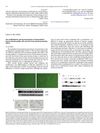 13 citations
,
September 2010 in “Journal of Dermatological Science”
13 citations
,
September 2010 in “Journal of Dermatological Science” Researchers made a cell line that grows quickly and can help with hair growth research.
Human hair follicle stem cells can be enriched by sticking to type IV collagen.
3 citations
,
April 2018 in “Journal of Investigative Dermatology” CCCA may be a fibroproliferative disorder, and anti-fibrotic therapies could help.
November 2025 in “Cancer Cell International” Cancer-associated fibroblasts promote tumor growth in skin cancer.