4 citations
,
February 2023 in “International Journal of Stem Cells” The FTO gene hinders stem cells in hair follicles from becoming pigment cells.
 2 citations
,
October 2021 in “Bioinformation”
2 citations
,
October 2021 in “Bioinformation” Certain gene variants are linked to a higher risk of polycystic ovary syndrome, hair loss, and obesity in women from western Saudi Arabia.
 65 citations
,
January 2018 in “Nature Reviews Endocrinology”
65 citations
,
January 2018 in “Nature Reviews Endocrinology” Skin fat has important roles in hair growth, skin repair, immune defense, and aging, and could be targeted for skin and hair treatments.
 November 2022 in “Journal of Investigative Dermatology”
 The research found specific genes that are more active in balding cells, which could be causing hair loss.
 58 citations
,
January 2013 in “The Journal of Clinical Endocrinology and Metabolism”
58 citations
,
January 2013 in “The Journal of Clinical Endocrinology and Metabolism” Obese women with PCOS show a male-like pattern in certain fat tissue gene expressions.
 38 citations
,
June 2005 in “Matrix Biology”
38 citations
,
June 2005 in “Matrix Biology” Minoxidil affects collagen-related genes, potentially helping treat fibrosis.
 18 citations
,
October 2021 in “Frontiers in Physiology”
18 citations
,
October 2021 in “Frontiers in Physiology” Lipocalin-Type Prostaglandin D2 Synthase (L-PGDS) is a protein that plays many roles in the body, including sleep regulation, pain management, food intake, and protection against harmful substances. It also affects fat metabolism, glucose intolerance, cell maturation, and is involved in various diseases like diabetes, cancer, and arthritis. It can influence sex organ development and embryonic cell differentiation, and its levels can be used as a diagnostic marker for certain conditions.
July 2026 in “bioRxiv (Cold Spring Harbor Laboratory)” Hair regrows faster at the front than the back of mouse skin.
 75 citations
,
October 2016 in “Genes & Development”
75 citations
,
October 2016 in “Genes & Development” Cells in hair follicles help create fat cells in the skin by releasing a protein called Sonic Hedgehog.
 9 citations
,
July 2020 in “Biomedicine & Pharmacotherapy”
9 citations
,
July 2020 in “Biomedicine & Pharmacotherapy” Mitochondrial therapy and platelet-rich plasma therapy both stimulated hair regrowth in aging mice, with mitochondrial therapy showing similar effectiveness to plasma therapy.
1 citations
,
January 2013 Glucosylceramides are essential for healthy skin and proper wound healing.
 April 2018 in “Journal of Investigative Dermatology”
 Aging reduces skin cell renewal and defense against germs due to TGFbeta, but blocking TGFbeta could help restore these functions.
 26 citations
,
February 2020 in “Frontiers in genetics”
26 citations
,
February 2020 in “Frontiers in genetics” The CORT, FGF5, and CD36 genes are crucial for the cold weather adaptation of Yanbian cattle.
 107 citations
,
August 2012 in “Seminars in Cell & Developmental Biology”
107 citations
,
August 2012 in “Seminars in Cell & Developmental Biology” The document concludes that understanding the sebaceous gland's development and function is key to addressing related skin diseases and aging effects.
 45 citations
,
August 2018 in “Stem Cells International”
45 citations
,
August 2018 in “Stem Cells International” Stem cells, especially from fat tissue and Wharton's jelly, can potentially regenerate hair follicles and treat hair loss, but more research is needed to perfect the treatment.
 14 citations
,
November 2020 in “International Journal of Molecular Sciences”
14 citations
,
November 2020 in “International Journal of Molecular Sciences” Advanced therapies like gene, cell, and tissue engineering show promise for hair regrowth in alopecia, but their safety and effectiveness need more verification.
8 citations
,
July 2020 in “BMC genomics” The research found genes that change during cashmere goat hair growth and could help determine the best time to harvest cashmere.
 1 citations
,
February 2018 in “Madridge journal of dermatology & research”
1 citations
,
February 2018 in “Madridge journal of dermatology & research” The plant extract remedy Satura® Rosta promotes hair growth and regrowth without negative effects.
 April 2026 in “bioRxiv (Cold Spring Harbor Laboratory)”
 Red light exposure can slow aging in mice by improving fat metabolism.
 September 2023 in “Frontiers in Medicine”
 The scalp fat tissue of men with hair loss shows changes in gene activity that may contribute to their condition.

Mesenchymal stem cells from laser-assisted liposuction are as effective and safe as those from conventional methods for cell therapy.
 May 2021 in “Our Dermatology Online”
 A woman with a rare scalp condition causing a thick scalp and hair loss didn't improve with steroid treatment.
 September 2017 in “Journal of Investigative Dermatology”
 Aging causes sweat glands to shrink and move upward, leading to less elastic skin and more wrinkles.
 37 citations
,
February 2019 in “Experimental Dermatology”
37 citations
,
February 2019 in “Experimental Dermatology” Spiny mice are better at regenerating hair after injury than laboratory mice and could help us understand how to improve human skin repair.
 March 2019 in “Journal der Deutschen Dermatologischen Gesellschaft”
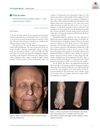
 Rothmund-Thomson syndrome type 2 can cause chronic, poorly healing wounds.
March 2011 in “Open Archive (Karolinska Institutet)” The mouse model showed defects in adult stem cell maintenance related to Hutchinson-Gilford progeria syndrome.
3 citations
,
October 2024 in “International Journal of Molecular Sciences” Certain genes in fat tissue affect weight loss in women with PCOS.
 218 citations
,
October 2013 in “Proceedings of the National Academy of Sciences of the United States of America”
218 citations
,
October 2013 in “Proceedings of the National Academy of Sciences of the United States of America” Mice lacking the PPARγ gene in their fat cells had almost no fat tissue, severe metabolic problems, and abnormal development of other fat-related tissues.
29 citations
,
July 2013 in “Journal of Investigative Dermatology” UV radiation causes skin cancer, but sunscreens and certain drugs can help prevent it.
 April 2019 in “The journal of investigative dermatology/Journal of investigative dermatology”
 848 genes related to fat and metabolism are less active in people with Central Centrifugal Cicatricial Alopecia.