 103 citations
,
December 2011 in “Journal of the American Academy of Dermatology”
103 citations
,
December 2011 in “Journal of the American Academy of Dermatology” Chemotherapy often causes temporary hair loss, which is distressing and needs better treatment and support.
 56 citations
,
January 2019 in “Skin appendage disorders”
56 citations
,
January 2019 in “Skin appendage disorders” The most common hair loss type at specialist clinics is androgenetic alopecia, especially in younger men, followed by alopecia areata and telogen effluvium, with differences seen across regions.
 30 citations
,
January 2020 in “Journal of The American Academy of Dermatology”
30 citations
,
January 2020 in “Journal of The American Academy of Dermatology” Fibrosing alopecia in a pattern distribution is a hair loss condition often confused with other types, requiring early treatment but usually not resulting in significant hair regrowth.
 30 citations
,
March 2015 in “Journal of Dermatology”
30 citations
,
March 2015 in “Journal of Dermatology” Hair thickness differences help diagnose hair loss severity.
 27 citations
,
January 2015 in “Current problems in dermatology”
27 citations
,
January 2015 in “Current problems in dermatology” The document concludes that primary scarring alopecias cause permanent hair loss, have unpredictable outcomes, and lack definitive treatments, requiring personalized care.
 24 citations
,
September 1985 in “Journal of The American Academy of Dermatology”
24 citations
,
September 1985 in “Journal of The American Academy of Dermatology” The report suggests a possible link between hair loss and hidden scalp tumors but states more evidence is needed to confirm this.
 22 citations
,
June 2013 in “Australasian Journal of Dermatology”
22 citations
,
June 2013 in “Australasian Journal of Dermatology” Early stage bald spots are linked to skin inflammation and damage to the upper part of the hair follicle.
 22 citations
,
June 2004 in “Journal of The European Academy of Dermatology and Venereology”
22 citations
,
June 2004 in “Journal of The European Academy of Dermatology and Venereology” A woman had both Graham Little-Piccardi-Lassueur syndrome, causing hair loss, and complete androgen insensitivity syndrome, making her genetically male but physically female. This suggests androgens don't affect the hair loss condition.
 18 citations
,
February 2017 in “Journal of Cosmetic Dermatology”
18 citations
,
February 2017 in “Journal of Cosmetic Dermatology” Mesotherapy for hair loss can sometimes cause more hair loss and scarring.
 15 citations
,
May 2020 in “Journal of Dermatological Treatment”
15 citations
,
May 2020 in “Journal of Dermatological Treatment” PRP treatment increases hair density and thickness in androgenetic alopecia by 79%.
 12 citations
,
March 2004 in “International Journal of Dermatology”
12 citations
,
March 2004 in “International Journal of Dermatology” Woman's hair loss diagnosis changed from CTE to AA; multiple biopsies important for accurate diagnosis.
 11 citations
,
May 2021 in “Journal of The American Academy of Dermatology”
11 citations
,
May 2021 in “Journal of The American Academy of Dermatology” COVID-19 doesn't make alopecia areata worse.
 9 citations
,
January 2010 in “International Journal of Trichology”
9 citations
,
January 2010 in “International Journal of Trichology” The study found that the cause of alopecia areata can be identified through tissue analysis, and vertical sections are enough for diagnosis.
 8 citations
,
September 2011 in “European Journal of Dermatology”
8 citations
,
September 2011 in “European Journal of Dermatology” Most treatments for Frontal Fibrosing Alopecia are ineffective, but early anti-inflammatory therapy may help and the condition may stabilize over time.
 5 citations
,
December 2015 in “Dermatologic Therapy”
5 citations
,
December 2015 in “Dermatologic Therapy” Using a certain drug on the skin can help prevent hair loss caused by pulling on the hair.
 4 citations
,
February 2021 in “International Journal of Dermatology”
4 citations
,
February 2021 in “International Journal of Dermatology” Prostaglandins may contribute to male hair loss; targeting them could help treat it.
 3 citations
,
July 2018 in “JAAPA”
3 citations
,
July 2018 in “JAAPA” Some birth control pills can cause hair loss, and switching to ones with less androgen should help.
 3 citations
,
August 2013 in “International journal of research in Ayurveda and pharmacy”
3 citations
,
August 2013 in “International journal of research in Ayurveda and pharmacy” Hairbac tablet and oil significantly improve hair texture, density, and reduce hair loss without side effects.
 3 citations
,
October 1982 in “Postgraduate Medicine”
3 citations
,
October 1982 in “Postgraduate Medicine” Most types of hair loss can regrow naturally, but there are no effective cures for male pattern or age-related hair loss, and only limited options for females.
 3 citations
,
November 1999 in “Journal of Cutaneous Medicine and Surgery”
3 citations
,
November 1999 in “Journal of Cutaneous Medicine and Surgery” AGA is a genetic, hormonal hair loss treated with finasteride, minoxidil, and supplements, but new compounds are being developed.
 2 citations
,
January 1997 in “Archives of Dermatology”
2 citations
,
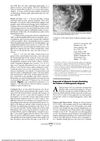
January 1997 in “Archives of Dermatology” Alopecia areata can regrow hair in a pattern similar to androgenetic alopecia.
 1 citations
,
July 2018 in “Journal of The American Academy of Dermatology”
1 citations
,
July 2018 in “Journal of The American Academy of Dermatology” Sebaceous glands are often preserved and PPARy expression is constant in some cases of Central Centrifugal Cicatricial Alopecia.
 1 citations
,
January 2011
1 citations
,
January 2011 The document concludes that androgenetic alopecia is common, has a genetic link, and can be diagnosed and treated with medications like finasteride and minoxidil.
 1 citations
,
May 2017 in “InTech eBooks”
1 citations
,
May 2017 in “InTech eBooks” The document explains the causes, types, diagnosis, and treatments of hair loss, and its psychological impact, especially on women.

COVID-19 infection and vaccination are linked to hair loss, especially in women and those with nutritional deficiencies.
 December 2025 in “International Journal of Innovative Technologies in Social Science”
 Effective treatments for hair loss include minoxidil, 5α-reductase inhibitors, and personalized combination therapies.
 September 2025 in “Frontiers in Medicine”
 Combining minoxidil with other treatments is more effective for hair growth than using minoxidil alone.
 January 2025 in “International Journal of Dermatology Sciences”
 Androgenetic alopecia is the most common type of non-scarring hair loss, especially in young males, and early diagnosis and treatment are important.
 February 2024 in “Curēus”
 Secukinumab can cause hair loss, which may improve after stopping the medication.
 October 2023 in “Benha Journal of Applied Sciences”
 Insulin resistance may contribute to hair loss in people with androgenic alopecia.