January 2012 in “Heilongjiang xumu shouyi” EGF and KGF affect wool fineness in Gansu alpine Merino sheep.
April 2019 in “Journal of Investigative Dermatology” Targeting immune pathways like JAK/STAT may help treat frontal fibrosing alopecia.
10 citations
,
December 1990 in “Archives of Dermatological Research” November 2006 in “評価・診断に関するシンポジウム講演論文集” KSR1 is crucial for certain skin tumor formation and could be a cancer therapy target.

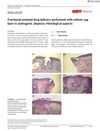
Tofacitinib significantly improved symptoms in a patient with overlapping autoimmune disorders.
 January 2021 in “Dermatologic Therapy”
 Channels stay open for 24 hours, making laser treatment potentially effective for hair loss.
September 2023 in “Journal of the American Academy of Dermatology” Current guidelines may overlook beard and sideburn involvement in diagnosing frontal fibrosing alopecia in men.
July 2026 in “bioRxiv (Cold Spring Harbor Laboratory)” FAKΔe4 helps cells sense and respond to different stiffness levels in their environment.
 9 citations
,
July 2021 in “Frontiers in Pharmacology”
9 citations
,
July 2021 in “Frontiers in Pharmacology” Cholesterol-modified siRNAs targeting certain genes increased hair growth in mice.
April 2026 in “Journal of Dermatological Treatment” CGF and i-PRF are more effective and safer than PRP for treating female pattern hair loss.
 1 citations
,
January 2013 in “Hair therapy & transplantation”
1 citations
,
January 2013 in “Hair therapy & transplantation” The document does not provide information about hair loss treatment.
 10 citations
,
November 2017 in “Journal of Investigative Dermatology”
10 citations
,
November 2017 in “Journal of Investigative Dermatology” A mutation in the FAM83G gene is linked to skin and hair abnormalities in two related individuals.
9 citations
,
March 1987 in “British Journal of Dermatology” EGF and FGF can boost hair growth by speeding up cell growth.
 1 citations
,
November 2005 in “Dermatologic Surgery”
1 citations
,
November 2005 in “Dermatologic Surgery” Aminoguanidine increases VEGF in stored hair micrografts, potentially improving their viability after transplant.
 November 2022 in “Research Square (Research Square)”
 Using facial sunscreen and moisturizer may increase the risk of frontal fibrosing alopecia.
56 citations
,
February 2013 in “International Journal of Molecular Medicine” Growth factors help hair follicle stem cells grow and stay versatile.
 7 citations
,
March 2007 in “International Journal of Dermatology”
7 citations
,
March 2007 in “International Journal of Dermatology” Targeting FGFR-1 with antisense oligonucleotides may help treat baldness by increasing hair follicle activity.
5 citations
,
May 2022 in “Lara D. Veeken” A rare genetic condition can mimic symptoms of other diseases, making diagnosis challenging.
 179 citations
,
December 2004 in “Journal of The American Academy of Dermatology”
179 citations
,
December 2004 in “Journal of The American Academy of Dermatology” Some postmenopausal women with frontal fibrosing alopecia stopped losing hair with finasteride treatment, hinting at a possible hormonal cause.
 16 citations
,
February 2022 in “Science Advances”
16 citations
,
February 2022 in “Science Advances” Follistatin and LIN28B together improve the ability of inner ear cells in mice to regenerate into hearing cells.
60 citations
,
April 2003 in “Biomaterials” Controlled release of growth factors in hydrogels improved hair growth in mice.
 May 2019 in “Anais brasileiros de dermatologia/Anais Brasileiros de Dermatologia”
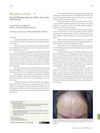
 Frontal fibrosing alopecia mostly affects postmenopausal women, with diagnosis often delayed by 3 years.
 October 2020 in “International Journal of Research in Dermatology”
 The review suggests more research is needed to understand Frontal fibrosing alopecia, a condition causing hairline recession in postmenopausal women.
Early diagnosis and treatment of frontal fibrosing alopecia are crucial to prevent permanent hair loss.
March 2025 in “European Journal of Medical Genetics” Tofacitinib helped improve symptoms and hair growth in a patient with Aicardi-Goutières syndrome.
 10 citations
,
June 2005 in “The journal of investigative dermatology/Journal of investigative dermatology”
10 citations
,
June 2005 in “The journal of investigative dermatology/Journal of investigative dermatology” FP-1 is a key protein in rat hair growth, active only during the growth phase.
November 2025 in “Clinical and Translational Medicine” DNAJB9 cfRNA could help diagnose and treat female hair loss.
9 citations
,
October 2017 in “Frontiers in plant science” The peach gene CTG134 helps control the interaction between auxin and ethylene, which could lead to new agricultural chemicals.
 115 citations
,
March 2019 in “Nature Communications”
115 citations
,
March 2019 in “Nature Communications” Frontal fibrosing alopecia is linked to four genetic areas, especially the HLA-B*07:02 allele.
 6 citations
,
February 2023 in “Journal of nanobiotechnology”
6 citations
,
February 2023 in “Journal of nanobiotechnology” The new anti-acne treatment HA-P5 effectively reduces acne by targeting two key receptors and avoids an enzyme that can hinder treatment.