 September 2023 in “Frontiers in medicine”
 The mTOR signaling pathway is crucial for hair health and targeting it may lead to new hair loss treatments.
 July 2023 in “The Egyptian Journal of Hospital Medicine ”
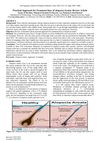
 The conclusion is that emotional support and a variety of treatments are important for alopecia areata, but more research is needed.
 January 2021 in “Journal of cosmetology & trichology”
 L-(+)-Tartaric Acid may help increase certain hair growth genes without harming cells.
 January 2020 in “Elsevier eBooks”
 Plant-based chemicals may help hair growth and prevent hair loss but need more research to compete with current treatments.
 September 2019 in “Romanian Journal of Pediatrics”
 Fetal skin can heal without scars, offering insights for better wound treatments.
 January 2019 in “Springer eBooks”
 Platelet-rich plasma therapy may have benefits and is generally safe, but more research is needed to confirm its effectiveness and safety.
Trichosol™ with Minoxidil can boost hair growth by 20%.
 September 2018 in “Journal of Investigative Dermatology”
 Non-white organ transplant patients have worse skin cancer outcomes due to later diagnosis and treatment.
 August 2018 in “Journal of Investigative Dermatology”
 Centrosomes are essential for healthy skin and hair growth, and their role is different from that of cilia.
 August 2018 in “Journal of Investigative Dermatology”
 A woman with dermatomyositis improved after treatment for neck panniculitis, suggesting similar treatment for related conditions.
 August 2018 in “Journal of Investigative Dermatology”
 Polyunsaturated fatty acids, like arachidonic acid and eicosapentaenoic acid, can promote hair growth and may help treat hair loss.
 August 2018 in “Journal of Investigative Dermatology”
 The conclusion is that using light-sheet fluorescence microscopy with a special solution can effectively create detailed 3D images of human skin for dermatological research.

New treatments for hair loss show promise, including plasma, stem cells, and hair-stimulating complexes, but more research is needed to fully understand them.
 January 2017 in “Springer eBooks”
 The document concludes that scalp health is influenced by complex factors affecting sebaceous glands, including hormones, aging, and various substances.

Skin stem cells are crucial for maintaining and repairing skin, with potential for treating skin disorders and improving wound healing.
 January 2016 in “Surgical and Cosmetic Dermatology”
 Platelet-rich plasma treatment improved hair growth in men with male pattern baldness.
 January 2016 in “Springer eBooks”
 New materials and methods could improve skin healing and reduce scarring.
Avicennia Marina extract and avicequinone C can reduce hair loss hormone production and increase hair growth factors, suggesting they could be used to treat androgenic alopecia.
 June 2015 in “Vestnik dermatologii i venerologii”
 Growth factors influence hair growth and hair loss.

Chrysanthemum zawadskii extract may help treat hair loss by promoting hair growth and affecting growth factors.
 December 2013 in “Research Portal (King's College London)”
 Hair loss in Lichen Planopilaris is caused by immune system issues damaging hair follicles and stem cells.
 March 2013 in “Revista Brasileira de Cirurgia Plástica”
 Using platelet growth factors can improve hair density in transplants, especially for those with fine hair.
Wound healing is complex and requires more research to enhance treatment methods.
 January 2012 in “Elsevier eBooks”
 New treatments for skin and hair repair show promise, but further improvements are needed.

Avicennia marina extract and avicequinone C can potentially promote hair growth and treat hair loss by interfering with hair loss mechanisms and boosting growth factors.
 July 2021 in “Medical journal, Armed Forces India”
 Using platelet-rich plasma in hair restoration surgery significantly improves hair density after 6 months and is safe to use.
January 2021 in “Journal of cosmetology & trichology” PRP therapy can be effective for early-stage common hair loss, with most patients seeing improvement, but there are inconsistencies in treatment methods.
 December 2020 in “Journal of Aesthetic Nursing”
 Injecting platelet-rich plasma into the scalp stimulates hair growth, increases hair density, and treats hair loss effectively with minimal side effects.
 October 2020 in “Journal of Aesthetic Nursing”
 Platelet-rich plasma (PRP) injections effectively treat hair loss and thinning in both men and women, with high satisfaction and no major side effects.
 March 2019 in “European archives of medical research”
 Platelet-rich plasma injections are a cheap and effective way to reduce hair loss and improve hair quality in people with mild to moderate androgenetic alopecia.