 June 2023 in “Historical records of Australian science/Historical Records of Australian Science”
 George Ernest Rogers was a notable scientist who made important discoveries about hair and wool proteins.
 466 citations
,
August 2004 in “Journal of the American Academy of Dermatology”
466 citations
,
August 2004 in “Journal of the American Academy of Dermatology” Rosacea is a skin condition with unclear causes, classified into four subtypes.
 89 citations
,
January 2013 in “Acta dermato-venereologica”
89 citations
,
January 2013 in “Acta dermato-venereologica” The document concludes that dandruff and seborrheic dermatitis are linked to inflammation and skin changes, and treating them with specific shampoos can reduce these issues.
 58 citations
,
December 2018 in “Nature Communications”
58 citations
,
December 2018 in “Nature Communications” Male pattern baldness is mostly inherited, involves many genes, and is linked to other traits like early puberty and strong bones.
52 citations
,
May 2006 in “Journal of Structural Biology” Keratin-associated proteins help link filaments and affect keratin's strength.
51 citations
,
October 2024 in “Pharmaceutics” Improving drug delivery through the skin requires understanding skin and using enhancers.
 40 citations
,
February 1990 in “Journal of The American Academy of Dermatology”
40 citations
,
February 1990 in “Journal of The American Academy of Dermatology” A 17-year-old developed woolly hair nevus in adolescence, which is unusual, and over time the hair darkened and straightened slightly, but microscopic changes persisted.
28 citations
,
January 2016 in “RSC Advances” A non-toxic formula using polycarboxylic acids strengthens and improves hair.
 22 citations
,
February 2013 in “Wound Repair and Regeneration”
22 citations
,
February 2013 in “Wound Repair and Regeneration” Mice genetically modified to produce more CD109 in their skin had less inflammation and better healing with less scarring.
 20 citations
,
May 2020 in “Experimental Dermatology”
20 citations
,
May 2020 in “Experimental Dermatology” Aging scalp skin contributes to hair aging and loss, and more research is needed to develop better hair loss treatments.
15 citations
,
January 2018 in “Advances in experimental medicine and biology” Keratin proteins are crucial for hair growth and structure.
 15 citations
,
July 2002 in “Clinical and Experimental Dermatology”
15 citations
,
July 2002 in “Clinical and Experimental Dermatology” Hair microscopy is useful for diagnosing certain hair loss conditions but has limitations and must be interpreted carefully.
 12 citations
,
February 2019 in “Skin research and technology”
12 citations
,
February 2019 in “Skin research and technology” White hair has less lipid content and absorbs water differently than brown hair.
 11 citations
,
September 1992 in “Journal of pineal research”
11 citations
,
September 1992 in “Journal of pineal research” Immunizing goats against melatonin can temporarily change their cashmere growth cycles and increase fleece production.
 10 citations
,
May 2018 in “Forensic Science International”
10 citations
,
May 2018 in “Forensic Science International” Shrunken heads retain some facial features and hair characteristics, allowing for limited individual identification.
 7 citations
,
January 2021 in “Evidence-based complementary and alternative medicine”
7 citations
,
January 2021 in “Evidence-based complementary and alternative medicine” Porphyra-334 may help reduce wrinkles and promote hair growth.
7 citations
,
January 2017 in “Sub-cellular biochemistry/Subcellular biochemistry”  7 citations
,
September 2014 in “European Journal of Dermatology”
7 citations
,
September 2014 in “European Journal of Dermatology” Thicker hair grows faster; hair loss patients have slower growth.
7 citations
,
January 1988  3 citations
,
August 2021 in “Veterinary World”
3 citations
,
August 2021 in “Veterinary World” PRP heals sheep skin wounds better than honey.
 2 citations
,
January 2000 in “Elsevier eBooks”
2 citations
,
January 2000 in “Elsevier eBooks” The document explains how hair is studied in forensics to identify its source and its role in criminal investigations.
 1 citations
,
January 2015 in “Journal of nutrition & health”
1 citations
,
January 2015 in “Journal of nutrition & health” Fish oil improves skin health in people with diabetes and high cholesterol.
 1 citations
,
April 2017 in “Journal of Investigative Dermatology”
1 citations
,
April 2017 in “Journal of Investigative Dermatology” A new one-step test can quickly identify skin cancer during surgery.
 July 2026 in “Organoid Research”
 A unified framework is needed to improve skin organoid construction for research and clinical use.
July 2025 in “International Journal of Cosmetic Science” A new 6-point scale reliably measures heat damage to hair from styling tools.
 August 2024 in “Biophysics Reviews”
 Mammal hairs have different internal structures.
 April 2023 in “Han'gug miyong haghoeji/Journal of the Korean society of cosmetology”
 Direct heat perms cause more damage to hair than softening heat perms.
 September 2019 in “Journal of Investigative Dermatology”
 The 3D-SeboSkin model effectively simulates Hidradenitis suppurativa and is useful for future research.
 April 2018 in “The journal of investigative dermatology/Journal of investigative dermatology”
 Skin heals with scars because only one type of fibroblast is used, not a mix.
 June 2017 in “University of the Arts London Research Online (University of the Arts London)”
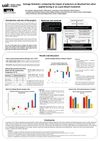
 Polymers help reduce damage and improve bleached hair when used during or after bleaching.